 About Us
 Why K12?
 Safety Needs
 How Students Succeed
 FAQs
FAQs Online Elementary School
 Online Middle School
 Career and College Prep
 Online High School
 Student Clubs
 Career and College Services
 Inside the Online Classroom
 A Day in the Life
 Social & Extracurricular
 Advice, Tips & Inspiration
 Benefits for Life
 Enroll
 All School Options
 Need More Help?
Making the Switch: A Parent’s Guide to Transitioning From Traditional to Online School
Learn how the process works, when to start, and what to expect, from enrollment to your child’s first weeks.
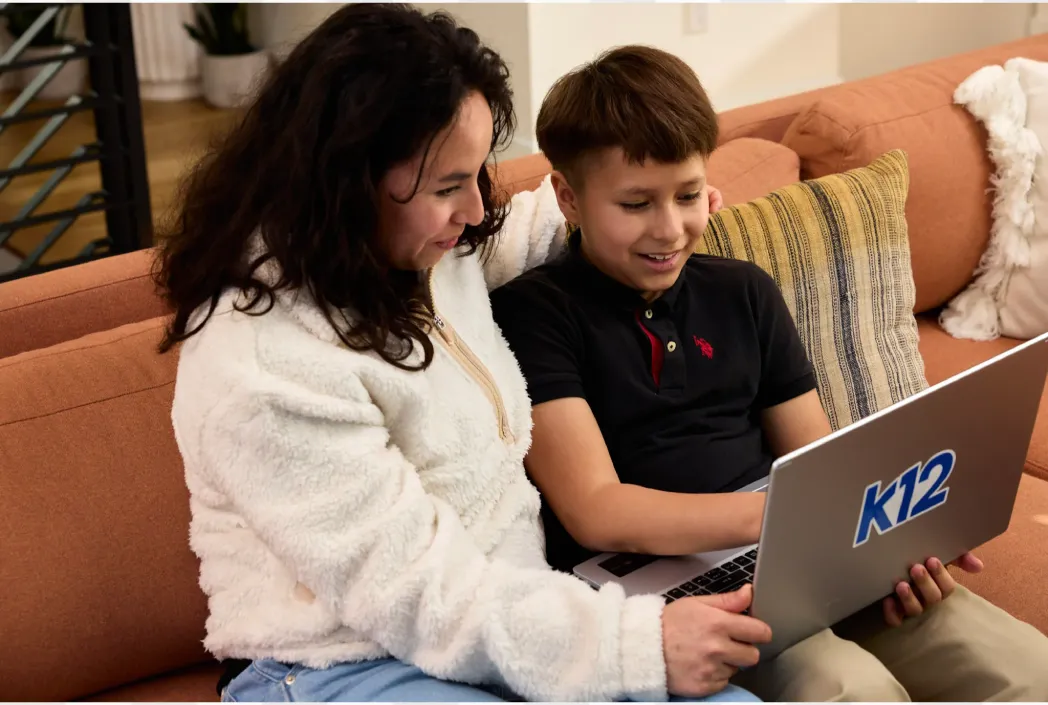
Table of Contents
Thinking about switching your child to online school? You’re not alone. Thousands of families make this transition each year for reasons ranging from flexible scheduling needs to academic challenges to safety concerns. The good news: with the right preparation, moving from traditional to online school can be smooth and successful.
This guide walks you through everything you need to know — from deciding if online learning is right for your family to navigating enrollment and setting up for success in those critical first weeks.
If you’re still deciding whether this is the right move, it can help to first understand when to switch to online school and what signs to look for.
Is online school right for your child?
Before making the switch, consider whether online learning matches your child’s needs and your family’s situation. Online school is best for students who can work independently for their age, stay focused on tasks without constant supervision, ask for help when they need it, and feel comfortable using technology.
That doesn’t mean your child needs to be perfect at these skills right now. Many students develop stronger independence and time management through online learning. The key is an honest assessment of where your child is today and your ability to support them.
Online learning often works well for families who:
- Need flexible scheduling for sports, arts, or medical appointments
- Travel frequently or live abroad
- Want more involvement in their child’s education
- Are addressing bullying or school safety concerns
- Have children who learn better at their own pace
- Need a quieter, less distracting learning environment
As a parent, you’ll become your child’s Learning Coach. Elementary students typically need 4 to 6 hours of daily support, while middle and high schoolers need 1 to 3 hours. You’ll check in daily, communicate with teachers, and help your child stay on track.
Still wondering if it’s time to make a change? Check out our article detailing 5 signs it might be time to switch to online school for more guidance on recognizing when a transition could benefit your family.
What are your online school options? (Public, Private, and Hybrid Explained)

There are three main types of online schools: public, private, and hybrid programs. Understanding your options helps you choose the right fit for your family.
Public Virtual Schools
Public online schools are tuition-free and fully accredited. They follow state standards and testing requirements just like traditional public schools. Approximately 35 states now offer these options. While tuition is free, families may need to cover costs such as printer paper, ink, and internet service. Many schools provide computers and materials.
Public schools typically have larger class sizes but often offer extensive extracurricular programs, clubs, field trips, competitions, and social events.
Private Online Schools
Private online schools charge tuition, typically ranging from less than $2,000 to $14,000 annually. They offer more curriculum flexibility and often feature smaller class sizes with more individualized attention. Many provide scholarships or discounts for military families and siblings.
Private schools may offer specialized programs, advanced courses, and project-based learning tailored to student interests. However, they may have fewer extracurricular options due to smaller student populations.
Hybrid Programs
Hybrid or blended learning combines in-person classroom time with online learning. This option works well for students who want to take courses not offered at their physical school or need to recover credits while maintaining some face-to-face interaction.
The right choice depends on your family’s financial situation, your child’s learning style, and the level of flexibility you need. Quality education exists in all three formats.
The Enrollment Process: What to Expect
Understanding the enrollment process helps you avoid delays and helps to ensure a smooth start. While specific requirements vary by school and state, most programs follow a similar timeline and set of steps.
How long does enrollment take?
Most families complete enrollment within a few weeks when preparing for a new school year. Timelines can vary depending on how quickly documents are submitted and reviewed but staying organized and responsive can help move the process along efficiently.
What documents will you need to gather?
- Proof of age (birth certificate, passport)
- Proof of residence (utility bill, lease agreement)
- Immunization records or exemption statements
- Academic records (report cards for K–9, transcripts for 10–12)
- IEP documentation if applicable
- Custody orders if relevant
The process typically takes several weeks when enrolling for a new school year. Some families complete midyear enrollments in as little as 3 days when working closely with school staff and having the required documents ready.
Enrollment steps include:
- Research schools and submit applications
- Provide required documentation
- Complete transcript review and placement assessment
- Ensure state compliance requirements are met
- Receive enrollment confirmation and platform access
- Attend orientation sessions
Many online schools offer rolling enrollment, allowing students to start even after the school year begins. Enrollment specialists are typically available to guide families through each step and answer questions along the way.
For a detailed timeline and what happens at each stage, check out The Online School Enrollment Process: A Step-by-Step Timeline.
Preparing for the Transition

Communicating With Your Current School
Once you’ve decided to switch, notify your current school about your plans. Complete the official withdrawal process and request essential records, including transcripts, test scores, and any IEP documentation. Follow your current school’s timeline carefully to avoid issues with the transition.
Ask specifically about how credits will transfer and whether any classes might need to be repeated. This conversation is especially important for high school students working toward graduation.
Setting Up Your Home Learning Environment
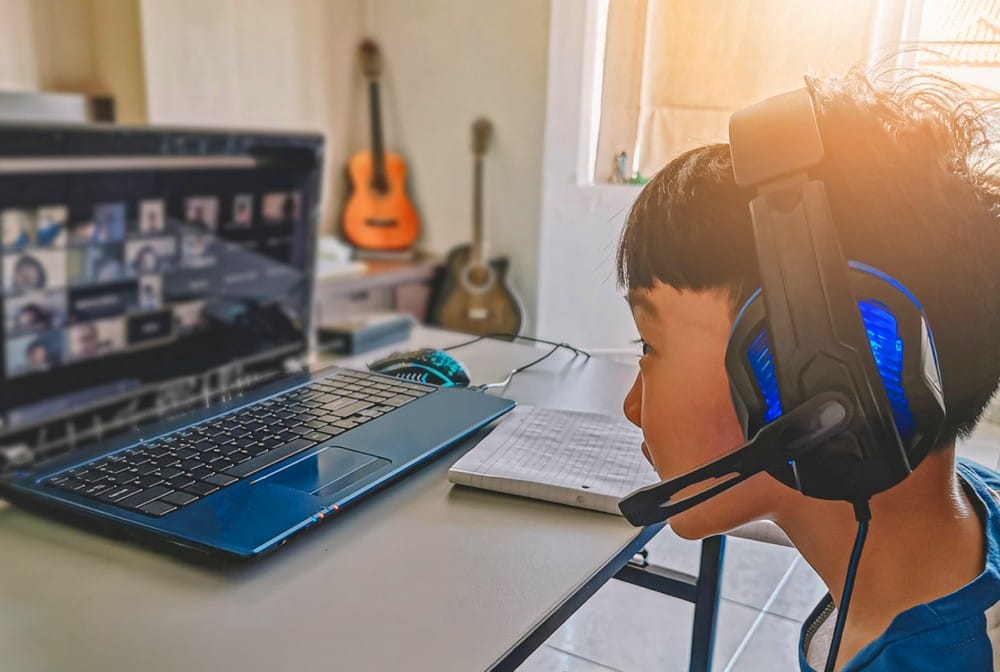
Your child needs a dedicated learning space — not necessarily a separate room, just a consistent spot with good lighting, comfortable seating, and organized supplies. Let your child help design this space so they feel ownership over their learning environment.
Your learning space should include:
- Reliable technology (computer, tablet, webcam, headphones)
- Strong internet connection
- Organized supplies and materials
- Minimal distractions
- Good lighting and comfortable seating
For a step-by-step walkthrough, see how to create a home learning space for online school success.
Preparing Your Child Emotionally
Emotional preparation helps children adjust faster and feel more confident during the transition. Talk openly with your child about why you’re considering online school and what benefits it might offer. Encourage them to share concerns, fears, and hopes about the change.
Address common worries directly. Many children fear missing friends and social interactions. Reassure them that online students connect through virtual clubs, field trips, competitions, and local meetups with other online school families.
Frame the transition as an opportunity — a chance to reset, rebuild confidence, and engage with school in a way that prioritizes their individual needs. Set realistic expectations that adjustment takes time and that it’s completely normal.
Special Considerations for Midyear Transfers
Switching schools midyear is more common than you might think. Many families make this change successfully, and it often provides immediate relief from negative situations.
Common reasons for midyear transfers include:
- Academic struggles in rigid classroom settings
- Bullying or negative peer situations
- Family relocation or schedule changes
- Health or medical needs
- Need for advanced or specialized programs
The most critical consideration for midyear transfers is understanding how credits will transfer. Every school handles this differently. Discuss transfer options with both your current guidance counselor and your new online school. Quality online schools review transcripts with each student and build personalized graduation plans.
Many online schools offer rolling enrollment or flexible start dates, making it easier to begin classes even after the school year has started. Some schools can complete enrollment in just a few days when families have documentation ready.
Midyear transfers often provide significant benefits: immediate relief from negative situations, the ability to address academic issues right away, and fresh starts that reset academic journeys and reenergize motivation.
For comprehensive information about timing, credit transfer, and making midyear transitions successful, read Can You Switch to Online School Midyear? Everything You Need to Know.
The First Month: Setting Your Family Up for Success
The first 30 days set the foundation for long-term success. Families who implement strategic approaches during this period help students adjust more smoothly.
Week 1: Establish foundations
- Set clear academic and personal goals
- Finalize your learning environment
- Attend all orientation sessions
- Explore the learning platform together
Week 2: Build routines
- Create structured but flexible daily schedules
- Establish strong study habits
- Learn to use school resources and support systems
- Practice regular communication with teachers
Weeks 3–4: Deepen engagement
- Address emotional and social adjustments
- Identify and address any learning gaps
- Encourage self-motivation and independence
- Connect with other online school families
Remember that starting something new takes time, patience, and determination. Don’t expect perfection right away. Most families go through trial and error to figure out what schedules and routines work best.
Stay in close communication with teachers — they’re patient, kind, and supportive, and they want to see your child succeed. Use parent portals to monitor progress and access resources. Join parent support groups to share experiences and strategies with other families.
To feel more confident about what comes next, explore what your child can expect in the first 30 days of online school.
Explore Your Online School Options
Making the switch to online school is a big decision, but you don’t have to figure it out alone. The next step is finding a program that fits your child’s needs and your family’s schedule.
Explore K12-powered online school programs available in your state and get started today.