 About Us
 Why K12?
 Safety Needs
 How Students Succeed
 FAQs
FAQs Online Elementary School
 Online Middle School
 Career and College Prep
 Online High School
 Student Clubs
 Career and College Services
 Inside the Online Classroom
 A Day in the Life
 Social & Extracurricular
 Advice, Tips & Inspiration
 Benefits for Life
 Enroll
 All School Options
 Need More Help?
The First 30 Days of Online School: What Parents Should Expect
Learn how students adjust, build routines, and gain confidence in the first month.

Table of Contents
Starting online school brings a mix of excitement and uncertainty. Whether you’re switching schools midyear or beginning a new academic journey, the first month is an adjustment period for the entire family. Understanding what to expect week by week helps you support your child through this transition with confidence.
The first 30 days of online school are typically focused on orientation, building routines, and helping your child adjust, not on academic perfection. Most students take 2 to 4 weeks to feel comfortable with the platform, schedule, and expectations.
The first 30 days aren’t about perfection. They’re about learning new systems, building routines, and finding what works for your family. Here’s your week-by-week guide to navigating this important transition.
Week 1: Orientation and Platform Familiarization
The first week focuses on getting comfortable with the technology and meeting teachers rather than diving into heavy academics. Your child will learn to navigate the learning platform, attend orientation sessions, and understand how to access daily lessons.
What happens during Week 1:
- Guided tours of online platforms and tools
- Meeting teachers through virtual sessions
- Learning communication channels for questions and assignments
- Initial assessments to personalize learning
Emotions vary by age. Elementary students often feel excited but may struggle with screen-based learning and home distractions. Middle schoolers experience relief from social pressures alongside anxiety about virtual connections. High school students typically show more independence but worry about college preparation and self-motivation.
Your role as a parent:
Expect to spend significant time during Week 1. Elementary students need 4 to 6 hours of daily support, middle schoolers need 2 to 3 hours, and high schoolers need 1 to 2 hours. Focus on establishing routines, setting up a dedicated learning space, and celebrating small wins, like successfully logging in or completing the first assignment.
Technical hiccups are normal. Keep login information organized, test equipment before each day, and know how to reach technical support. Most importantly, model patience when things don’t work perfectly.
Also, remember to set up a comfortable learning environment for your child in these early days. Creating a comfortable and effective home learning space should be one of your first steps in the beginning days of online school.
Week 2: First Live Classes and Assignment Submissions
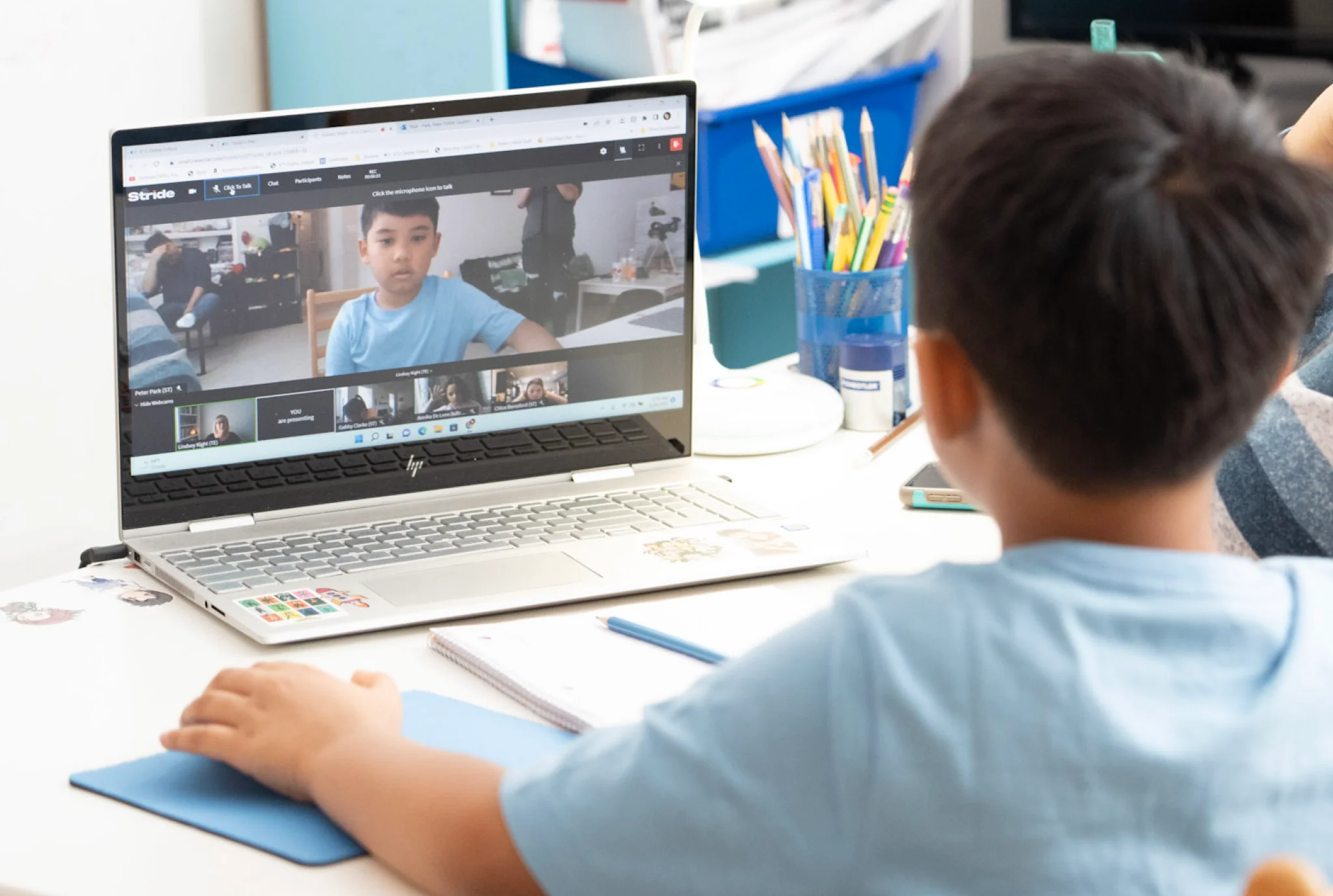
Week 2 marks the shift from orientation to actual learning. Your child will attend their first synchronous class sessions where teachers lead real-time instruction, discussions, and activities.
Virtual classroom basics:
Students should keep microphones muted unless speaking to prevent background noise. Camera policies vary by school, but participation matters more than being on screen. Arriving on time, using virtual hand-raising features, and staying engaged are key expectations.
Assignment submissions are made through the learning management system. Your child will learn to upload work, confirm submissions went through, and understand teacher feedback. Not every assignment receives detailed comments — teachers provide targeted feedback on key work to avoid overwhelming students.
Common technical issues and quick fixes:
- Connectivity problems: Restart the router, move closer to Wi-Fi, or close background applications
- Audio/video issues: Check platform settings and system permissions
- Login troubles: Verify credentials and clear browser cache
Encourage your child to troubleshoot basic problems independently before asking for help. Contact teachers when issues persist after trying fixes, when assignment expectations remain unclear after reviewing materials, or when personal circumstances affect participation.
Week 3: Establishing Routines and Identifying Challenges
By Week 3, daily patterns start to emerge. This is when families discover what works and what needs adjustment. Successful routines include clear start and stop times, designated learning spaces, and regular breaks.
Customize schedules to your child’s peak learning times. Some students focus best in the morning, while others need time to wake up fully. The key is consistency — following the same routine helps children feel secure and builds productive habits.
Social connections take time:
Many online schools offer virtual clubs, gaming groups, and interest-based activities that allow students to connect with peers. Encourage your child to join at least one activity that interests them. Online friendships develop through repeated interactions in live classes, group projects, and school-sponsored social events.
Normal struggles versus red flags:
Normal adjustment includes initial quietness, minor academic dips, and difficulty making friends in the first 2 to 3 months. These challenges should gradually improve. Red flags include no improvement after 4 months, complete social isolation, severe academic decline, persistent sadness, or physical symptoms with no medical cause.
Parents often feel overwhelmed during Week 3 as the reality of long-term commitment sets in. Anxiety about whether you’re doing enough is common. Understanding how families successfully transition to online school step by step can help normalize the experience. Remember that you’re a learning coach, not a teacher — certified teachers provide instruction while you facilitate the learning environment.
Week 4: Adjusting and Finding Your Rhythm

At the one-month mark, you should see signs your child is finding their groove. They’re developing independence with technology, completing assignments with less prompting, and talking about classmates by name. They may still need support, but they’re taking more ownership of their learning.
Challenges that remain are normal:
Many students still struggle to manage multiple platforms, build deep friendships, and maintain attention during screen time. These challenges don’t mean online school isn’t working — adjustment takes longer than 4 weeks. Building new habits typically takes 21–66 days, depending on their complexity.
Celebrate progress:
Small wins matter. Acknowledge effort, not just outcomes. “I noticed you figured out that technical problem yourself — great problem-solving!” means more than generic praise. Create visible records of progress through charts, journals, or family “proud moment” jars.
What comes next:
Beyond the first month, expect continued refinement rather than dramatic transformation. Social connections will deepen, and your child will shift more attention to content as technical aspects become easier. New challenges will emerge as academic content becomes more complex — this is normal growth, not failure.
Adjust when you see persistent mood changes, consistent academic decline despite effort, or complete withdrawal from sessions. Stay the course when your child is still engaging, making gradual progress, and working through typical adjustment challenges.
Trust the Process and Give It Time
The first 30 days of online school are a period of adjustment, not perfection. What matters most is that your child is showing up, learning new systems, and beginning to find their rhythm.
Still reflecting on your decision? It may help to revisit why families choose to switch to online school. With time, consistency, and support, most students adjust beautifully to online school and begin to thrive.
Remember, at K12, you are never alone. Reach out to our Learning Coach community to find valuable resources, support, and build lasting relationships.