 About Us
 Why K12?
 Safety Needs
 How Students Succeed
 FAQs
FAQs Online Elementary School
 Online Middle School
 Career and College Prep
 Online High School
 Student Clubs
 Career and College Services
 Inside the Online Classroom
 A Day in the Life
 Social & Extracurricular
 Advice, Tips & Inspiration
 Benefits for Life
 Enroll
 All School Options
 Need More Help?
Do Online Students Work on Group Projects? How Collaboration Works Online
Do online students work on group projects? Yes. Students collaborate using digital tools, video calls, and shared workspaces to build teamwork skills.
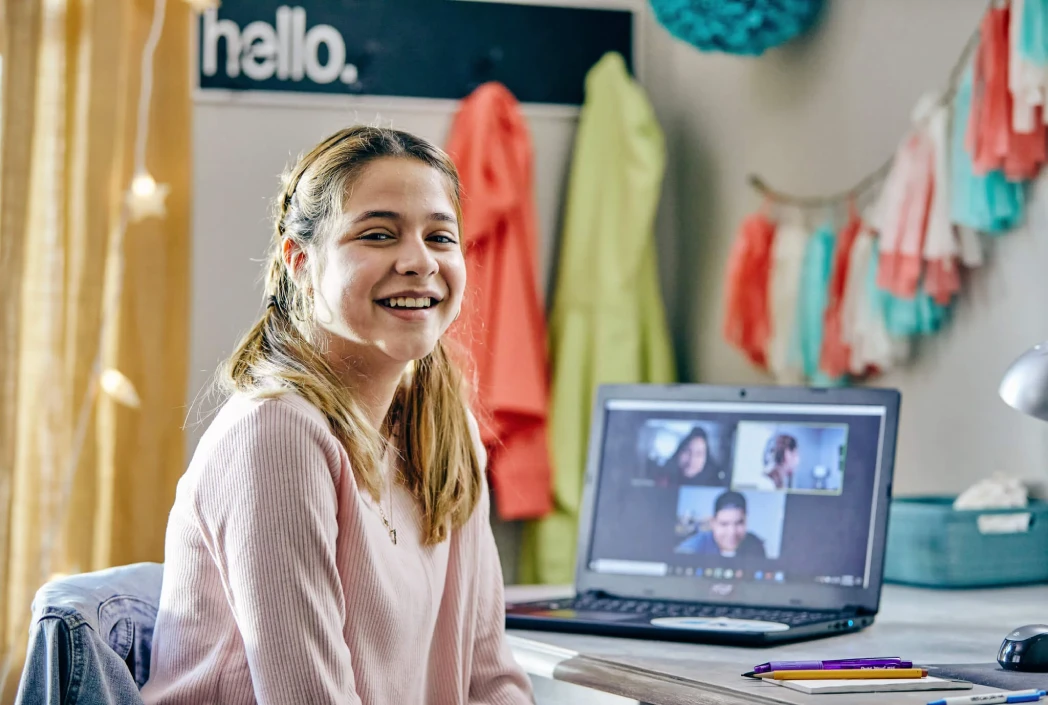
Table of Contents
Do online students work on group projects? Yes. Online students regularly collaborate on group projects using video calls, shared documents, and digital tools that allow them to work together in real time. In addition to collaboration, many online programs also personalize how students learn based on their individual strengths.
Online learning doesn’t mean working alone. Students participate in team activities that mirror traditional classrooms while also building digital collaboration skills they’ll use in the future.
Types of Group Work in Online School
Online schools offer a variety of group activities designed to help students collaborate, communicate, and solve problems together in a digital environment.
Common team activities include:
- Virtual group projects: Students work together on presentations, reports, or creative assignments using shared online tools
- Live collaboration sessions: Small groups meet through video calls to brainstorm, solve problems, and complete tasks in real time
- Discussion boards: Students share ideas, ask questions, and respond to classmates asynchronously
- Peer review: Classmates give structured feedback on each other’s work before final submission
- Collaborative presentations: Teams create and present projects together
Research shows that collaborative learning helps students develop communication, critical thinking, and problem-solving skills while working toward shared goals.
Digital Tools that Support Online Collaboration
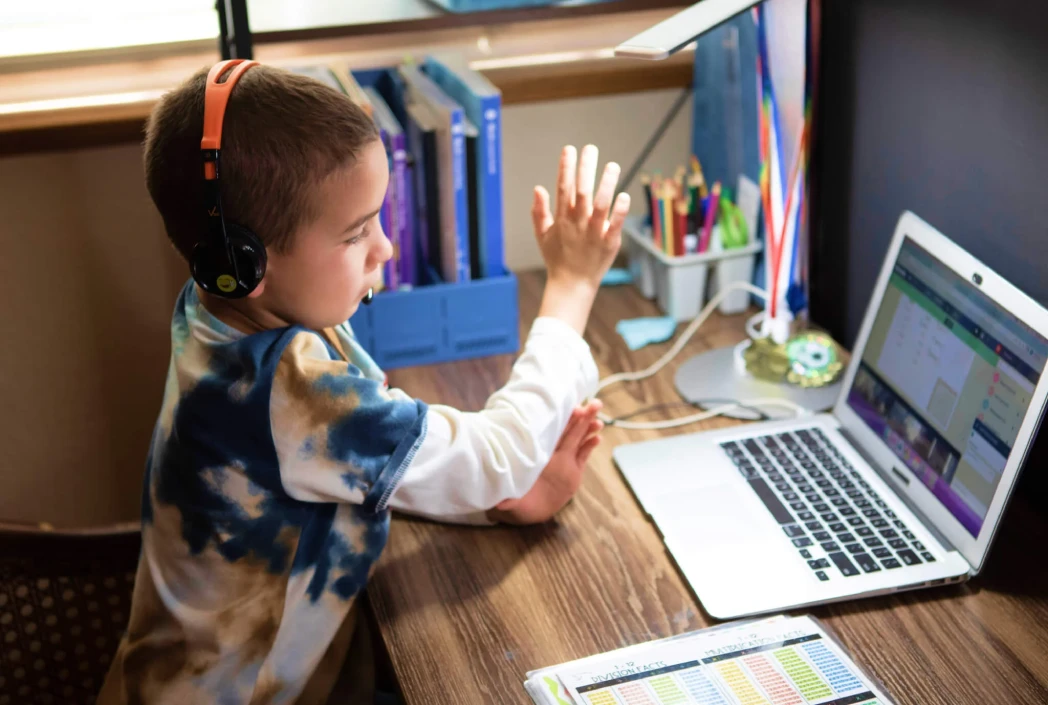
Online schools use digital tools that make teamwork possible even when students are not in the same location.
Students collaborate using:
- Shared documents: Students can work on the same file simultaneously and see updates in real time
- Video conferencing: Small groups meet live to discuss ideas and collaborate
- Digital whiteboards: Students organize ideas visually and brainstorm together
- Project management tools: Teams assign tasks, track progress, and stay organized
These tools enable real-time teamwork. Students can work on different parts of a project at the same time, leave comments for each other, and see exactly who’s working on what. Everything saves automatically to the cloud, so no one loses their work.
How Online Group Work Builds Important Skills
Online group work helps students develop essential skills they’ll use in school and future careers.
Communication: Expressing ideas clearly through digital platforms
Digital citizenship: Interacting respectfully and responsibly online
Problem-solving: Working through challenges and resolving differences
Accountability: Managing responsibilities and contributing to team success
These skills connect directly to modern workplaces. Most jobs require employees to collaborate using the same digital tools students practice with in online school. Virtual teamwork prepares students for remote work environments and teaches them to work effectively with people from different backgrounds and locations.
Your Child Can Thrive in Collaborative Online Learning
Group projects help students build communication, problem-solving, and teamwork skills that prepare them for school, college, and future careers.
Online students don’t learn in isolation. Through structured group activities and digital collaboration tools, they connect with classmates and develop effective skills in a supportive environment.
Still worried about a lack of social opportunities? Explore how online students connect, collaborate, and build meaningful relationships.
Questions Parents Ask About Group Work in Online School
How do students collaborate on group projects online?
Students collaborate using shared documents, video calls, and structured group assignments that allow them to work together in real time or on flexible schedules.
Do online students work together in real time?
Yes. Many online programs include live sessions, breakout groups, and collaborative activities where students work together at the same time.
Do younger students do group work too?
Yes. Group activities are age-appropriate. Younger students may work in pairs or small groups, while older students complete more complex team projects.