
 About Us
 Why K12?
 Safety Needs
 How Students Succeed
 FAQs
 Online Elementary School
 Online Middle School
 Career and College Prep
 Online High School
 Student Clubs
 Career and College Services

 Inside the Online Classroom
 A Day in the Life
 Social & Extracurricular
 Advice, Tips & Inspiration
 Benefits for Life

 Enroll
 All School Options
 Need More Help?
How to Improve Reading Comprehension for Kids
Learn how to improve reading comprehension for kids with parent-friendly strategies that help children understand, remember and engage what they read.
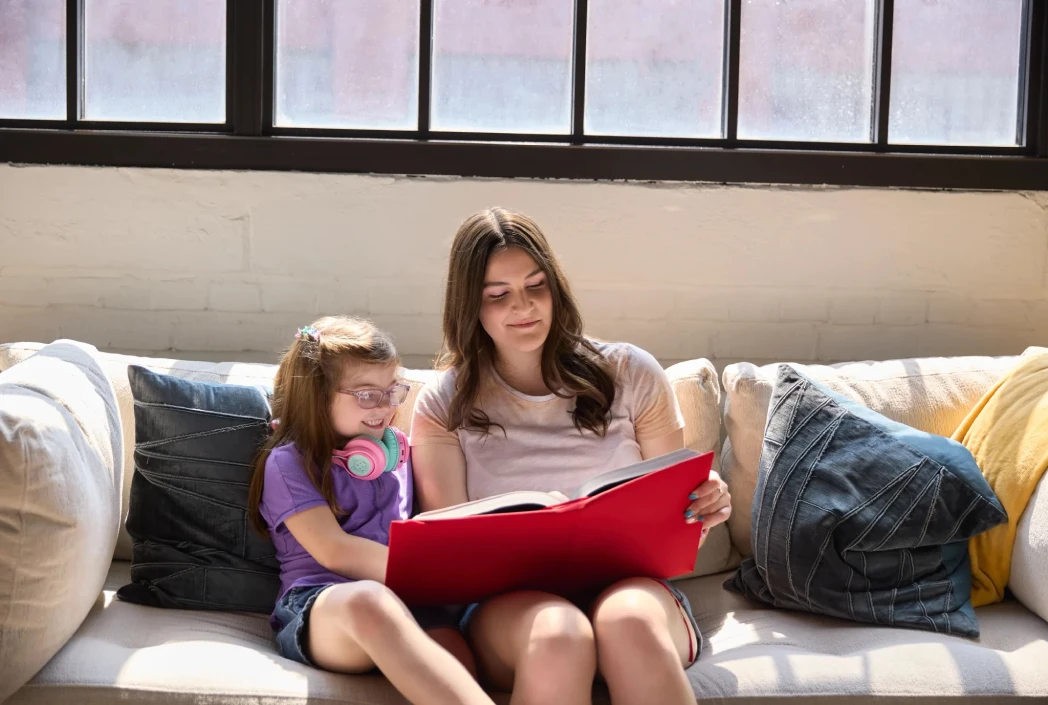
Table of Contents
Improving reading comprehension for kids starts with helping them become active readers. Parents can encourage children to pause and think about what they are reading, talk about characters and ideas, make connections, and explain their thoughts. These strategies can make reading more engaging while helping children develop stronger comprehension skills.
Reading comprehension means understanding, interpreting, and remembering information from a text. It involves more than reading words aloud; it requires children to think about what they read and make meaning from it. Strong reading comprehension skills can support academic success and help children become more confident, capable readers.
Preparation Before Reading
Starting a book without preparation is like jumping into a movie halfway through. Your child needs context to understand what they’re about to read.
Before opening a new book, spend a few minutes previewing it together. Look at the cover and discuss what you see. Read the title aloud and ask what your child thinks the book might be about. Flip through the pages and examine the illustrations without reading the words yet.
This simple picture walk activates your child’s brain and builds anticipation. When they start reading, they already have a mental framework for understanding the story.
Connect reading to personal experiences:
- Ask if the topic reminds them of anything they’ve experienced
- Discuss similar situations they’ve encountered
- Share your own related memories to model the thinking process
For younger children aged 6–8, keep previews short and focus on concrete details like characters and settings. Older children aged 9–13 can handle more complex discussions about themes and predictions.
Choose books that match your child’s reading level and genuinely interest them. When children read about topics they care about at an appropriate difficulty level, they naturally engage more deeply with the text.
How to Stay Engaged While Reading
Active readers don’t just move their eyes across the page. They ask questions, create mental images, and pause to think about what they’re reading.
Ask open-ended questions. Instead of simple yes-or-no quizzes, ask your child what they predict will happen next or why a character acted a certain way. These questions help your child focus on key details and think critically about the story.
Try questions like these:
- Who is the main character spending time with?
- What problem is the character trying to solve?
- Why do you think the character made that choice?
- How did the character feel when that happened?
- What do you think will happen next?
Read in chunks and summarize. Stop at the end of each page or chapter and ask your child to explain what just happened in their own words. This ensures they understand as they go, rather than waiting until the end to check comprehension.
For younger children, use simple frameworks like “beginning, middle, end” or the five-finger retell method where they identify characters, setting, problem, events, and solution. Older children can practice identifying main ideas versus less important details.
Build mental images. Pause while reading together to describe the “mind movies” you picture, such as hearing the thunder or seeing a character in the rain. This shows them how to visualize the text.
Tell your child to make a movie in their mind while reading. After reading a descriptive passage, ask them to close their eyes and picture the scene. What colors do they see? What sounds would they hear?
Share your own mental images first to model the process. “When I read that part, I pictured a dark forest with twisted trees and fog rolling along the ground.” This shows there’s no single right way to visualize.
How to Build Vocabulary and Word Recognition
When your child encounters too many unfamiliar words, comprehension breaks down. Building vocabulary directly improves kids’ reading comprehension.
Expand vocabulary as you read. Talk about unfamiliar words as you encounter them so gaps in vocabulary don’t block their understanding of the story. When your child hits an unknown word, don’t define it immediately. Instead, model how to use surrounding words as clues.
“Hmm, it says the character waded through water. Wading must be a way of moving through water, maybe walking through it?” This detective approach helps your child figure out words independently instead of stopping to ask every time.
Make vocabulary fun with simple activities:
- Create a word journal where your child draws pictures of new words
- Play the “word of the day” game where the family uses a new word throughout the day
- Use richer language in everyday conversations
- Play word games like rhyming or category challenges during car rides
Choose age-appropriate tools. Younger children aged 6–8 benefit from picture dictionaries with colorful illustrations. Older children aged 9–13 can use elementary dictionaries with more detailed definitions but still kid-friendly language.
The key is making vocabulary development feel natural, not like homework. When you use descriptive words during daily activities and celebrate interesting words you discover together, your child learns that vocabulary matters beyond school.
What to Focus on After Reading
What happens after reading matters just as much as what happens during reading. Post-reading discussions help your child process and remember what they read.
Ask open-ended questions. Instead of questions with one-word answers, invite your child to explain their thinking. Try questions like “What was your favorite part and why?” or “How would you feel if that happened to you?”
Give your child time to think before answering. Real thinking takes a few seconds. Follow up with “Tell me more about that” or “What makes you think that?” to encourage deeper responses.
Discuss main ideas together. For younger children, keep it simple: “What was this story mostly about?” For older children, explore themes: “What lesson do you think the author wanted us to learn?”
Connect story themes to real life. “The character learned that honesty matters even when it’s hard. Have you ever been in a situation like that?”
Try creative extensions that make reading memorable:
- Have your child draw their favorite scene or create a new book cover
- Act out an important part of the story together
- Ask “What if the story ended differently? How would you change it?”
- Create a simple comic strip retelling the story
- Interview your child as if they’re a character from the book
The secret is keeping activities short and optional. Ten minutes of enthusiastic discussion beats twenty minutes of dragged-out questioning. If your child isn’t in the mood, just enjoy the story together without any follow-up.
Supporting Your Child’s Reading Journey
Improving kids’ reading comprehension doesn’t happen overnight. It develops gradually through hundreds of positive reading experiences together. Be patient with the process. Some days your child will be more engaged than others, and that’s completely normal. What matters most is consistency and keeping reading enjoyable.
As you consider ways to support your child’s learning, explore how personalized education programs can complement your efforts at home. K12-powered schools offer flexible learning options designed around each student’s needs.