 About Us
 Why K12?
 Safety Needs
 How Students Succeed
 FAQs
FAQs Online Elementary School
 Online Middle School
 Career and College Prep
 Online High School
 Student Clubs
 Career and College Services
 Inside the Online Classroom
 A Day in the Life
 Social & Extracurricular
 Advice, Tips & Inspiration
 Benefits for Life
 Enroll
 All School Options
 Need More Help?
Back-to-School Checklist for Parents
Get organized with our comprehensive back-to-school checklist. Grade-specific supplies, health prep, and tips to start the school year right.

Table of Contents
Getting ready for a new school year can feel overwhelming. Between shopping for supplies, scheduling health appointments, and preparing your child emotionally, it’s easy to miss important details. A back-to-school checklist helps you stay organized and ensures your student starts the year confident and prepared.
This guide covers everything you need — from grade-specific supplies to health requirements and emotional readiness strategies. Whether your child is starting kindergarten or entering high school, you’ll find practical steps to make this transition smooth and stress-free.
Back-to-School Supply Checklist by Grade Level
Supply needs change significantly as students progress through school. What works for a kindergartener won’t meet the demands of a high schooler. Understanding these differences helps you avoid buying items your child won’t use while ensuring they have everything their teachers expect.
Elementary School Supplies Checklist
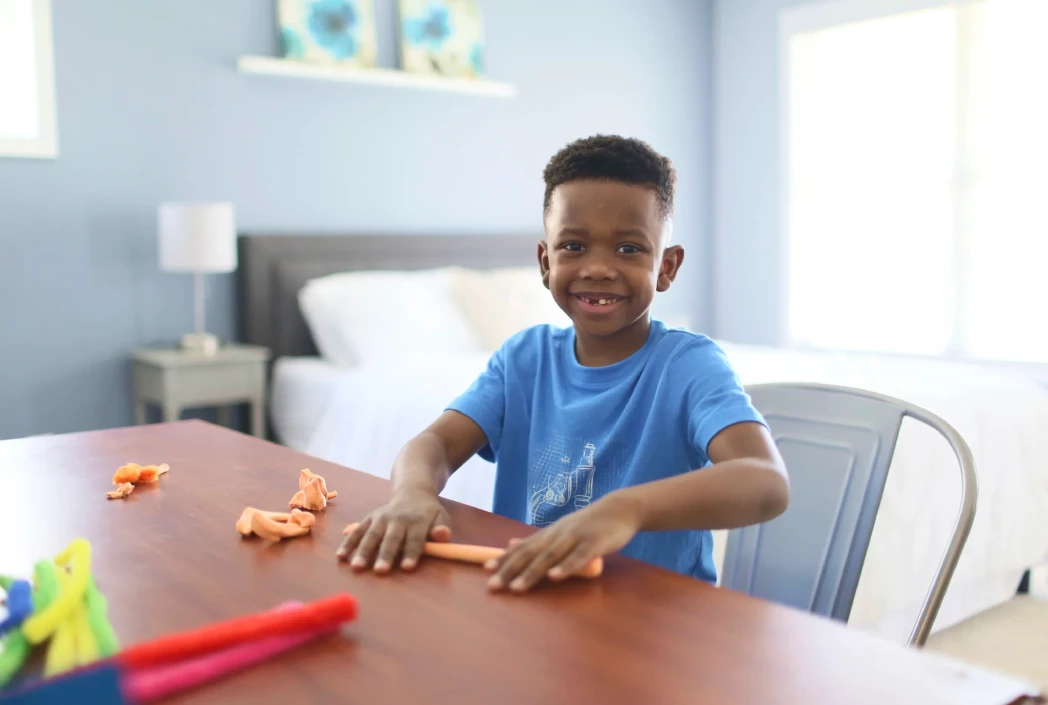
Elementary students need age-appropriate supplies that support developing skills. For younger children, focus on safety features and proper sizing that accommodate small hands that are still developing fine motor control.
Kindergarten Through 2nd Grade:
- Jumbo pencils for easier grip and developing motor skills
- Blunt-tipped scissors for safe cutting practice
- Washable markers and crayons in basic color sets
- Wide-ruled notebooks with larger writing spaces
- Plastic folders with pockets for papers
- Small backpack that fits comfortably on little shoulders
- Lunch box with easy-open compartments
- Glue sticks instead of liquid glue
As students move into upper elementary grades, supplies become more sophisticated to match their growing independence and academic demands. These tools help students develop organizational skills they’ll need in middle school.
3rd Through 5th Grade:
- Standard No. 2 pencils and a pencil sharpener
- Personal planner to track assignments and build responsibility
- Three-ring binders with subject dividers
- Basic calculator for math practice
- Highlighters for marking important information
- Book covers to protect textbooks
- Colored pens for color-coding notes
- Index cards for studying vocabulary and facts
Check with your child’s teacher before school starts, as many elementary classrooms have specific supply lists with preferred brands or quantities. Some teachers pool supplies for the whole class, while others ask students to keep individual supplies.
Middle School Supplies Checklist
Middle school brings multiple teachers and changing classes throughout the day, making organization absolutely critical. Students need systems that help them keep track of different subjects, assignments, and materials as they navigate a more complex schedule.
Core Supplies:
- Detailed planner for tracking assignments across subjects
- 2-inch three-ring binders for each major subject
- Scientific calculator for math and science courses
- Loose-leaf paper or subject-specific notebooks
- Blue and black pens plus mechanical pencils
- Sturdy backpack with multiple compartments and padded straps
Organization Tools:
- Subject dividers with tabs for quick reference
- Highlighters in multiple colors for different subjects
- Three-hole punch for loose papers
- Labels for marking binders and folders
- Pencil pouch to keep supplies portable between classes
- Locker organizer with shelves or magnetic bins
- Headphones for computer work and testing
Many middle schools now provide laptops or tablets, but students typically need their own headphones. Over-ear headphones work better than earbuds for extended use during the school day. Before purchasing expensive organizational tools, wait to see what locker size and configuration your child receives.
High School Supplies Checklist
High school supplies support college-preparatory work and advanced coursework. The most significant investment is technology, as most high schools now require or strongly recommend personal devices for research, papers, and online learning platforms.

Technology Essentials:
- Graphing calculator (typically TI-84 Plus CE) for algebra through calculus
- Laptop or tablet for research, papers, and online platforms
- USB flash drive for backing up important files
- Quality headphones with microphone for virtual meetings
Academic Supplies:
- Subject-specific notebooks or binders with dividers
- Graph paper for math and science
- AP® review books for advanced courses
- College planning materials starting in junior year
- Presentation materials like poster boards and markers
- Professional portfolio or folder for important documents
A detailed planner remains essential for managing increased academic demands, extracurricular activities, and college application deadlines. Digital planners work well for tech-savvy students, but many still prefer paper planners for better retention and less screen time.
Health and Safety Preparation
Health readiness ensures your child can fully participate in school activities and stay safe throughout the year. Start with appointments and paperwork—these are commonly overlooked in the chaos of getting ready for school but should be on your radar early to avoid last-minute scrambling.
- Required Health Documents:
- Immunization records: Contact your school district for state-specific forms.
- Physical examinations: Typically required at kindergarten entry and at specific grade transitions, such as 6th and 11th grade.
- Sports physicals: A separate requirement for student-athletes, usually valid for 1 year.
- Vision and hearing screenings: Often provided by schools but may need documentation from your doctor.
Schedule immunizations at least a month before school starts to allow time for processing paperwork and for any potential side effects to resolve. Book summer appointments early, as pediatricians and family doctors get extremely busy in August.
- Medication Management:
- Medication authorization forms: Required for students who need to carry emergency medications like inhalers or EpiPens
- Action plans: Submit Asthma Action Plans or Anaphylaxis Action Plans detailing symptoms and emergency procedures
- Backup medications: Keep extra doses at the school nurse’s office
- Emergency contacts: Update contact information with multiple phone numbers and at least two emergency contacts beyond parents
If your child needs to carry emergency medications, obtain authorization forms from your school office. These require signatures from both parents and physicians, so start the process early to avoid delays.
- Home Routine:
- Adjust sleep schedules: Start one to two weeks before school begins, shifting bedtimes earlier by 10 to 15 minutes each day
- Schedule dental cleanings: Complete before school starts to avoid missing class time
- Stock first-day essentials: Band-aids, pain reliever, and any daily vitamins or supplements
Sleep is critical for learning and emotional regulation. School-age children need 9 to 12 hours of sleep, while teenagers need 8 to 10 hours for optimal focus and academic performance. Starting the adjustment early prevents the shock of suddenly waking up much earlier on the first day of school.
Emotional Readiness and Transition Support
Emotional preparation is just as important as physical readiness. Many children experience back-to-school anxiety, which can manifest as stomachaches, difficulty sleeping, clinginess, or excessive worry about new teachers and classmates. Addressing these feelings proactively helps students start the year with confidence rather than dread.
Talk Openly About Feelings:
- Listen without fixing: Validate their feelings by saying, “I know that’s hard,” while expressing confidence that they can handle the situation
- Ask specific questions: What are you looking forward to? What worries you? What was your favorite part of last year?
- Reflect on growth: Discuss when they felt proud of themselves and what they learned from challenges
- Normalize the experience: Share your own back-to-school memories and feelings
Avoid immediately trying to solve every concern your child expresses. Sometimes they just need to be heard and validated. Reflect on the previous school year together, asking what felt challenging and when they felt capable. This helps children recognize their own growth and resilience.
Build Confidence Through Preparation:
- Visit the school: Locate classrooms, bathrooms, and the cafeteria before the first day
- Practice routines: Run through the morning routine, including getting ready and leaving on time
- Reconnect with classmates: Arrange playdates to rebuild friendships before school starts
- Role-play scenarios: Practice introducing themselves, asking for help, or handling common situations
- Read together: Choose books about starting school to normalize the experience
- Practice combination locks: Essential for middle and high school students with lockers
- For students transitioning to middle or high school, address practical concerns about finding lockers, managing multiple teachers, and navigating larger buildings. Create a color-coded system to organize materials by subject, which reduces cognitive load during an already stressful transition.
Organization Systems for School Success
Strong organizational systems reduce stress and help students stay on top of schoolwork. Without good systems in place, even capable students can struggle with lost papers, forgotten assignments, and last-minute panic. Setting up these systems before school starts gives your child a significant advantage.
Create an Effective Homework Station:
- Dedicated workspace: A desk or table used only for schoolwork
- Good lighting: Desk lamp or natural light to reduce eye strain
- Organized storage: Bins, drawers, or shelves for supplies within arm’s reach
- Minimal distractions: Away from screens and high-traffic areas
- Comfortable seating: Chair at proper height for desk
The homework station doesn’t need to be elaborate or expensive. What matters most is consistency — using the same space every day builds a mental association between that location and focused work.
Establish Consistent Routines:
- Evening routine: Review next day’s schedule, pack backpack, lay out clothes, complete remaining homework
- Morning routine: Wake at the same time daily, follow visual checklist, avoid screens that cause delays
- Weekly planning: Sunday sessions to review upcoming assignments and identify busy days
- Backpack cleanout: Friday afternoon removal of unnecessary papers and trash
Morning and evening routines eliminate decision fatigue and ensure students arrive prepared. Practice these routines for a week before school starts so they become automatic rather than stressful.
Use Planners Effectively:
- Record everything: All assignments and due dates in one centralized system
- Break down projects: Divide large assignments into smaller milestones with their own deadlines
- Color-code subjects: Assign each subject its own color across folders, binders, and notebooks
- Check daily: Review planner each morning and evening
Students should record all assignments and due dates in a single centralized system — whether a physical planner or a digital calendar. Conduct weekly planning sessions every Sunday to review upcoming assignments, identify busy days, and schedule study time for exams.
Organize Physical Spaces:
- Strategic packing: Larger textbooks in main section, frequently accessed items in front pockets
- Locker shelves: Maximize vertical space with stackable bins
- Eye-level placement: Keep frequently used items where they’re easiest to grab
- Weekly maintenance: Remove old papers and reorganize materials
Consider setting up a family command center in a high-traffic area with a large calendar showing everyone’s activities, a message board for reminders, and a drop zone with hooks for backpacks. This keeps the entire family organized and informed about schedules and commitments.
Start the School Year With Confidence
A successful school year starts with thorough preparation across supplies, health, emotions, and organization. By following this comprehensive checklist, you ensure your child has everything they need to thrive academically and socially.
Remember that preparation is an ongoing process. Check in regularly with your child about how things are going, adjust organizational systems as needed, and celebrate both effort and progress throughout the year.
When choosing the right school environment for your child, consider how different learning settings can support their individual needs. Every student deserves an education that matches their unique learning style and helps them reach their full potential. Look into K12-powered online schools to see if a flexible, personalized learning path could be the right fit for your family.