

 About Us
 Why K12?
 Safety Needs
 How Students Succeed
 FAQs
FAQs Online Elementary School
 Online Middle School
 Career and College Prep
 Online High School
 Student Clubs
 Career and College Services
 Inside the Online Classroom
 A Day in the Life
 Social & Extracurricular
 Advice, Tips & Inspiration
 Benefits for Life
 Enroll
 All School Options
 Need More Help?
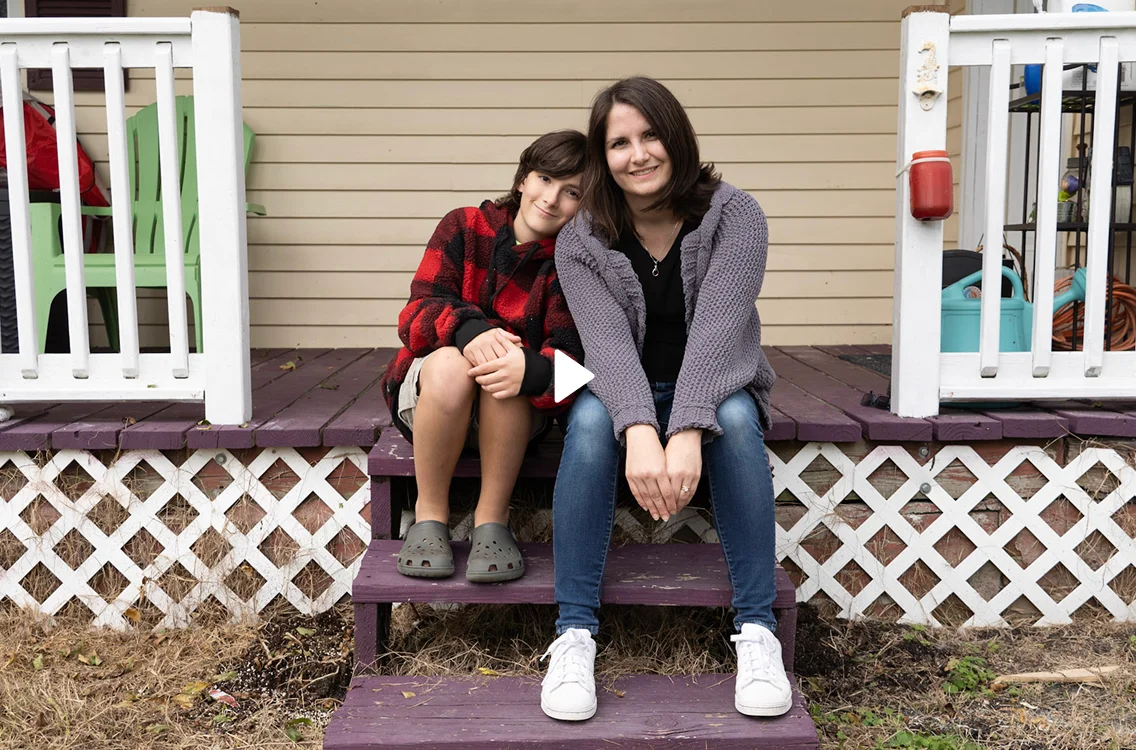
Meet Connor
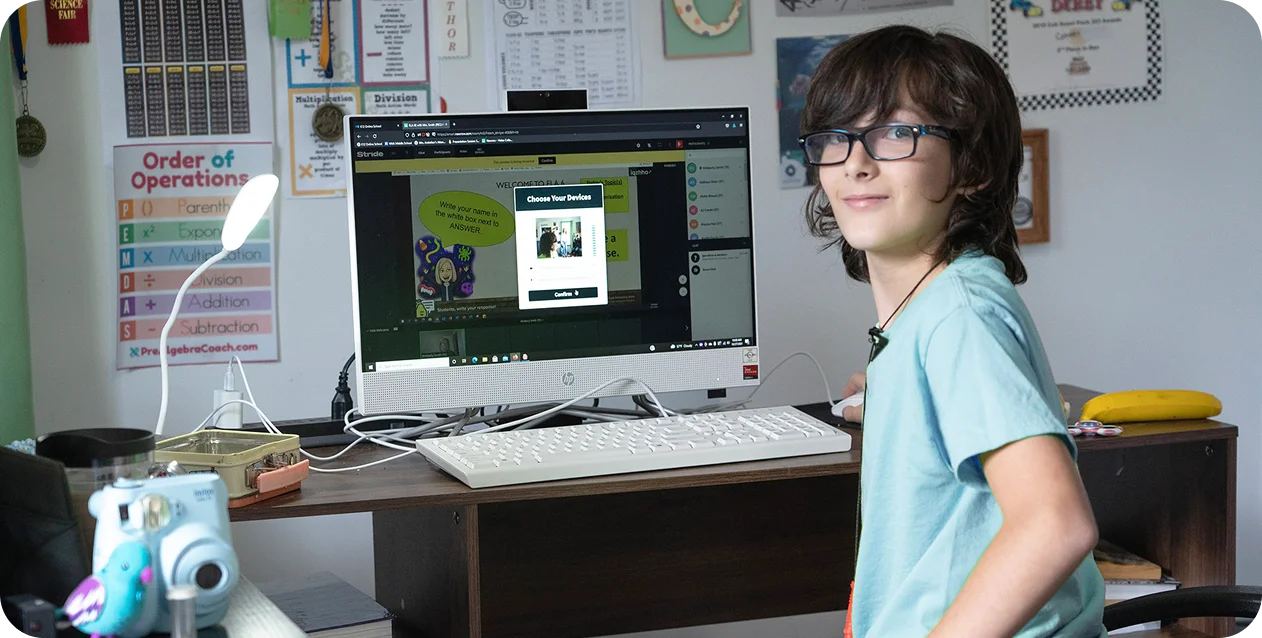
Connor succeeds in a hands-on learning environment that allows him to take breaks, move around, focus with help from his fidgets, and still complete assignments on time.
Why This Family Chose K12
An energetic, involved learner, Connor needs extra support to focus and wasn’t thriving in a traditional school environment. His parents, Heather and Matt, wanted him to enjoy learning and get the most out of it—instead of feeling like he just had to get through it.

Learn in a flexible environment
The rigid structure of traditional school left Connor unmotivated and unfocused. Now, working at his own pace within a flexible schedule, he’s engaged and enthusiastic about learning.

Get support for individual needs
Connor learns best with frequent breaks to move and dance. Online school lets him stand and stretch freely, use his fidgets to help focus, and embrace his own learning style.

Benefit from a new approach
School doesn’t have to be confined to long hours at a desk. Connor benefits from online school’s hands-on activities and built-in free time—and his parents finally see their son feeling confident as a learner.
Flexible Schedule With Live Class Anchors
Schoolwork for Connor is a mix of scheduled, live classes, self-guided offline assignments, and activities that can be done at his own pace. If he gets stuck, his parents are there to help. He can also ask his teachers questions in class, via email, or during weekly office hours.
A benefit of schools powered by K12 is that the required educational materials are provided, such as a computer, textbooks, supplies for offline activities, and more!

Curriculum
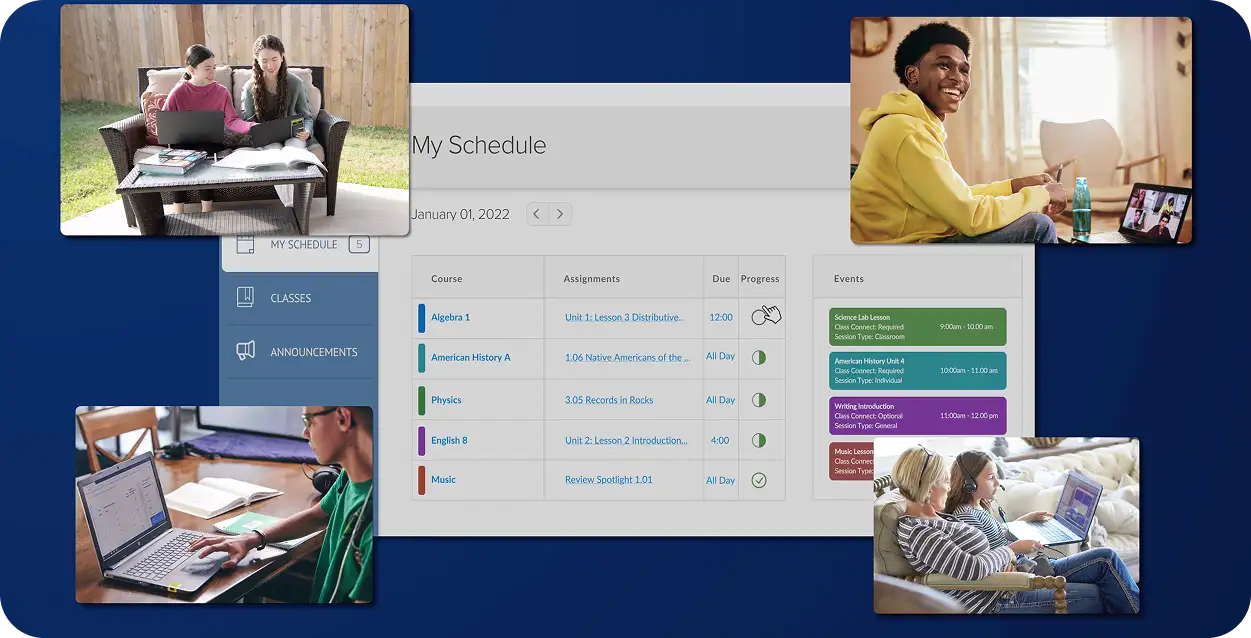
The number of classes students take varies per grade level and individual. For example, middle school students like Connor typically take 5–6 subjects each semester, with maybe 2–4 of those requiring scheduled, live classes.In addition to core academic subjects, there’s a great selection of electives including career exploration in some middle schools.
The Parent Experience as a Learning Coach
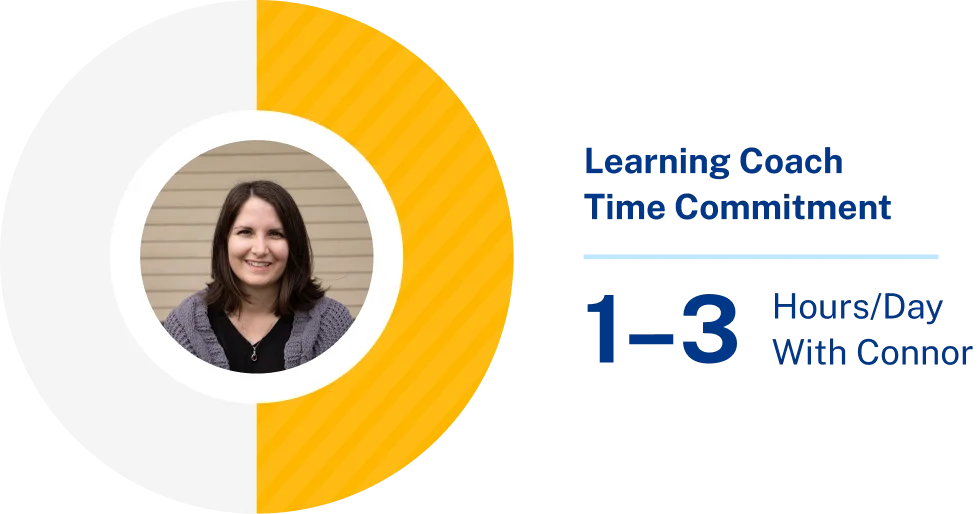
At K12-powered schools, parents (or other responsible adults) act as Learning Coaches for their students. Learning Coaches typically spend 1 to 3 hours a day with middle school students like Connor. Heather balances Connor’s school hours with her work schedule to create an ideal fit for their family. She provides direction while giving Connor space to grow into an independent learner.
Build Meaningful Friendships
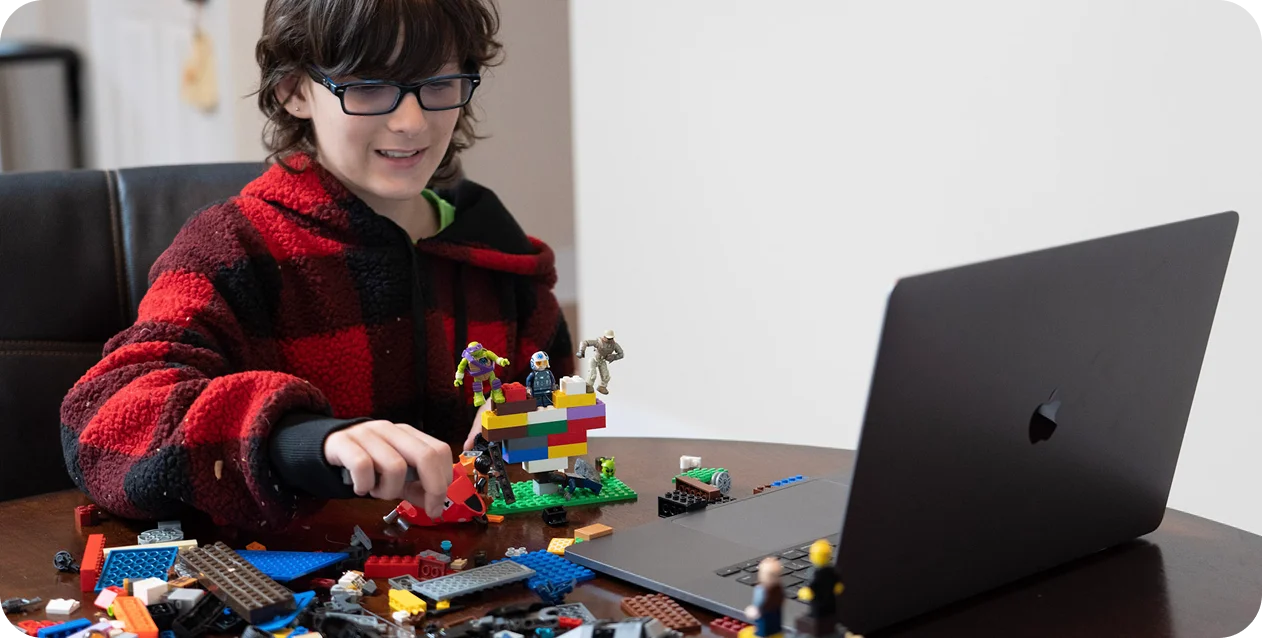
Online school helps Connor spend time with his friends and meet new ones. His online school LEGO® club engages in exciting challenges, like building a hotel or a boat to escape a deserted island. Sometimes the play spills over to video game matches outside of school.
Time away from the computer looks like …

School Outside the Classroom

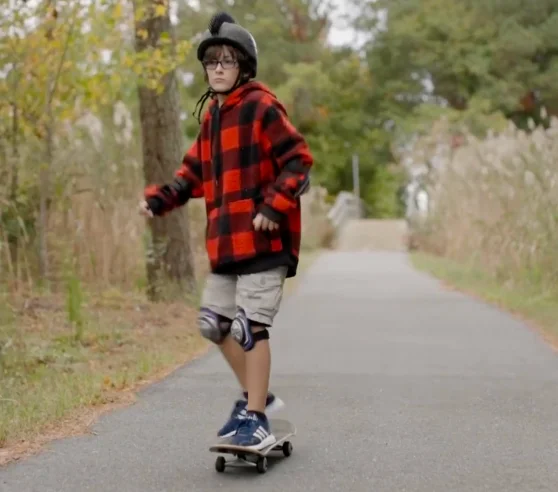
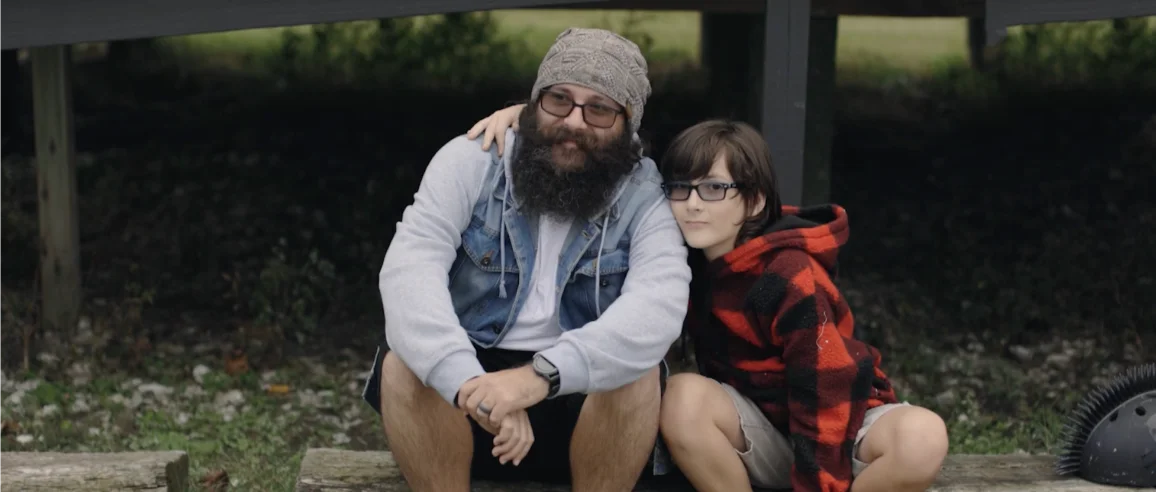
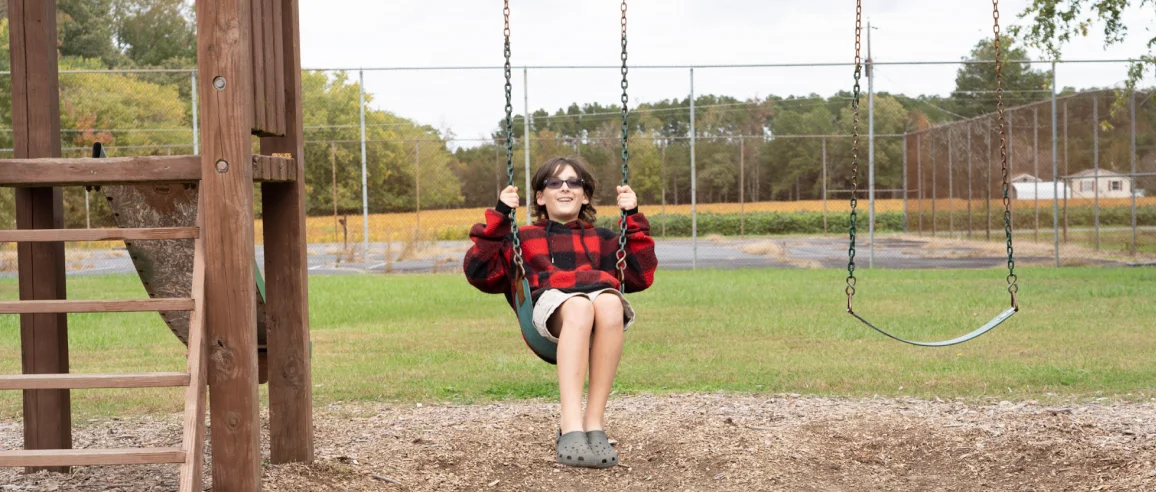
Connor’s learning isn’t limited to class time. He also works on tactile science activities, builds LEGO® structures, and creates artistic projects. He especially loves his science class, where he’s working with hands-on materials like a mineral kit full of geodes — and even a brachiopod fossil. During breaks outside, he searches for rocks to add to his collection, rides on his skateboard, or plays with his beloved pup Everett.
Family Q&A
Connor: I have a tough time staying focused, especially with a strict time limit. In elementary school, I learned that fidget toys help me. But my old school said they were distracting. Online school lets me use my fidgets whenever I need them—and I can stand up, which helps. Plus, I have more time on assignments.
Connor: It’s easy to manage for me. The classes are recorded, so you can catch up if needed. I’m getting better grades. My dad likes it because I can take more classes that I’m interested in, like art. My mom likes it because she can be more involved and have better access to my teachers.
Connor: I stay in touch with my friends over Messenger, and we meet up to jump on the trampoline and have sleepovers. We play online games together, too. Plus, I’ve made new friends at my online school and in the clubs I’m in there, like LEGO® club.
Connor: I listen to a lot of music and have little dance parties. I take my dog, Everett, outside for walks. And I stop to have a snack; snack breaks are an awesome part of doing school at home.
Other Stories You Might Find Helpful

7th Grade
Mari
Mari thrives in an online school with flexibility for medical appointments, hands-on lessons, and social activities through a military co-op.

8th Grade
Sabrina
Sabrina excels academically with a supportive class structure and Spanish-speaking staff who helped her settle in at school.

8th Grade
Josh
Josh’s advanced school schedule makes time for live history and science classes, science experiments, and basketball.

Learning With K12
From kindergarten to high school, K12 provides tuition-free online education that empowers students to learn in ways that work for them. Browse options in your state to find the perfect fit for your family.
These are the stories of real students attending K12-powered schools and their families. Content is a combination of direct quotes and summaries from interviews. Their stories each reflect their experiences at their respective schools. Actual experiences can vary by student and school. These pages are designed to reflect a typical day in the life of a student attending an online K12-powered school. Individual class schedules and requirements will vary by state, school, and the individual needs of each student. Course materials vary, and certain schools may not provide computers or may have specific requirements for providing equipment.