 About Us
 Why K12?
 Safety Needs
 How Students Succeed
 FAQs
FAQs Online Elementary School
 Online Middle School
 Career and College Prep
 Online High School
 Student Clubs
 Career and College Services
 Inside the Online Classroom
 A Day in the Life
 Social & Extracurricular
 Advice, Tips & Inspiration
 Benefits for Life
 Enroll
 All School Options
 Need More Help?
Socialization for Online School Students: How It Works
Discover how socialization for online students really works. Learn how K12 students build lasting friendships, join virtual clubs, and stay active.

Table of Contents
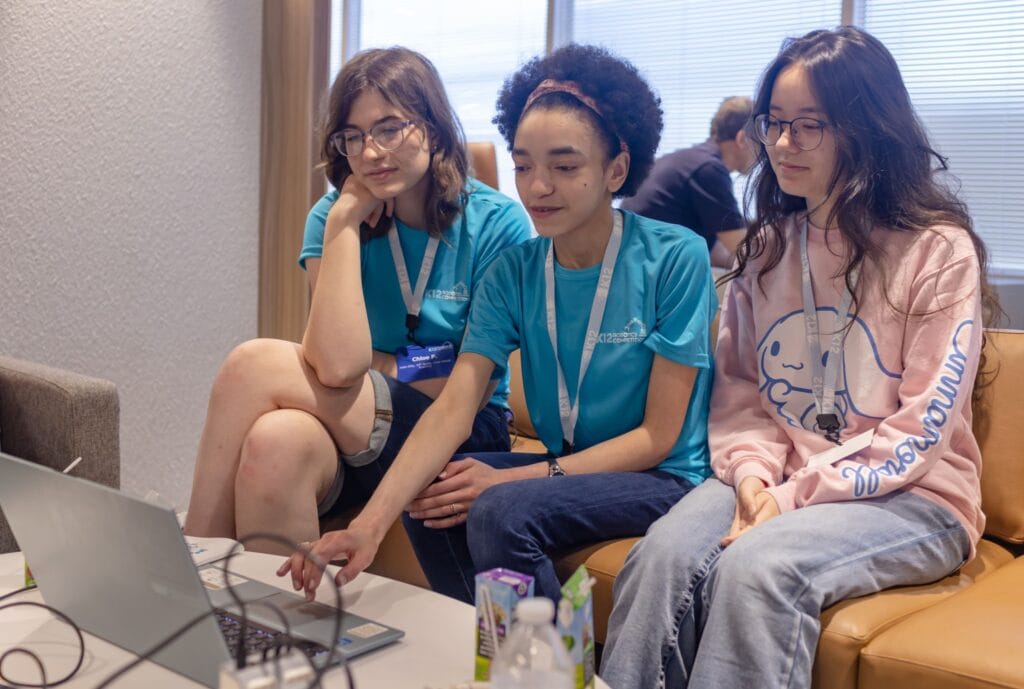
Building real, lasting friendships is a fundamental part of the virtual school experience. Through live interactive classes, online clubs, and organized face-to-face events, digital learning programs are structured to keep students actively engaged and connected throughout the day. Modern virtual education completely eliminates geographical barriers, allowing peers from different backgrounds to naturally connect over shared academic goals and personal interests.
When exploring online school, it is completely normal for families to ask:
- Will my child feel isolated?
- Will they make friends?
- Are there opportunities to meet in person?
Addressing these questions directly helps dismantle common myths surrounding online learning and helps parents find ways to support their child’s online school success. Socialization in a virtual environment isn’t missing; it’s simply intentional.
Online school students have multiple structured avenues to connect, build lifelong friendships, and develop strong interpersonal skills both during and beyond the instructional school day. By replacing traditional classroom distractions with focused communication, students learn to express themselves more effectively, setting up a solid foundation for both personal growth and future collaboration.
Online School Social Opportunities
A high-quality virtual school ensures that social development is a core component of the student experience. Online schools offer a mix of virtual and in-person activities so students can connect in ways that feel natural, engaging, and aligned with their personal interests. Rather than leaving peer interactions to chance during chaotic hallway transitions, digital school platforms deliberately structure opportunities for meaningful engagement. This intentional design ensures that every student, regardless of their location or learning style, has a supportive space to participate and grow.
To help students build connections, many online school programs provide structured school-sponsored opportunities, including:
- Virtual clubs and student organizations: From gaming and esports to coding, science, and creative writing, students connect over shared passions in structured environments that meet weekly or biweekly.
- Collaborative group projects: Live, interactive classes allow students to turn on cameras, share screens, and work together on academic assignments in real-time.
- In-person field trips and meetups: Local schools often provide sponsored outings, museum trips, and park days that offer regular face-to-face interactions for families and Learning Coaches alike.
Social Opportunities Outside the Virtual Classroom
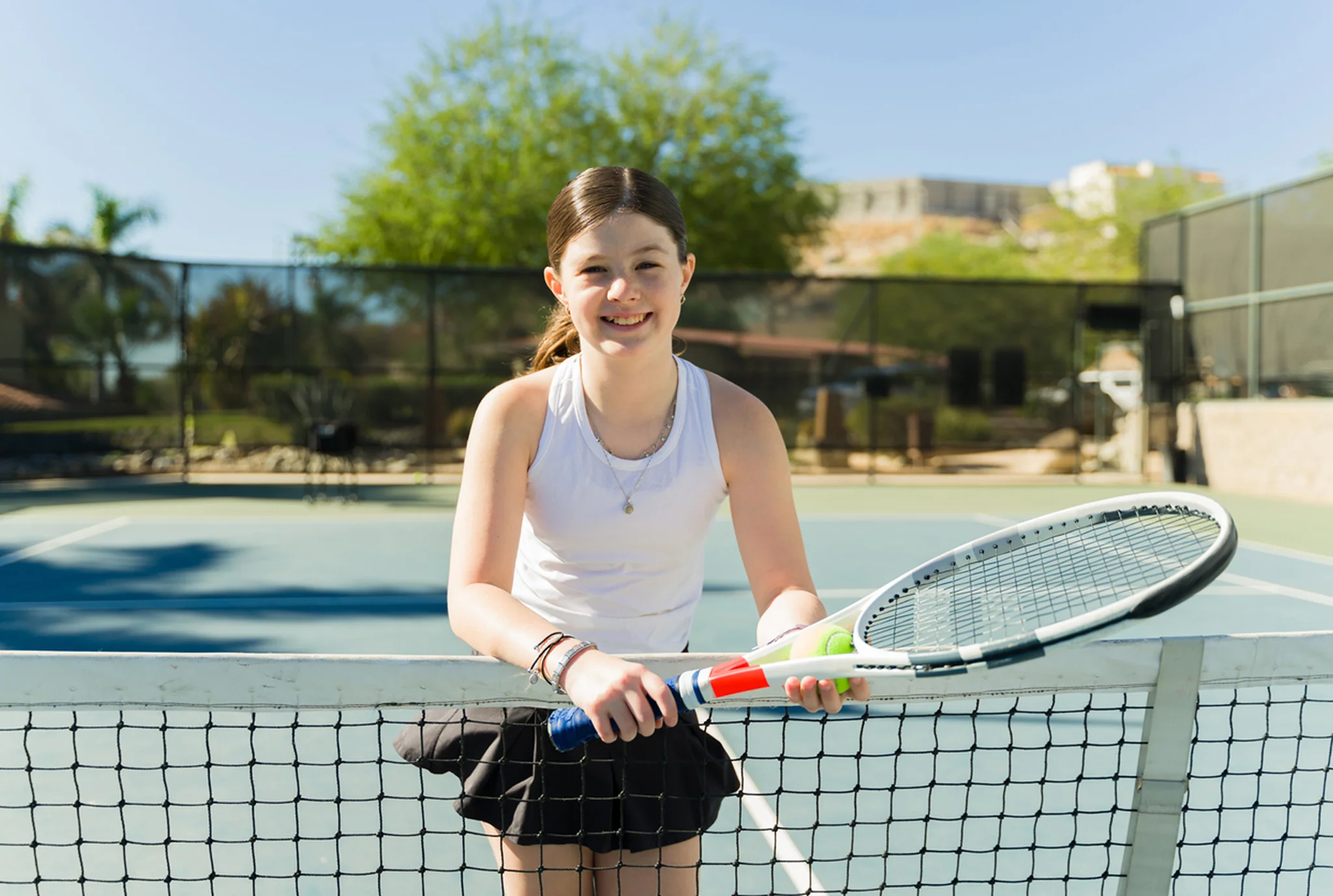
True socialization extends beyond school hours. Because virtual learning offers alternative and flexible scheduling, families have more time to pursue passions and interact within their local communities.
Traditional school schedules often leave little room for outside activities due to long bus rides and rigid hours. In contrast, online learning empowers students to manage their academic schedules efficiently, leaving ample time to engage with neighbors, join local organizations, and participate in communitywide events that enrich their interpersonal skills.
Consider becoming involved in some after-school social opportunities, such as:
- Community Sports and Local Leagues: Enrolling in neighborhood soccer, karate, gymnastics, or dance classes where regional policies grant access to public school extracurriculars.
- Special Interest Programs: Joining local theater groups, scouting programs, or music lessons based on hobbies.
- Volunteering: Engaging in community service projects that build social responsibility, teamwork, and local friendships.
By combining school-based virtual clubs with local neighborhood activities, parents can easily prioritize healthy peer interaction and support their child’s social development outside the classroom environment.
Online School Works Well for Introverts and Students With Social Anxiety
For students dealing with social anxiety or traditional school distractions, socializing online can feel less intimidating than in-person environments. The virtual setting reduces communication apprehension, helping introverted students feel more comfortable communicating with peers and teachers.
In a traditional school setting, students are fully immersed every day in intense social situations that can cause situational overload. In an online setting, students with social anxiety can take comfortable small steps toward peer interaction. They can engage through text chat features first, before moving to live audio or video interactions at a pace that feels safe. Facing fears is important, and a compassionate, step-by-step virtual approach is a highly effective way to help anxious learners build lasting confidence.
The Benefits of Online Learning for Socialization

Online school provides a unique opportunity for students to reduce social distractions and create healthy segmentation between academic focus and social time. In an online learning environment, students can focus on learning without peer noise, bullying, or social drama.
Another benefit of online learning is that it acts as a catalyst for genuine relationship building. Instead of building friendships based purely on classroom proximity, online students build friendships based on shared interests. By choosing a program that prioritizes interaction and encourages students to take part in the opportunities offered, parents can ensure their children get a personalized education while maintaining a vibrant social life.
Take the Next Step in Your Virtual Education Journey

Transitioning to online learning is a major milestone, and having the right resources can help your family prepare for long-term success. Explore our actionable tips to help your child succeed in online school.
Frequently Asked Questions About Online School Socialization
These insights help parents feel confident about supporting their child’s academic skills development in online school and providing opportunities to maintain active, fulfilling peer connections.
How do teachers support socialization in a virtual classroom?
Teachers play an active role in fostering connections by utilizing breakout rooms for small-group discussions, encouraging peer-to-peer feedback on projects, and hosting interactive icebreaker activities at the start of live sessions. This ensures that students regularly practice collaboration and communication skills under professional guidance.
Do virtual school students miss out on milestones like prom or graduation?
No. Leading virtual schools like K12 organize several engaging social experiences, from formal, in-person graduation ceremonies and regional proms to school dances. These events bring families together to celebrate academic milestones, ensuring online students enjoy classic high school experiences alongside their virtual peers.
Will my child feel isolated in an online school?
No. While some families worry that online learning might feel isolating, well-structured programs design daily live lessons, class discussions, and collaborative assignments specifically to keep students connected and talking with peers.
How often do online students interact with their peers?
Student interaction is a daily part of the online school experience. It primarily involves live virtual classes, group projects, and interactive club activities, supplemented by school-sponsored regional meetups and field trips throughout the year.
Can online school students play competitive sports?
Yes. In many states, virtual school students can participate in sports and extracurricular activities through their local public school districts or join independent community leagues and travel teams.