 About Us
 Why K12?
 Safety Needs
 How Students Succeed
 FAQs
FAQs Online Elementary School
 Online Middle School
 Career and College Prep
 Online High School
 Student Clubs
 Career and College Services
 Inside the Online Classroom
 A Day in the Life
 Social & Extracurricular
 Advice, Tips & Inspiration
 Benefits for Life
 Enroll
 All School Options
 Need More Help?
What are the benefits of online school for athletes?
See how online school helps student-athletes balance training and academics through flexible schedules, NCAA courses, and personalized support.

Table of Contents
Balancing demanding training schedules with traditional school can feel overwhelming for student-athletes and their families. Rigid class schedules, missed school days during travel, and the constant stress of keeping up with both commitments create challenges that impact academic and athletic performance.
Online school offers a personalized and flexible learning environment designed to help student-athletes achieve both personal and academic goals. With customizable schedules, supportive teachers, and NCAA-approved coursework, online high school allows athletes to excel in competition and the classroom without compromise.
5 Benefits of Online High School for Athletes
1. Scheduling Flexibility to Allow for More Training Time
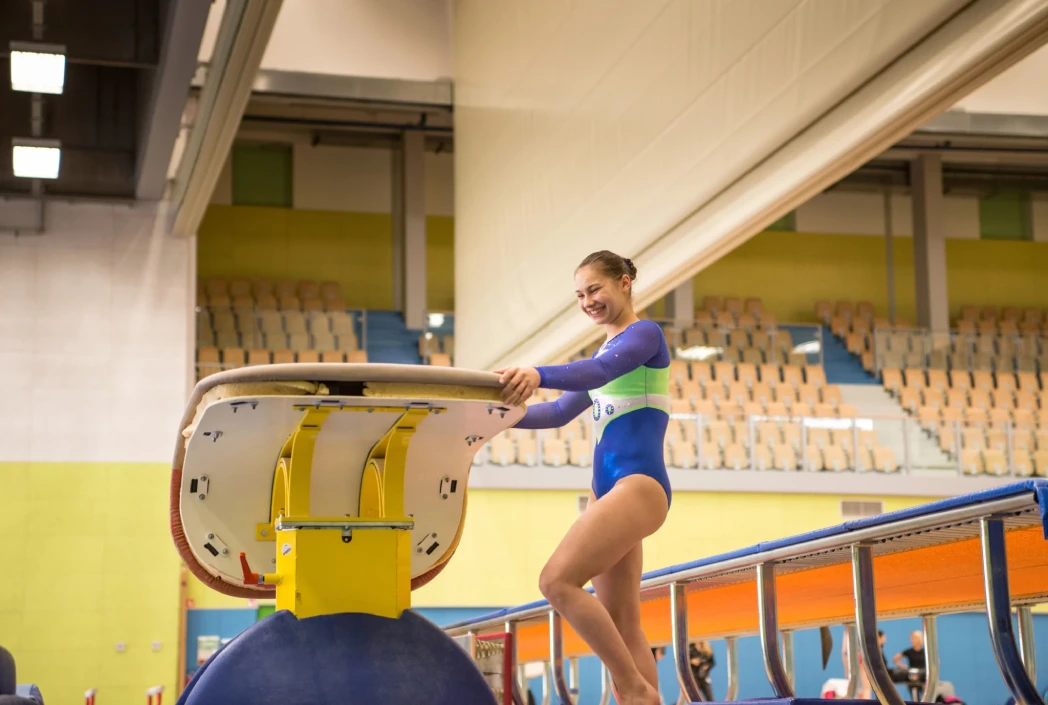
Traditional schools operate on fixed schedules that often conflict with athletic demands. Online schooling removes these barriers by allowing students to learn when and where it works best for their training.
Athletes can complete schoolwork in the morning before training sessions, during midday breaks between practices, or in the evening after competitions. During the off-season, students can accelerate through coursework. When competition season arrives and training intensifies, they can adjust their pace without falling behind.
This seasonal flexibility reduces stress and keeps grades consistent, even during the busiest months. Controlling their learning schedules eliminates conflicts between mandatory classes and crucial training sessions.
2. No Missed School Days During Travel
Travel presents one of the biggest academic challenges for competitive athletes in traditional schools. Missing multiple days of class for tournaments creates gaps in learning that are difficult to recover from.
Online school eliminates this problem by making education portable. As long as a student has a laptop and internet access, they can complete coursework from anywhere, including hotel rooms during tournaments, training camps, or even between competition rounds.
This consistency helps prevent the academic gaps that typically occur when students miss traditional classes. Competitions no longer conflict with academics because students can plan their lessons around events and communicate with instructors to stay on track.
3. Opportunity to Achieve Full Potential With Online Learning
Quality online schools provide rigorous, personalized education that prepares students for college and beyond. Fully accredited programs meet standards set by regional or national accrediting bodies, ensuring credits transfer and diplomas are recognized by colleges and universities.
Every student has access to supportive and caring teachers who work one-on-one with them throughout their courses. These teachers serve as mentors and academic coaches, providing individualized attention that can be difficult to achieve in traditional classrooms with 25–30 students.
Many online schools offer Advanced PlacementⓇ courses that allow students to earn college credits while still in high school. Adaptive learning platforms use technology to personalize education based on individual learning styles and paces, automatically adjusting content difficulty to match each student’s needs.
4. Less Stress, Worry, and Anxiety
The combination of rigorous athletic training and a full traditional school day leads to physical and mental exhaustion. Athletes often attend early morning practices before school, sit through 6 to 8 hours of classes, then return for afternoon training sessions.
Online learning reduces this stress by eliminating the need to attend school in person for extended periods. Athletes have more time for recovery, sleep, and mental health, which can improve performance in both academics and sports.
Flexible pacing allows students to optimize their schedules around training cycles. They can focus intensely on academics during lighter training periods and adjust their workload during peak competition seasons, creating a sustainable balance that prevents burnout.
5. Flexible Learning With Mobile-Friendly Platforms
Modern online learning platforms are designed for mobility, allowing students to access coursework from laptops, tablets, and smartphones. This mobile-friendly approach means athletes can continue their education regardless of location.
Students can watch recorded lessons, complete assignments, and communicate with teachers from competition venues, training facilities, or while traveling internationally. Cloud-based systems automatically sync progress across devices, ensuring continuity in education.
Many platforms offer offline capabilities, letting students download course materials during travel without internet access and upload completed work when connectivity is restored. This flexibility ensures academic progress continues even during the most demanding competition schedules.
What Student-Athletes Need to Know About Online School
For athletes planning to compete in college, NCAA eligibility is critical. Online schools can absolutely meet NCAA requirements, but families must verify approval before enrolling.
How to Verify NCAA Approval
Visit the NCAA Eligibility Center website and search for your online school by name or school code to review the school’s NCAA-approved core-course list. Confirm that your planned courses appear on the approved list.
Not every online school is NCAA-approved, and not every course at an approved school counts toward eligibility. Each course must be individually reviewed and approved by the NCAA Eligibility Center. Students should register with the NCAA Eligibility Center by their 10th grade year and work with their school counselor to ensure they’re taking the right courses.
Core Course Requirements by Division
Division I athletes must complete 16 NCAA-approved core courses with a minimum 2.3 GPA.
This includes:
- 4 years of English
- 3 years of math
- 2 years of science
- 2 years of social science
- 4 years of additional core courses
Ten of these courses must be completed before the 12th grade year begins, including 7 in English, math, or science.
Division II athletes also need 16 core courses with a minimum 2.2 GPA. The distribution is slightly different, and there’s no requirement to complete courses before 12th grade.
The NCAA calculates GPA based solely on approved core courses, not overall high school transcripts. Waiting until 12th grade to address eligibility can be too late, especially for Division I prospects.
Choosing the Right Online School for Your Athletic Journey
Selecting the right online school requires careful evaluation of several key factors. First, verify that the school is fully accredited by recognized accrediting bodies to ensure credits transfer and diplomas are accepted by colleges.
Confirm NCAA approval by searching the school on the NCAA Eligibility Center website and reviewing its approved core-course list. Look for schools with experienced teachers who understand student-athlete needs and provide regular one-to-one support through video calls, email, and virtual office hours.
Evaluate technology requirements to ensure you can access coursework reliably during travel. The best programs offer mobile-friendly platforms, offline capabilities, and technical support for families on the go.
Finally, assess curriculum quality. Strong online schools offer Advanced PlacementⓇ courses, comprehensive core subjects required for college admission, and personalized learning plans that adapt to individual needs and schedules.
Achieving Excellence in Athletics and Academics
Online school provides student-athletes with the flexibility, support, and personalized learning environment they need to excel in both competition and the classroom. Customizable schedules, NCAA-approved coursework, supportive teachers, and mobile-friendly platforms create an environment where athletes can pursue their dreams without sacrificing academic quality.
The key is choosing an accredited online school with NCAA-approved core courses and comprehensive support systems. Start by verifying NCAA approval through the Eligibility Center website, and consult with coaches and athletic advisors about how online school fits your training schedule. With early planning and the right program, you can achieve excellence in both athletics and academics while preparing for college success.