 About Us
 Why K12?
 Safety Needs
 How Students Succeed
 FAQs
FAQs Online Elementary School
 Online Middle School
 Career and College Prep
 Online High School
 Student Clubs
 Career and College Services
 Inside the Online Classroom
 A Day in the Life
 Social & Extracurricular
 Advice, Tips & Inspiration
 Benefits for Life
 Enroll
 All School Options
 Need More Help?
How to Make Studying More Fun
Find ways to turn boring study sessions into engaging, enjoyable experiences with options designed to boost motivation and sharpen focus with fun.

Table of Contents
Studying doesn’t have to feel like a chore. With the right strategies, you can transform boring study sessions into engaging experiences that actually make learning enjoyable. Whether you’re preparing for exams or building better study habits, these ways will help you discover that effective and fun aren’t mutually exclusive.
The key is finding approaches that match your learning style and personality. From turning assignments into games to creating the perfect study space, these strategies work for students at all levels.
Gamify Your Study Sessions
Turning studying into a game taps into your brain’s reward system, making learning feel less like work and more like play.
Create a personal point system. Award yourself points for completing tasks: 10 points for finishing a chapter, 5 points for each practice problem, or 20 points for attending a study group. Set weekly goals and reward yourself when you reach milestones. This simple system provides immediate feedback and makes progress tangible.
Use gamified study apps. Apps like Quizlet turn flashcards into competitive games, while Forest grows virtual trees as you stay focused. Habitica transforms your study routine into a role-playing game where completing tasks earns experience points and rewards. These tools make consistent studying feel addictive in the best way.
Race the timer: Challenge yourself to work through a set of flashcards before the countdown hits zero.
Challenge yourself with streaks. Track consecutive days of studying on a calendar. The longer your streak grows, the more motivated you’ll feel to maintain it. This approach leverages loss aversion; you won’t want to break a 30-day streak over one lazy day.
Design subject-specific quests. Transform study goals into adventures with creative names. “The Calculus Conquest” or “The Biology Expedition” makes mastering concepts feel like completing missions in a game. Check off each quest as you complete it and celebrate your victories.
Making Studying With Peers Fun
Social learning transforms solitary studying into an engaging, collaborative experience that keeps you motivated and accountable.
Host quiz competitions. Create Kahoot quizzes or use personal whiteboards where everyone writes answers simultaneously. The first correct answer earns points. This fast-paced format keeps energy high and makes review sessions fly by.
Teach each other. Take turns explaining concepts to the group. Teaching forces you to understand material deeply, and students who received peer tutoring passed classes they had previously failed. When you can explain something clearly, you truly know it.
Try collaborative games. Play “Around the World,” where students compete to answer questions first, or create vocabulary bingo with terms from your course. Role-playing historical events or scientific processes brings abstract concepts to life through embodied learning.
Use collaborative online tools. Google Docs allows real-time note-taking together, while Miro provides digital whiteboards for visual brainstorming. Microsoft Teams and Slack keep study groups organized with dedicated channels for different subjects. These tools make studying together easy, even when you can’t meet in person.
Change Your Study Environment
Your surroundings significantly impact focus and motivation. Small changes to your study space can make studying feel more inviting and productive.
Optimize your lighting. Natural light is best for learning. Position your desk near windows and use soft, bright lamps for evening study sessions. Students in well-lit rooms receive significantly higher grades because proper lighting helps the brain process information more effectively.
Add plants to your space. Greenery reduces stress, improves focus, and can boost productivity by up to 12%. Even a few small plants create a calmer, more pleasant study environment.
Keep it organized. Clutter creates mental distraction. Keep only daily-use items on your desk and store everything else out of sight. Use desk organizers for supplies and manage cable clutter with ties. Make tidying part of your routine by organizing materials at the end of each study session.
A change in scenery. Studying in different locations improves retention by creating multiple memory pathways. Alternate between your room, the library, coffee shops, and outdoor spaces. This variety helps your brain access information more flexibly during exams.
Enjoy calm sounds. Play instrumental or lo-fi music to enhance focus without distraction. Use essential oils like peppermint or rosemary to boost concentration. Keep your space at a comfortable temperature between 68–72°F. These sensory elements create optimal conditions for learning.
Try a Different Study Approach
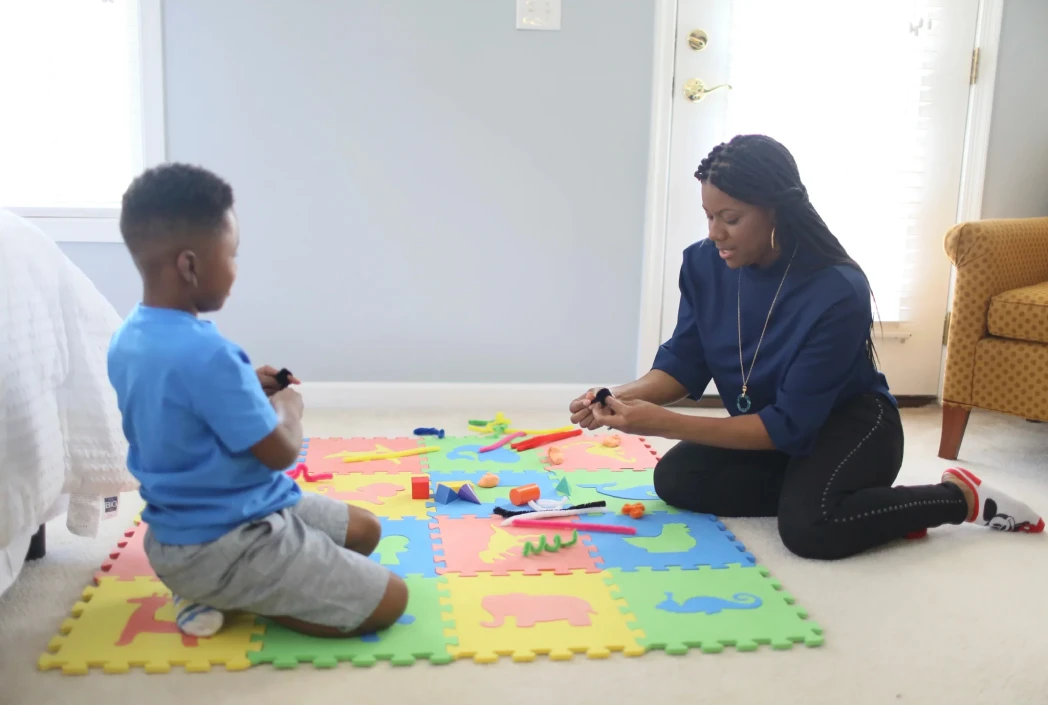
Moving beyond traditional note-taking and memorization makes studying more engaging and often more effective.
Try visual learning techniques. Create mind maps that branch out from central concepts, showing how ideas connect. Use color coding to categorize information, one color for main ideas, another for details, and a third for examples. Draw diagrams and flowcharts to represent processes visually.
Incorporate movement. Pace while reviewing flashcards, use standing desks, or take study breaks with stretching. Act out historical events or scientific processes. Movement helps your brain form stronger connections to the material.
Experiment with creative note-taking. Try sketchnoting, which combines words and simple drawings to capture ideas. These approaches make note-taking an active learning process rather than passive transcription.
Apply the Feynman Technique. Explain concepts in simple language as if teaching a child. This reveals what you truly understand versus what you’ve merely memorized. When you can’t explain something simply, you’ve found a gap in your knowledge to address.
Use spaced repetition. Review material at increasing intervals: after one day, then three days, then a week, then a month. This technique optimizes long-term retention far better than cramming.
Connect learning to real life. Ask yourself how concepts apply to your interests, career goals, or current events. Real-world connections make abstract ideas concrete and show you why the material matters. This relevance naturally increases motivation and retention.
Making Learning a Lifelong Joy
Effective studying doesn’t have to mean sitting through boring sessions. By adding games, studying with friends, changing your environment, and trying creative techniques, you can make learning more engaging and enjoyable.
As you build a routine around the methods that work best for you, studying can become more consistent and rewarding. Over time, these habits can support better academic performance while helping you develop a positive attitude toward learning that can benefit you well beyond the classroom.