 About Us
 Why K12?
 Safety Needs
 How Students Succeed
 FAQs
FAQs Online Elementary School
 Online Middle School
 Career and College Prep
 Online High School
 Student Clubs
 Career and College Services
 Inside the Online Classroom
 A Day in the Life
 Social & Extracurricular
 Advice, Tips & Inspiration
 Benefits for Life
 Enroll
 All School Options
 Need More Help?
Back-to-School Tips for Easing Preschool Anxiety
Help your preschooler overcome back-to-school anxiety with these practical, age-appropriate tips. Ease the transition and build confidence today.
Table of Contents
Starting preschool can bring up big feelings for little ones. Back-to-school anxiety is common in preschoolers, showing up as clinginess, tears at drop-off, or worries about being away from home. The good news is that with the right preparation and support, you can help your child feel confident and excited about this new adventure.
These practical tips will guide you through recognizing signs of anxiety, preparing before the first day, creating positive goodbye routines, and supporting your child’s emotional needs throughout the transition.
Signs of Back-to-School Anxiety in Preschoolers
Understanding how anxiety shows up in young children helps you respond with the right support. Preschoolers often can’t put their worries into words, so they show anxiety through behavior and physical symptoms instead.
Common behavioral signs include:
- Increased clinginess or wanting to stay close to you constantly
- Resistance to going to school or talking about preschool
- Sleep troubles like difficulty falling asleep or frequent night waking
- Tantrums that seem more intense or harder to calm
- Regression in skills like toileting or self-help abilities
Physical symptoms to watch for:
- Stomachaches or headaches with no medical cause
- Complaints of not feeling well, especially before school
- Changes in appetite or eating patterns
- Fatigue or appearing tense and nervous
It’s important to know the difference between typical separation concerns and anxiety that needs extra attention. Most preschoolers show some distress when starting school, but this usually improves within a few weeks. If anxiety persists for several weeks, interferes with daily activities, or includes intense physical symptoms, consider talking with your child’s teacher or pediatrician.
Build Predictability and Prepare Your Child for the First Day
Preparation helps transform the unknown into something familiar and manageable. When children know what to expect, they feel more confident and less anxious about starting school.
Visit the School and Meet the Teacher
School visits directly address the biggest source of preschool anxiety: not knowing what to expect. When your child sees the classroom, meets the teacher, and explores the space beforehand, school becomes a familiar place instead of a scary unknown.
During your visit, point out specific details like where your child will put their backpack, the play areas, the bathroom, and the snack table. Let your child explore at their own pace and touch materials in the classroom. This hands-on experience makes the space feel welcoming.
Meeting the teacher beforehand is equally important. When your child sees you chatting comfortably with the teacher, they learn this new adult is someone safe and trustworthy. Many schools offer open houses or orientation days specifically for this purpose.
Read Books About Starting School
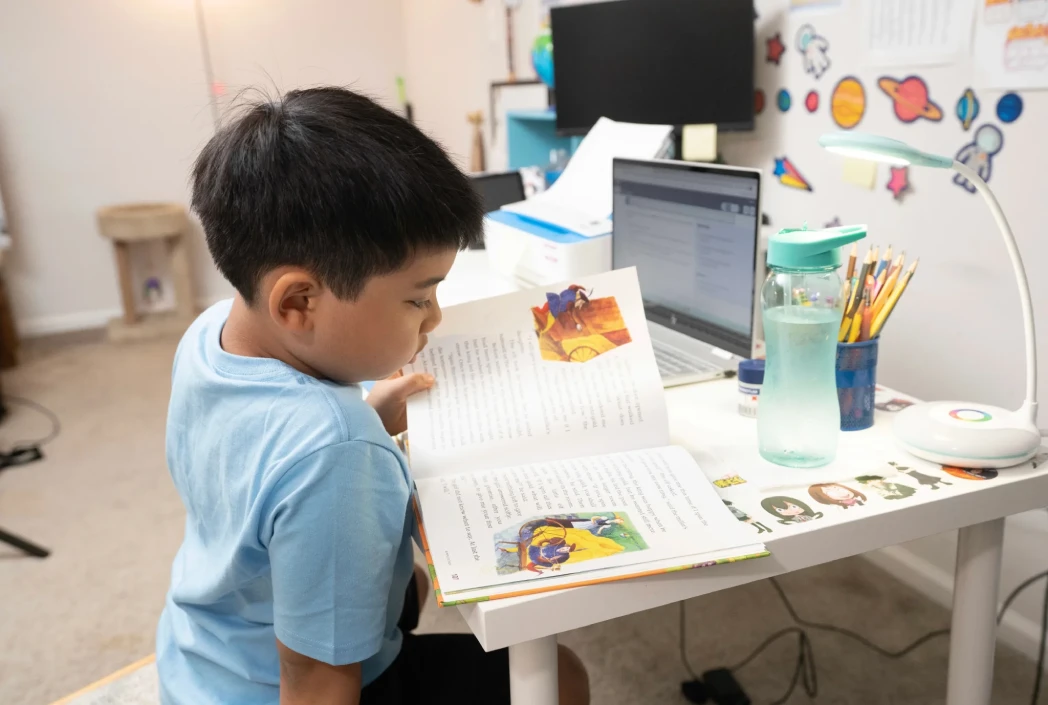
Books provide a safe way for children to rehearse the school experience before living it. Stories about starting school help children understand what happens during the day and validate their feelings.
Recommended books include:
- Llama Llama Misses Mama by Anna Dewdney addresses separation anxiety directly
- The Kissing Hand by Audrey Penn offers a concrete comfort strategy
- It’s Time for Preschool! by Esme Raji Codell gives a rundown of daily activities
- When I Miss You by Cornelia Maude Spelman validates big emotions
Read these books together regularly in the weeks before school starts. Repeated reading helps children become familiar with school vocabulary and concepts, making the first day less overwhelming.
Practice the Morning Routine
Starting a consistent morning routine two to three weeks before school helps your child adjust gradually. Practice waking up at school time, getting dressed, eating breakfast, and brushing teeth in the same order each day.
Create a visual routine chart with pictures showing each step. This helps preschoolers follow the sequence independently and reduces the need for constant reminders. Include tasks your child can manage, like choosing between two outfit options, putting dirty clothes in the hamper, and carrying their backpack to the door.
Prepare the night before by packing bags, laying out clothes, and prepping lunch. This reduces morning stress and creates a calmer start to the day.
Create a Positive Goodbye and Drop-Off Routine
A consistent goodbye routine helps children feel secure during drop-off. When goodbyes follow the same pattern each day, children know what to expect and trust that you’ll return.
Elements of an effective goodbye ritual:
- Keep it brief, around 5 to 10 minutes maximum
- Create a simple, repeating ritual like a special handshake, song, or phrase
- Give your child full attention and affection
- Say goodbye confidently and leave without lingering
- Never sneak away without saying goodbye
Lingering actually increases anxiety rather than reducing it. When you stay too long, it creates uncertainty about when the separation will happen and communicates that you’re unsure about leaving. Children typically calm down within minutes after parents leave when teachers can redirect them to activities.
If your child cries at drop-off, acknowledge their feelings with something like “I know you’re feeling sad right now, and that’s okay. Your teacher will help you feel better, and I’ll be back after snack time.” Then complete your goodbye and leave as planned.
Consider using a transitional object like a small stuffed animal or special bracelet. These comfort items help children feel connected to you during the day. Talk with the teacher about what items are allowed in the classroom.
Offer Your Child Emotional Support and Connection
Supporting your child’s emotions throughout the transition helps them develop confidence and coping skills that will serve them well beyond preschool.
- Validate feelings without dismissing them. When your child expresses worry, respond with “It’s okay to feel nervous about school. Many children feel this way at first.” Avoid saying “Don’t worry” or “You’ll be fine,” which can make children feel their emotions aren’t valid.
- Help your child name their emotions. Preschoolers often lack the vocabulary to express feelings. Label emotions for them: “It looks like you’re feeling worried about tomorrow. That feeling is called anxiety, and it’s normal when we try something new.”
- Teach simple calming techniques. Practice deep breathing together by pretending to smell a flower and blow out a candle. These concrete strategies give children tools to manage anxiety when it arises.
- Maintain consistent routines at home. Predictable mealtimes, bedtimes, and family rituals create emotional anchors that help children feel secure during times of change. Even small rituals like reading together before bed provide comfort and connection.
- Use play to process emotions. Set up pretend school scenarios with stuffed animals or dolls. This lets your child work through worries in a safe, controlled environment where they feel in control.
- Model healthy emotional regulation. Talk about your own feelings in age-appropriate ways: “I’m feeling a little nervous about my meeting today, so I’m going to take some deep breaths to help myself feel calmer.” When children see you manage emotions effectively, they learn to do the same.
If anxiety persists beyond the first few weeks, interferes with daily activities, or includes intense physical symptoms, reach out to your child’s teacher or pediatrician. Early support can make a significant difference.
Building Confidence for a Successful School Year
Back-to-school anxiety is a normal part of growing up, and with patience and the right strategies, your child can move through it successfully. By recognizing anxiety signs early, preparing thoroughly before the first day, establishing consistent goodbye routines, and supporting your child’s emotional needs, you’re giving them the tools to thrive.
Remember that every child adjusts at their own pace. Some settle in quickly while others need more time and support. Stay consistent with your routines, maintain open communication with teachers, and celebrate small victories along the way.
As you support your child through this transition, you’re not just helping them start preschool — you’re teaching them that new experiences can be managed, that their feelings matter, and that they have the strength to handle challenges. These lessons will serve them well throughout their educational journey and beyond.
If you’re exploring school options that offer flexible learning environments and personalized support for your child’s unique needs, discover K12-powered schools in your area. When you’re ready to take the next step, learn more about how to enroll and start your child’s learning journey with confidence.