 About Us
 Why K12?
 Safety Needs
 How Students Succeed
 FAQs
FAQs Online Elementary School
 Online Middle School
 Career and College Prep
 Online High School
 Student Clubs
 Career and College Services
 Inside the Online Classroom
 A Day in the Life
 Social & Extracurricular
 Advice, Tips & Inspiration
 Benefits for Life
 Enroll
 All School Options
 Need More Help?
What to Expect as a Parent
Online school delivers education through internet-based platforms so students can easily learn from home. State-certified teachers provide live video classes and self-paced lessons. Students attend scheduled virtual sessions, complete assignments independently, and interact with teachers and classmates through a variety of digital tools.
Parents serve as Learning Coaches (LCs), especially for younger students. You’ll help with organization and motivation, while teachers manage all instruction and grading. This setup combines structure with flexibility, allowing families to customize learning around their unique needs.
How Does Online School Differ from Traditional School?
The biggest difference is the location. Students in online schools learn from home instead of traveling to a physical building. However, online schools often offer several similarities to traditional education, including certified teachers, structured schedules, and accountability for attendance and assignments. According to a U.S. Department of Education meta-analysis, “students in online learning conditions, on average, performed modestly better than those receiving face-to-face instruction.”
Virtual learning offers more flexibility in pacing and scheduling. Students can often adjust their daily routine around family needs while still attending required live classes and meeting assignment deadlines.
Key differences include:
- Students work from a dedicated home learning space.
- Live classes happen through video conferencing.
- Parents take on a more active support role.
- Self-paced work allows students to review material as needed.
- Schedules can flex around family commitments.
What does a typical online school day look like?
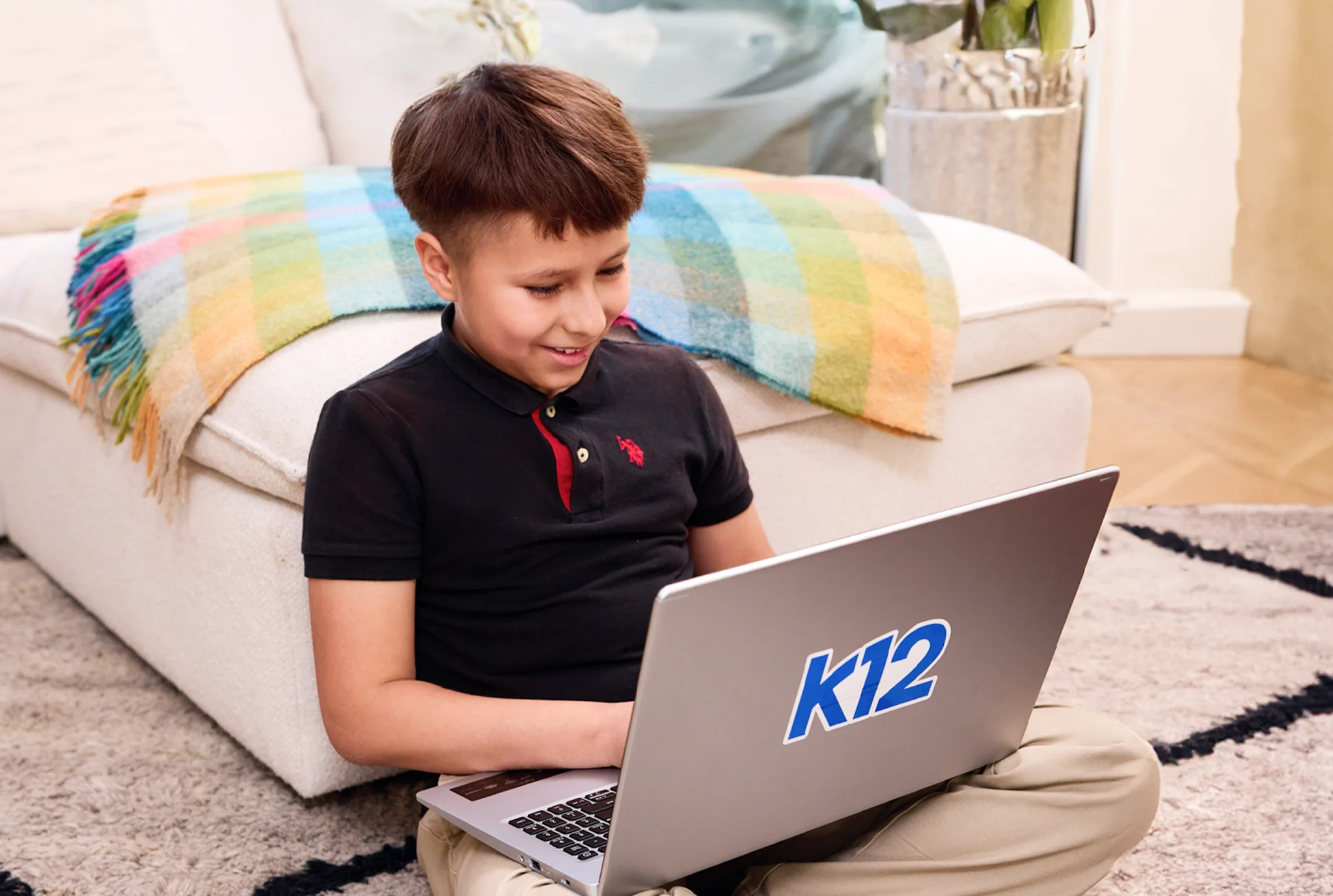
Most students begin their day between 7 and 8 AM. They review their schedule, set daily goals, and log into their learning platform.
Mornings typically have:
- Live virtual classes with teachers and classmates.
- Independent coursework and reading.
- Interactive activities and educational games.
- Short breaks for movement and snacks.
Afternoons often feature:
- Added study sessions.
- One-on-one time with teachers.
- Elective courses.
- Extracurricular clubs.
Time commitments vary by age. Elementary students spend 5–7 hours on schoolwork with 4–6 hours of parent support. Middle schoolers work 4–6 hours with 3–5 hours of parental help. High schoolers spend 3–8 hours on academics with 1–3 hours of parental oversight.
How do teachers support students?

Students get plenty of interaction with their teachers despite the physical distance. State-certified teachers deliver live instruction, provide one-to-one support, and answer questions in real time as needed.
Teachers connect with students in a variety of ways, including:
- Video conferencing for live classes.
- One-on-one virtual sessions.
- Email and messaging.
- Phone calls for check-ins.
- Office hours for individual help.
Teachers typically respond to questions within 24 hours, while feedback on assignments usually comes within 72 hours. Many online schools also offer on-demand tutoring seven days a week.
What technology do you need?
Setting up for online school requires basic technology. The barriers are lower than you might expect.
Essential equipment often includes:
- A computer or laptop with webcam.
- A microphone and headset.
- Reliable internet (minimum 5–6 Mbps).
- A dedicated learning space with a desk and good lighting.
Several tuition-free public online schools provide computers and materials at no cost. For families attending these schools, the primary expense is internet service, typically $50–$100 per month. Schools provide technical support through phone, email, and live chat.
What do parents need to do?
Parents play a more active role in online school than in traditional education. As your child’s LC, you help structure the day, ensure your child attends classes, monitor progress, and communicate with teachers as needed.
Your time investment depends on your child’s age. Elementary students need hands-on support most of the day while middle schoolers typically just require oversight and guidance. High schoolers work mostly independently with parents providing accountability.
Here’s the important part: LCs are not their children’s teachers. State-certified educators manage all instruction, curriculum, and grading. Your role is about support and facilitation, not teaching content.
Is online school right for your family?
Online school works well for families seeking alternatives to traditional education. It offers flexibility for scheduling needs, learning differences, or simply a desire for more personalized education.
Success requires reliable technology, parental involvement (especially for younger students), and a commitment to structured flexibility. If you’re considering online school, research available options in your state. Attend information sessions and talk with current families whose children attend online school to learn about their experiences.
With the right preparation, online school can provide an enriching educational experience tailored to your child’s unique needs.
Explore Whether Online School Is the Right Fit for Your Family
Online learning combines structured lessons with the flexibility many modern families need. K12-powered schools offer state-certified teachers, live virtual classes, and tools designed to support students both academically and socially.
If you’re exploring alternatives to traditional school, learning how online school works is the first step toward finding the right fit for your child.
Find out more about K12-powered schools in your state.
Frequently Asked Questions
Is online school as good as traditional school?
Yes. Online schools use accredited curriculum and employ state-certified teachers. They must meet the same educational standards as traditional schools. Just like traditional schools vary, the quality of an online school depends on the specific program.
How much does online school cost?
Tuition-free public online schools are available in several U.S. states at no cost to families. The primary expense is internet service. Private online schools charge tuition that varies by program.
What if my child needs special education services?
Online schools provide special education services and implement individualized education plans (IEPs) virtually. Specialized coordinators work with teachers to ensure appropriate accommodation and support.
Do I need to be a teacher to be a Learning Coach?
No. Learning Coaches don’t teach content. Your role focuses on support, organization, and motivation. Schools provide resources and training to help you succeed.
What if we have technical problems?
Online schools offer comprehensive technical support through phone, email, and live chat. Support teams help with login problems, platform navigation, and troubleshooting during extended hours.