 About Us
 Why K12?
 Safety Needs
 How Students Succeed
 FAQs
 Online Elementary School
 Online Middle School
 Career and College Prep
 Online High School
 Student Clubs
 Career and College Services
 Inside the Online Classroom
 A Day in the Life
 Social & Extracurricular
 Advice, Tips & Inspiration
 Benefits for Life
 Enroll
 All School Options
 Need More Help?
Is online school right for my child?
Is online school right for your child? Compare and understand what to consider. See if online learning is the right fit for your child. Read on for more!
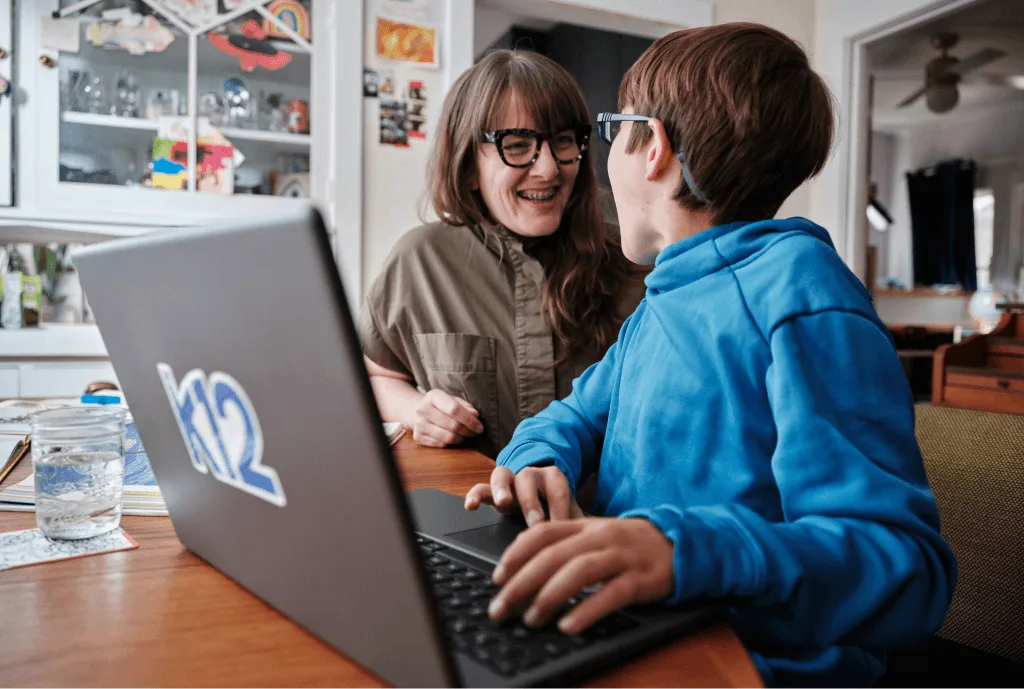
Table of Contents
Choosing the right educational path for your child is one of the most important decisions you’ll make as a parent. Online school offers a different approach to K–12 education, with personalized learning and flexible schedules that work for many families. But it’s not the right fit for everyone.
What to Consider When Looking into Online School
Before exploring the pros and cons of online education, understand what makes a student and family well-suited to this learning model.
Your Child’s Learning Style and Preferences
Different learning styles adapt to online environments in different ways.
- Visual learners often thrive with digital platforms that use videos, diagrams, and colorful materials they can review multiple times. Students who prefer reading and writing also adapt well to text-based assignments and discussion boards.
- Auditory learners can succeed in online school but benefit most from programs with regular live class sessions and discussion opportunities.
- Kinesthetic learners who learn best through hands-on activities may face the biggest challenges, as screen-based learning limits physical movement and tactile experiences.
Beyond learning style, consider your child’s personality. Online school works best for students who can focus independently, manage their time, and stay motivated without constant supervision. Students who need frequent social interaction or struggle with self-discipline may find online learning more challenging.
Family Circumstances and Dynamics
Your family’s situation plays a major role in online school success. Parents serve as Learning Coaches, especially for younger students. In grades K–5, expect to spend 4 to 6 hours daily helping your child navigate lessons and stay on task. Middle schoolers need 1 to 3 hours of daily support, while high school students require less direct involvement but still benefit from regular check-ins.
Consider your work schedule and flexibility. Can you be available during school hours? Do you have a quiet space in your home for learning? Is your internet connection reliable? These practical factors matter as much as your child’s readiness.
What are the benefits of online learning?
Online school offers several meaningful benefits that traditional classrooms often cannot provide.
Personalized Learning and Flexible Pacing: Your child can move through material at their own speed. Students who need extra time on challenging topics can take it without pressure to keep up with the class. Advanced learners can progress faster without waiting for others. This personalized approach helps students master concepts thoroughly rather than just completing assignments.
Schedule Flexibility: Online school eliminates the daily commute and allows families to create schedules that work for them. Students can balance schoolwork with sports, arts, or other activities. Families can take vacations without disrupting education, since much of the work is asynchronous.
Individualized Attention: Online teachers can focus on individual student needs through targeted feedback and personalized communication. Without managing a classroom of 20–30 students simultaneously, teachers provide more one-to-one support when students need it most.
Safe Learning Environment: Students learn from home, where parents know they’re safe from bullying, peer pressure, and other concerns. The comfortable environment helps many students focus better on their studies. For students with medical conditions, online school reduces exposure to illnesses.
Digital Literacy Development: Online students develop technology skills essential for future success. They learn to navigate learning platforms, use productivity software, practice online safety, and communicate professionally in digital environments. These competencies prepare them for college and careers in an increasingly digital world.
What are the challenges to consider?
Online education comes with real challenges that families need to understand before making this choice.
Social Interaction Considerations: Online school reduces face-to-face peer interaction. Students miss spontaneous hallway conversations, lunch table discussions, and the natural social learning that happens in traditional schools. While online programs offer virtual clubs and organized meetups, these don’t fully replace daily in-person connection. Highly social students may feel isolated, while introverted students might actually prefer the reduced social pressure.
Parent Time Commitment: The Learning Coach role demands significant time and energy. Parents oversee the learning environment, help with technology issues, and provide encouragement. This commitment can strain work–life balance, particularly for single parents or families where both parents work full-time outside the home.
Self-Discipline Requirements: Online learning requires students to stay focused without a teacher physically present. Digital distractions like social media and games are always just a click away. Students need strong self-regulation skills to manage their time, complete assignments independently, and resist temptations. These are sophisticated skills that many K–12 students are still developing.
Technology Needs: Online school requires reliable high-speed internet, appropriate devices for each student, and ongoing technical support. Not all families have equal access to these resources. The digital divide creates equity concerns, as students from lower-income families may lack the technology infrastructure needed for successful online learning.
How to Make Your Decision
Use these questions to guide your decision-making process.
Assess Your Child’s Readiness:
- Can your child work independently for age-appropriate periods without constant supervision?
- Does your child complete tasks without frequent reminders?
- How does your child handle frustration and setbacks?
- Is your child comfortable using technology?
- Can your child focus on screen-based tasks for 20–30 minutes?
Evaluate Your Family Capacity:
- Do you have flexible work hours to be present during the school day?
- Can you dedicate 1–6 hours daily to supporting your child’s learning, depending on their age?
- Are you comfortable with technology and learning management systems?
- Do you have a quiet, dedicated space for learning in your home?
- Can you remain patient when your child struggles?
Involve Your Child in the Decision: Talk with your child about what they like and dislike about their current school. Explain both the benefits and challenges of online learning honestly. Ask how they feel about spending more time at home and less time with peers in person. For middle and high school students, discuss their learning preferences and academic goals. Their buy-in matters for success.
Consider a Trial Period: Many families benefit from trying online school for one semester before fully committing. During the first few weeks, establish consistent routines and closely monitor engagement. By the end of the first grading period, you’ll have clear data about whether online school is working academically and emotionally for your child.
Watch for positive signs like increased engagement, stable or improving grades, growing independence, and successful social connections through alternative channels. Warning signs include persistent disengagement, declining academic performance, increasing behavioral problems, constant conflict about schoolwork, and social isolation causing distress.
Taking the Next Step in Your Education Journey
There’s no one-size-fits-all answer to whether online school is right for your child. The best educational choice depends on your child’s unique learning style, personality, and needs, combined with your family’s capacity to support this model.
As you consider your options, exploring how different online programs work can help you understand what personalized learning looks like in practice. Learning about the structure, support systems, and daily experience of online education will give you the information you need to make the best choice for your family. Ready to take the next step? Use the K12 School Finder to compare available schools in your area.