 About Us
 Why K12?
 Safety Needs
 How Students Succeed
 FAQs
 Online Elementary School
 Online Middle School
 Career and College Prep
 Online High School
 Student Clubs
 Career and College Services

 Inside the Online Classroom
 A Day in the Life
 Social & Extracurricular
 Advice, Tips & Inspiration
 Benefits for Life

 Enroll
 All School Options
 Need More Help?
How Online Schools Keep Students Motivated
What keeps online students motivated? Explore the ways schools and teachers keep students motivated through engagement. Read on to learn more!
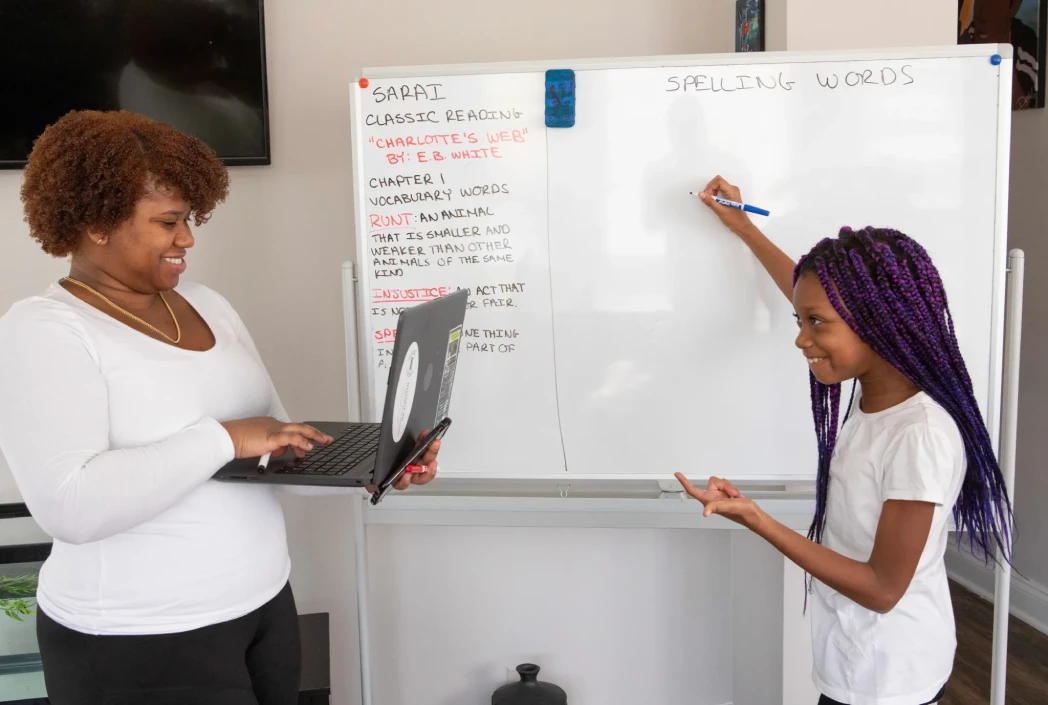
Table of Contents
Online schools keep students motivated through interactive tools and lessons, personalized teacher support, building connections, and flexible learning options. They use gamification, real-time feedback, virtual clubs, and project-based learning to create engaging experiences that help students stay focused and excited about their education.
Motivation looks different for every student. Some thrive with independence, while others need more structure and encouragement. Online schools understand this and build their programs around strategies that work for different learning styles and personalities.
1. Creating Interactive Lessons
Online schools use interactive technology to make lessons more engaging than traditional textbooks. Students learn through videos, simulations, and hands-on activities that bring concepts to life. Using rewards and rankings to turn difficult tasks into a more enjoyable experience, helping students stay motivated and engaged.
Gamification keeps students engaged:
- Students earn points and badges for completing assignments and mastering skills
- Progress bars show how far they’ve come and what’s next
- Quest-based lessons turn learning into an adventure with clear goals
- Live quizzes provide instant feedback so students know right away if they understand
Multimedia content also helps students learn in ways that match their strengths. Visual learners benefit from videos and infographics. Auditory learners can listen to recorded lessons multiple times. Kinesthetic learners engage with virtual labs and simulations that let them explore concepts hands-on.
2. Personalized Support From Teachers

Teachers in online schools provide individualized attention that helps each student succeed. They use technology to track progress and adjust their approach based on what each student needs.
Adaptive learning platforms analyze student performance in real time. If a student struggles with a concept, the system provides extra practice and support. If they master material quickly, they can move ahead without waiting for the rest of the class.
Teachers offer support in multiple ways:
- Live video sessions where students can ask questions and get immediate answers
- Detailed feedback on assignments that explains what went well and how to improve
- One-on-one conferences to discuss goals and address challenges
- Recorded lessons students can review as many times as needed
This personalized approach helps students feel seen and supported. They’re not just another face in a crowded classroom. Their teachers know their strengths, challenges, and goals.
3. Building Relationships and a Community Online
Social connections matter just as much in online school as they do in traditional classrooms. Virtual schools create intentional opportunities for students to interact, collaborate, and build friendships.
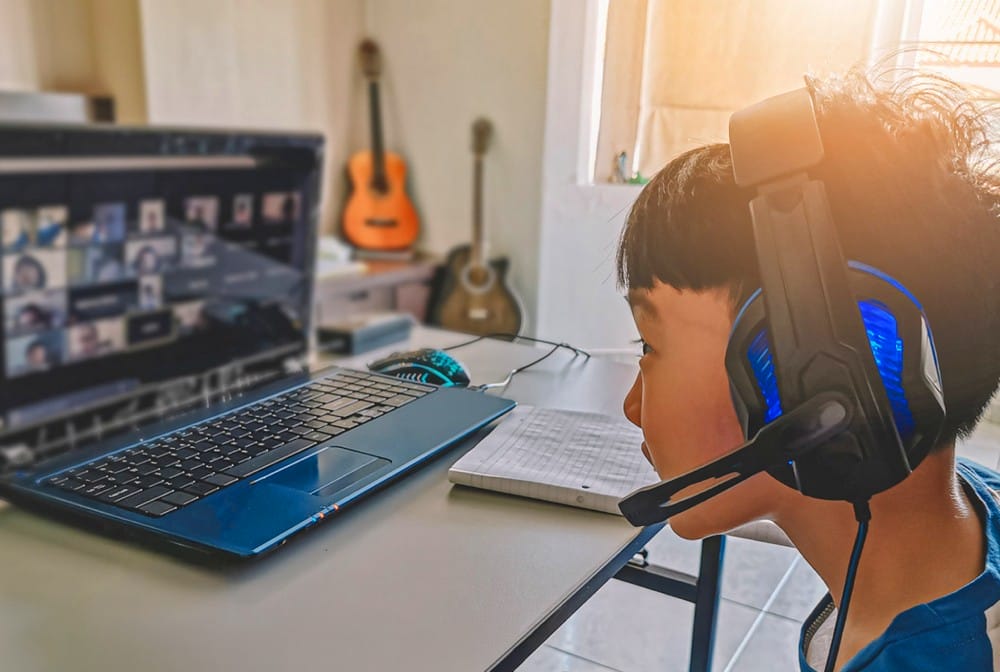
Virtual clubs let students explore interests outside of academics. Whether it’s coding, art, debate, or gaming, students can join groups where they connect with peers who share their passions. These clubs often span geographic boundaries, giving students access to a wider network of friends than they might find in a traditional school.
Collaborative projects teach teamwork while building relationships. Students work together in breakout rooms during live classes, use shared documents to brainstorm ideas, and give each other feedback on assignments. These interactions help students develop communication skills while forming genuine connections.
Online schools also create informal spaces for socializing:
- Virtual homerooms where students check in at the start of the day
- Small group work with breakout rooms for keeping students connected
- Drop-in video rooms that mimic hallway conversations
- In-person field trips and meetups for face-to-face interaction
These opportunities help students feel less isolated and more connected to their school community. Over time, they become more comfortable participating in class discussions and sharing their ideas.
4. Goal-Setting Tools to Build Independence
Online schools teach students to set goals, track progress, and take ownership of their learning. These skills keep students motivated while preparing them for future success.
- Visual progress tracking makes achievements tangible. Students can see exactly how far they’ve come and what’s left to accomplish.
- Digital dashboards show completion percentages, earned badges, and upcoming milestones. This transparency helps students stay focused and celebrate their wins along the way.
- Teachers guide students in setting SMART goals that are specific, measurable, achievable, relevant, and time-bound. Instead of vague objectives like “do better in math,” students learn to set clear targets like “master multiplication tables by the end of the month.”
Regular reflection activities help students think about their learning. After completing assignments or projects, they consider what went well and what could be improved. This metacognitive practice builds self-awareness and helps students become more effective learners over time.
5. Flexible Scheduling to Help Reduce Stress
One of the biggest motivational advantages of online school is flexibility. Students can learn at times that work best for their energy levels, family schedules, and other commitments.
Self-paced learning lets students spend more time on challenging topics without feeling rushed. If they master a concept quickly, they can move ahead instead of waiting for the rest of the class.
This personalized pacing builds confidence and reduces the frustration that comes from moving too fast or too slow.
Flexible schedules accommodate different needs:
- Students with demanding extracurricular activities can structure their day around practice and competitions
- Those with health conditions can learn during times when they feel their best
- Families with unique schedules can study early in the morning, late at night, or during weekends
- Students can balance education with family responsibilities that matter to them
This flexibility also reduces stress and anxiety. Students don’t face the pressure of keeping up with a rigid schedule or the boredom of waiting for others to catch up.
They associate learning with positive experiences and achievements rather than stress and competition. When students have control over their learning environment and schedule, they develop a healthier relationship with education.
6. Real-World Projects That Bring Learning to Life
Online schools connect academic concepts to real-world applications through project-based learning. Students work on meaningful projects that require research, collaboration, critical thinking, and problem-solving.
These projects show students why what they’re learning matters. Instead of memorizing facts for a test, they apply knowledge to solve authentic problems.
Real-world project examples:
- Designing solutions to environmental challenges in their communities
- Creating business plans for social enterprises that address real needs
- Developing apps or websites to help local organizations
- Conducting scientific research on topics that interest them
Interdisciplinary projects connect different subjects and show how knowledge works together. A single project might incorporate science, math, writing, art, and technology. This approach helps students develop a more holistic understanding and see the bigger picture.
Presenting their work to classmates and teachers builds communication skills. Students learn to explain complex ideas clearly, respond to questions, and accept feedback gracefully.
These skills prepare them for future academic and professional success while making current learning feel purposeful and engaging.
7. Recognition That Celebrates Growth
Online schools implement recognition systems that celebrate achievement while fostering a genuine love of learning. Digital badges, points, and leaderboards provide immediate feedback and acknowledgment of progress.
The most effective recognition goes beyond automated rewards. Teachers provide personalized attention that motivates students more than any point system:
- Personalized shout-outs during live classes that highlight specific achievements
- Individual messages celebrating milestones and breakthroughs
- Featured student work showcased to the broader school community
- Recognition of effort and growth, not just final results
Schools celebrate both individual and collective milestones. Virtual award ceremonies honor outstanding achievements. Student showcases give learners a platform to share their best work. Class celebrations when groups reach goals together build community and give students something to work toward as a team.
The best programs balance external rewards with intrinsic motivation. They help students develop curiosity, pursue mastery, and take pride in their growth — not just collect badges.
Recognition systems tie directly to learning objectives so students understand the educational purpose behind their achievements. This approach creates lasting motivation that extends beyond the classroom.
Finding the Right Fit for Your Child
Online schools keep students motivated through a combination of engaging technology, personalized support, social connections, flexible scheduling, relevant projects, and meaningful recognition. These strategies work together to create learning environments where students feel supported, connected, and excited about their education.
Every student is different, and what motivates one child might not work for another. The key is finding a school that understands your child’s unique needs and provides the right balance of structure, independence, and support.
As you explore your options, consider how different programs approach motivation and engagement. Understanding how online schools keep students excited about learning can help you make the best choice for your child’s success.