
 About Us
 Why K12?
 Safety Needs
 How Students Succeed
 FAQs
FAQs Online Elementary School
 Online Middle School
 Career and College Prep
 Online High School
 Student Clubs
 Career and College Services
 Inside the Online Classroom
 A Day in the Life
 Social & Extracurricular
 Advice, Tips & Inspiration
 Benefits for Life
 Enroll
 All School Options
 Need More Help?
Online school works by combining live virtual classes, independent learning, and teacher support in a flexible, home-based environment. Students attend scheduled online lessons with certified teachers, complete assignments at their own pace, and use digital tools to interact with classmates.
Parents play an active role in online school, especially for younger students. Parents help structure the day, monitor progress, and support learning at home. Depending on the program, parents can also introduce their child to in-person opportunities and encourage them to join interactive clubs and in-person events.
This blended approach gives families more flexibility while still providing a structured, comprehensive K-12 education.
For families considering online school, take a look at what online school actually looks like in practice.
What is the parent’s role in online school?
In online school, parents take on a more active role than in traditional classrooms, especially for younger students. As your child’s Learning Coach (LC), you help structure the day, keep students on track, and provide encouragement, while certified teachers handle instruction, grading, and academic support.
The LC role may include:
- Helping your child follow a daily schedule
- Making sure assignments are completed on time
- Communicating with teachers when needed
- Providing motivation and accountability
- Supporting younger students during lessons
While teachers lead instruction, parents act as day-to-day guides, helping students stay organized, engaged, and accountable. This partnership is especially important for younger learners, while older students gradually take on more independence.
What does the online school experience include?
Online school is designed to combine structured learning with flexibility. Students participate in a mix of live instruction, independent work, and interactive activities that support both academic progress and social development, including:
- Curriculum and subjects by grade level, covering core academics and electives designed to support student growth
- Live virtual classes and teacher-led instruction, where students engage in real-time lessons and discussions
- Independent assignments and self-paced learning, allowing students to build responsibility and manage their workload
- Social interaction opportunities, including clubs, group projects, and community events that help students build friendships
- Extracurricular activities and enrichment programs, such as sports, arts, and special interest groups (where available)
Together, these elements create a balanced learning experience that supports academic success while helping students stay engaged and connected.
How is online school different from traditional school?
The biggest difference is the location. Students in online schools learn from home instead of traveling to a physical building. However, online schools often offer several similarities to traditional education, including certified teachers, structured schedules, and accountability for attendance and assignments. According to the U.S. Department of Education, “students in online learning conditions, on average, performed modestly better than those receiving face-to-face instruction.”
Virtual learning offers more flexibility in pacing and scheduling. Students can often adjust their daily routine around family needs while still attending required live classes and meeting assignment deadlines.
Key differences include:
- Students work from a dedicated home learning space.
- Live classes happen through video conferencing.
- Parents take on a more active support role.
- Self-paced work allows students to review material as needed.
- Schedules can flex around family commitments.
Both online and traditional schools can provide a strong education. The right choice depends on your child’s learning style, your family’s needs, and the level of flexibility you’re looking for.
What does a typical online school day look like for students?
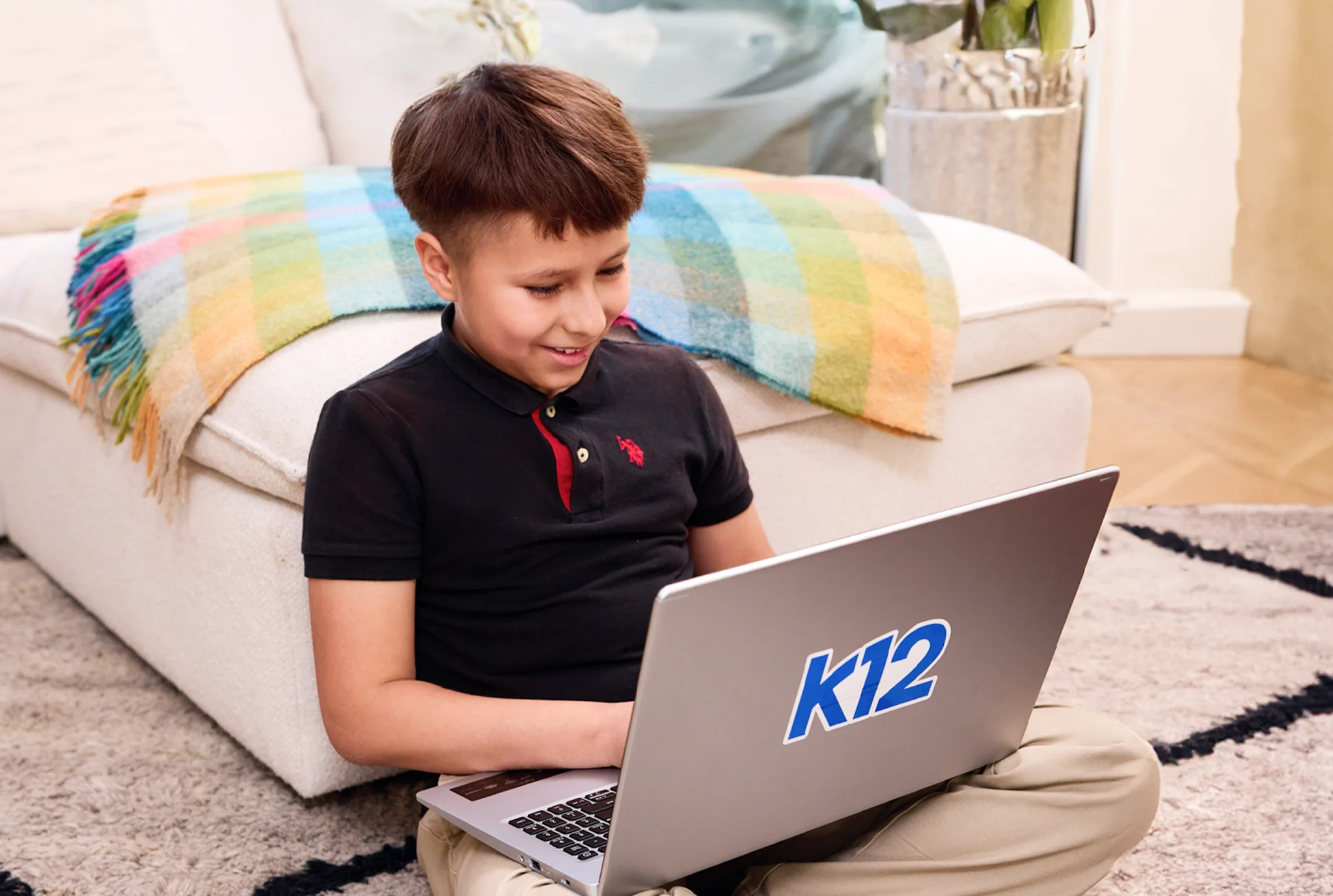
A typical online school day combines scheduled live instruction with independent work time, giving students both structure and flexibility.
Most students begin their day between 7 and 8 AM. They review their schedule, set daily goals, and log into their learning platform.
Morning typically have:
- Live virtual classes with teachers and classmates, where students participate in real-time lessons and discussions.
- Independent coursework and reading, allowing students to practice and apply what they’ve learned.
- Interactive activities and educational games, especially for younger learners.
- Short breaks for movement and snacks, helping students stay focused throughout the day.
Afternoons often feature:
- Independent assignments and study time that help students build strong online learning habits.
- One-to-one support from teachers, where students can ask questions and personalized help.
- Elective courses that allow students to explore interests, such as art, music, or technology.
- Extracurricular clubs and activities, giving students opportunities to connect with peers outside of class.
While every program is a little different, most online school days are designed to balance structured instruction with flexible learning time. This allows students to stay engaged academically while building independence, managing their schedule, and participating in activities that support both learning and social connections.
How do teachers support students in online school?

In online school, certified teachers play an active role in guiding student learning. They lead live instruction, provide feedback on assignments, and offer personalized support to help students stay on track and succeed academically.
Teachers connect with students in a variety of ways, including:
- Leading live virtual classes, where students receive real-time instruction and can ask questions.
- Providing feedback on assignments, helping students understand their progress..
- Offering one–to–one support when needed, through virtual meetings, messaging, or additional help sessions.
- Monitoring student progress and engagement, ensuring students stay on track with their coursework.
- Communicating regularly with parents, especially for younger students who need more support at home.
This level of support helps ensure that students are not learning on their own. Instead, they benefit from consistent guidance, feedback, and encouragement, creating a structured learning environment that supports both academic growth and confidence.
What do parents need to do?
In online school, parents support their child’s learning by helping create structure, encouraging participation, and staying involved in their progress.
For practical strategies, explore ways to help your child succeed in online school.
What technology do you need for online school?
Most online schools are designed to be accessible with basic technology. In most cases, families only need a reliable internet connection and a standard device to get started.
Essential equipment often includes:
- A reliable internet connection, so students can attend live classes and access materials.
- A computer or tablet, depending on program requirements.
- A webcam and microphone, often built into most devices for class participation
- Access to a learning platform where students view lessons, submit assignments, and communicate with teachers.
Many programs provide guidance or support to help families set up their learning environment, making it easier to get started.
Is online school the right fit for your family?
Online school can be a strong fit for families who value flexibility, personalized learning, and a more adaptable daily schedule. It’s especially beneficial for students who thrive in a structured yet flexible environment or need a different approach than what traditional classrooms offer.
At the same time, it’s important to consider your child’s learning style, your availability to provide support, and how comfortable your family is with a technology-based learning environment.
Explore K12-powered online school options available in your state and see if it’s the right fit for your family.
Common Questions About How Online Learning Works
Is online school as effective as traditional school?
Yes. Online schools use accredited curriculum and employ state-certified teachers. They must meet the same educational standards as traditional schools. Just like traditional schools vary, the quality of an online school depends on the specific program.
How much does online school cost?
Tuition-free public online schools are available in several U.S. states at no cost to families. The primary expense is internet service. Private online schools charge tuition that varies by program.
Can students receive special education services in online school?
Online schools provide special education services and implement individualized education plans (IEPs) virtually. Specialized coordinators work with teachers to ensure appropriate accommodation and support.
Do I need to be a teacher to be a Learning Coach?
No. Learning Coaches don’t teach content. Your role focuses on support, organization, and motivation. Schools provide resources and training to help you succeed.
Do online students follow a daily schedule?
Yes, most online students follow a structured daily schedule. While programs offer some flexibility, students typically attend scheduled live classes, complete assignments, and participate in activities throughout the day.
Can students make friends in online school?
Yes, students can build meaningful friendships in online school. Through live classes, group projects, clubs, and virtual activities, students interact regularly and form connections over time.