 About Us
 Why K12?
 Safety Needs
 How Students Succeed
 FAQs
FAQs Online Elementary School
 Online Middle School
 Career and College Prep
 Online High School
 Student Clubs
 Career and College Services
 Inside the Online Classroom
 A Day in the Life
 Social & Extracurricular
 Advice, Tips & Inspiration
 Benefits for Life
 Enroll
 All School Options
 Need More Help?
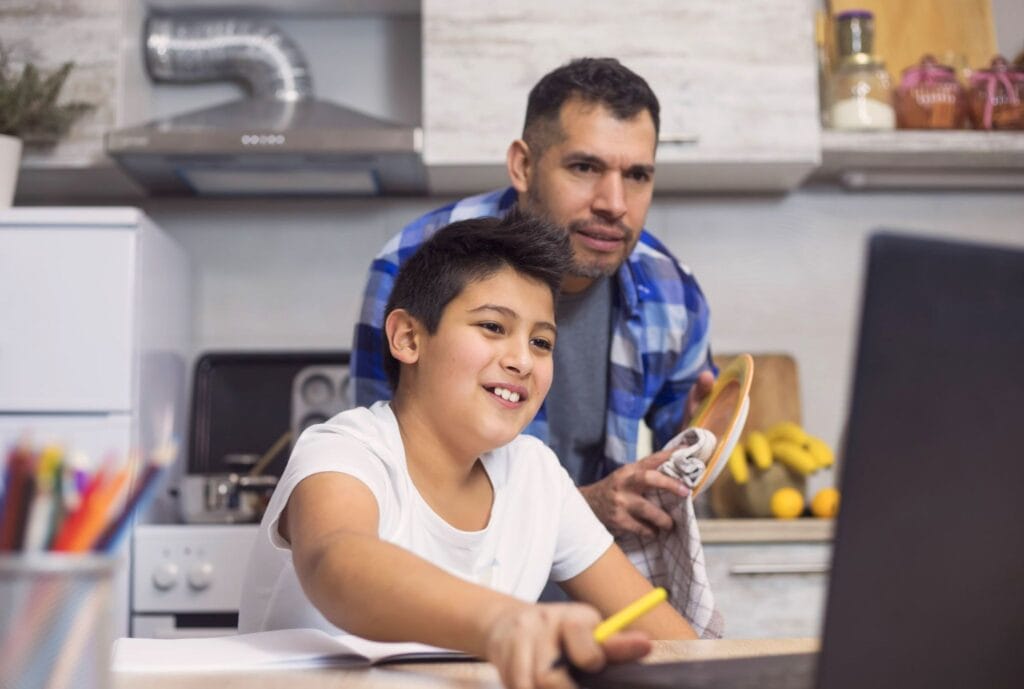
Helping your child succeed in online school starts with understanding your role as a Learning Coach. You’re not expected to teach—that’s what certified teachers are for. Your job is to provide structure, support, and encouragement while your child learns.
Success in online school comes down to a few key elements:
- Creating a dedicated learning space
- Establishing consistent routines
- Staying connected with teachers
- Supporting your child’s social and emotional needs
With the right approach, you can help your child thrive in this flexible learning environment. The good news? You don’t need to be an expert in every subject. You just need to be present, organized, and willing to partner with your child’s teachers. Let’s explore essential ways you can make online learning work for you and your family.
What does it mean to be a Learning Coach?
As a Learning Coach, you help your child stay organized and on top of their schoolwork. You’ll check in on their progress, help them manage their schedule, and communicate with teachers when needed. Think of yourself as a guide and cheerleader, not a substitute teacher.
Teachers handle the instruction through live online classes and recorded lessons. They grade assignments, provide feedback, and answer academic questions. Your role is to create a structured environment to help your child engage with their learning effectively.
The time commitment varies by grade level. Younger students need more hands-on support throughout the day. Middle schoolers need less direct supervision but still benefit from regular check-ins. High schoolers work more independently but still need you available for support and accountability.
How to Create an Effective Learning Space
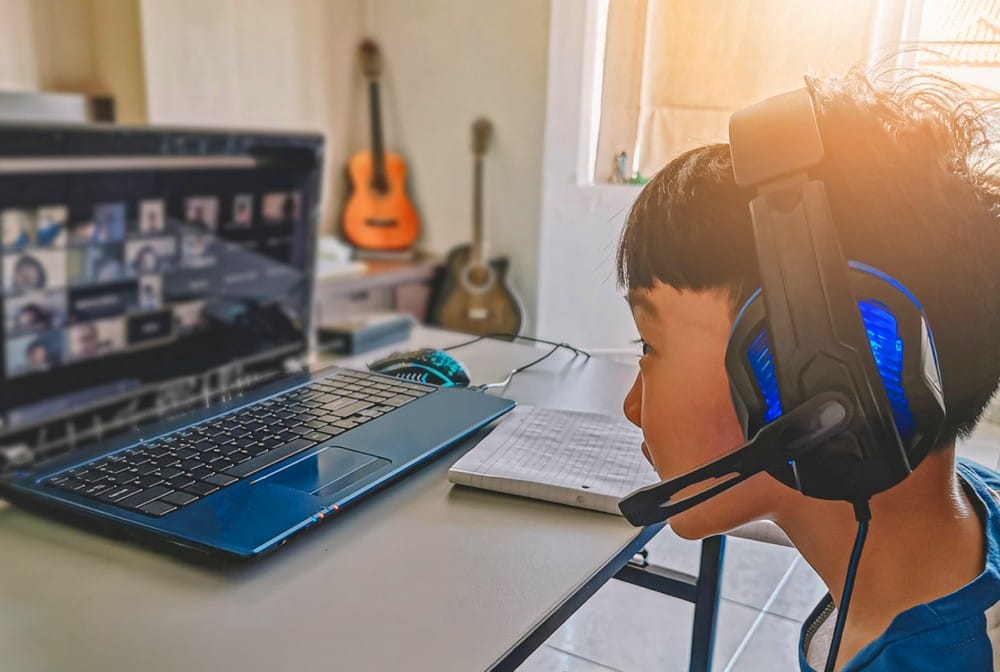
Your child needs a dedicated space for learning that’s free from distractions. This doesn’t have to be a separate room—just a consistent spot where they can focus. The key is making it comfortable, organized, and equipped with everything they need.
Essential elements for an effective learning space include:
- Reliable internet connection and working computer
- Comfortable seating with good posture support
- Adequate lighting to reduce eye strain
- Organized supplies within easy reach
- Minimal distractions like TV or gaming devices
Why are routines and schedules important?

Consistency helps your child know what to expect each day. This structure reduces stress and helps them develop good habits. Start with regular wake-up times, designated learning hours, and consistent break schedules.
Build your routine around your child’s live class sessions and assignment deadlines. Include time for breaks, meals, and physical activity. Post the schedule somewhere visible so your child can reference it independently. Adjust as needed but maintain consistency once you find what works.
How should you communicate with teachers?
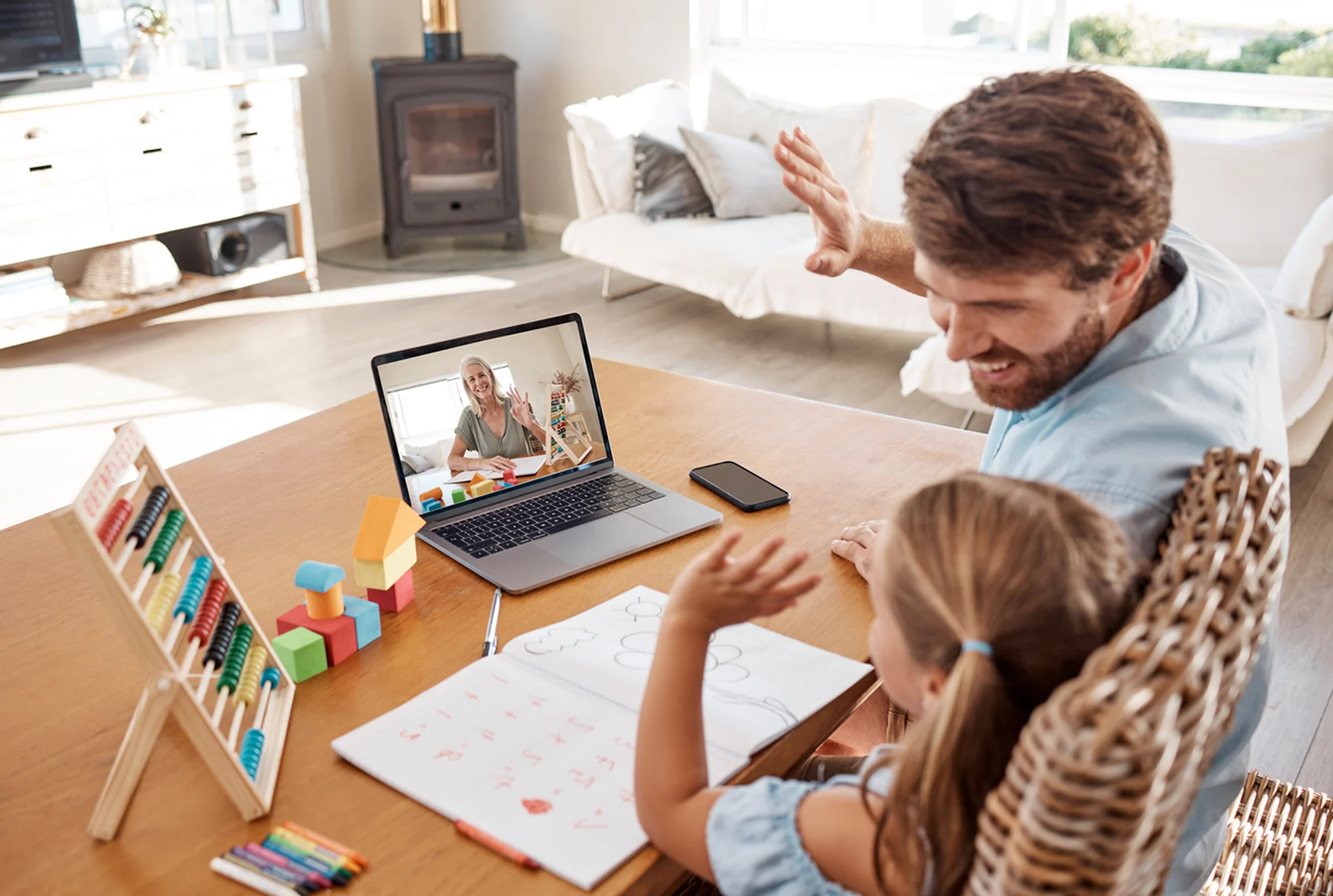
Regular communication with teachers helps you stay informed about your child’s progress. Reach out when you notice your child struggling with a concept, falling behind on assignments, or showing signs of stress. Teachers can provide additional resources, adjust pacing, or offer extra support.
Most online schools provide multiple ways to connect with teachers, including email, phone calls, messaging platforms, and virtual office hours. Regular check-ins help keep parents and teachers aligned on a student’s progress and learning goals. Share insights about your child’s learning style and any challenges they’re facing at home. This partnership helps teachers personalize their support.
How do you keep your child motivated?
Motivation comes from celebrating progress and making learning feel rewarding. Acknowledge effort, not just grades. Break large projects into smaller milestones and celebrate each completion. Help your child see how their learning connects to their interests and goals.
Watch for signs of burnout, such as resistance to logging in or declining work quality. When motivation dips, take breaks, switch up the routine, or let your child pursue passion projects. Remember that some days will be harder than others—that’s normal. Focus on consistency over perfection.
How do you manage technology and screen time?
Online learning requires screen time, but balance is important. Encourage your child to take regular breaks to rest their eyes and move around. A common guidance recommended by eye care professionals is the 20-20-20 rule: every 20 minutes, look at something about 20 feet away for at least 20 seconds. Building time for offline activities like reading physical books, hands-on projects, or outdoor play can also help create a healthy balance.
Set clear boundaries around recreational screen time versus learning time. Teach your child about digital citizenship, including online safety, respectful communication, and protecting personal information. Help them understand that their online behavior in school spaces should be polite and appropriate.
How to Support Social and Emotional Needs
Online school offers social opportunities through virtual clubs, group projects, and live class discussions. Encourage your child to participate in these activities. Many schools also host in-person events, field trips, and meetups where students can connect face-to-face.
Pay attention to your child’s emotional well-being. Check in regularly about how they’re feeling about school and friendships. If your child seems isolated or anxious, talk with their teachers about additional support options. Remember that building connections takes time, especially in a virtual environment.
Ready to help your child thrive in online school?
Supporting your child in online school doesn’t require perfection—it requires presence. Focus on creating structure, maintaining open communication with teachers, and staying attentive to your child’s needs. Small, consistent efforts can make a meaningful difference in your child’s learning experience.
Every family’s online school journey looks a little different. What works for one child might not work for another, so stay flexible, celebrate progress, and don’t hesitate to reach out for support when you need it.
K12-powered schools provide experienced teachers, structured programs, and helpful tools designed to support students and parents. You’ve got this, and K12 will be with you every step of the way!
Explore K12 online school options.
Frequently Asked Questions
How much time do I need to spend helping my child each day?
It depends on your child’s age and independence level. Elementary students typically need 4–6 hours of support daily. Middle schoolers need 1–3 hours, while high schoolers often work independently with occasional check-ins.
What if I don’t understand the material my child is learning?
You don’t need to understand every subject. Teachers are there to provide instruction and answer academic questions. Your role is to help your child stay organized and reach out to teachers when they need help.
How do I know if my child is falling behind?
Check your school’s learning management system regularly for grades and teacher feedback. Watch for signs like incomplete assignments, declining participation in live classes, or your child expressing frustration about not understanding the material.
Can I work full time and still support my child in online school?
Many families make it work, especially with older students who need less supervision. Consider flexible work arrangements, coordinating schedules with a partner, or exploring your school’s flex program options if available.