 About Us
 Why K12?
 Safety Needs
 How Students Succeed
 FAQs
 Online Elementary School
 Online Middle School
 Career and College Prep
 Online High School
 Student Clubs
 Career and College Services
 Inside the Online Classroom
 A Day in the Life
 Social & Extracurricular
 Advice, Tips & Inspiration
 Benefits for Life

 Enroll
 All School Options
 Need More Help?
Different Types of Learning Environments: A Guide
Compare physical, online, and hybrid learning environments and their benefits for your child. See why online school is a popular choice for families.

Table of Contents
A learning environment includes the physical space, emotional atmosphere, and instructional approach that shape how students learn. These elements work together to influence student engagement, academic growth, and overall educational experiences.
The Learning Environment Dimensions
Three primary dimensions structure all learning environments. Together, these dimensions create the conditions where students learn and grow.
Physical Environment
The physical environment includes the overall design and layout of learning spaces, furniture, materials, and resources. This matters because physical elements directly affect student performance and well-being.
Physical elements include:
- Natural light
- Temperature
- Air quality
- Acoustic design
- Flexible furniture arrangements that support different activities
- Accessible materials and resources within student reach
- Technology and assistive devices that support diverse learners
Clean, safe spaces with appropriate materials positively impact children’s development. The physical environment acts as a “third teacher,” influencing learning through how students experience and interact with space.
Psychological Environment
The psychological environment encompasses all psychological and social factors involved in learning. This dimension includes:
- Relationships between students and teachers
- The level of support students receive
- How safe students feel taking risks
Psychological safety is essential for learning. When students feel supported to take risks, make mistakes, and voice their perspectives without fear, their brains are primed for learning. Conversely, stress and anxiety block the brain’s ability to process new information.
Psychological factors include:
- Teacher support and responsiveness to individual needs
- Student involvement, interest, and sense of belonging
- Group cohesiveness and mutual respect among peers
- Clear expectations and organized learning activities
Emotional Environment
The emotional environment represents the affective climate and culture that shape how students engage with learning. When students feel valued, respected, and emotionally supported, they are more likely to love school and learn more.
Creating positive emotional climates requires nurturing relationships, cultural responsiveness, and spaces where students see themselves reflected. Family pictures, diverse materials, and displays of student work help students feel ownership and belonging in their learning environment.
What are the different ways to teach students?
Beyond environmental dimensions, learning environments differ in how instruction is delivered. Three primary models serve different student needs and circumstances.
Face-to-Face Traditional Environments
Traditional classrooms bring students and teachers together in physical spaces at scheduled times. This model offers several benefits:
- Immediate feedback: Students can ask questions and receive real-time guidance.
- Structured routines: Set schedules and classroom expectations help students stay on track.
- Social interaction: Students build communication skills by working with teachers and classmates.
- Hands-on learning: Physical materials and group activities provide opportunities for practical learning.
Face-to-face instruction works well for students who thrive on routine and external structure, younger learners who benefit from consistent environments, and subjects requiring hands-on practice with physical materials. Built-in accountability and social connections can further support students’ learning and development.
Online Virtual Environments
Online learning delivers education through digital platforms, offering flexibility in when and where learning occurs. This model includes both synchronous learning with live instruction and asynchronous learning where students work at their own pace.
Online learning produces outcomes comparable to traditional instruction. On average, students in online learning performed modestly better than those receiving face-to-face instruction.
Online learning advantages include:
- Flexibility to learn from any location and often choose when to complete work
- Personalized pacing where students can pause, review, and progress at their own speed
- Accessibility for students in remote areas or with mobility challenges
- Reduced distractions and comfortable learning environments for many students
- One-on-one teacher support through messaging and video conferences
Online environments particularly support students with diverse needs. Students can rewatch lessons for extra help, work during their peak learning times, and access specialized courses not available locally. K12-powered schools combine this flexibility with state-certified teachers and comprehensive support systems.
Hybrid and Blended Learning Environments
Hybrid and blended models combine online and in-person instruction, but they differ in how learning is delivered:
- Hybrid learning: Students alternate between attending classes in person and learning remotely.
- Blended learning: Students attend in-person classes that incorporate online lessons and activities.
These approaches combine flexibility with structure, offering benefits of both delivery models. For example, students may:
- Complete self-paced online work to build foundational knowledge.
- Participate in collaborative projects and hands-on activities during in-person sessions.
- Positively impact achievement by combining the strengths of different instructional methods.
Types of Pedagogical Approaches
Learning environments also differ in their pedagogical approaches, the teaching philosophies, strategies, and methods educators use to support learning.
These approaches shape how lessons are delivered, how students participate, and how teachers help students build knowledge and skills.
Learner-Centered Environments
Learner-centered environments place students at the heart of the educational experience. Students have significant control over their learning pace, methods, and often the topics they study. Teachers act as facilitators who support students throughout the learning process.
Key characteristics of learner-centered environments include:
- Student choice: Students have a say in their learning pace, methods, and topics.
- Self-directed learning: Students actively guide their education.
- Facilitator-led instruction: Teachers provide guidance, resources, and support rather than directing every activity.
Examples of learner-centered approaches include:
- Montessori education: Uses multi-age classrooms, hands-on materials, and self-directed learning within prepared environments.
- Project-based learning: Engages students in investigating complex, real-world questions over extended periods.
Learner-centered approaches can promote student engagement, deeper understanding, and problem-solving skills. Students also have opportunities to develop independence, intrinsic motivation, and responsibility for their own learning.
Knowledge and Assessment Focused Environments
Knowledge-centered environments focus on helping students develop deep understanding and mastery rather than surface-level memorization. These environments emphasize learning that builds understanding and enables students to transfer knowledge to new situations.
Assessment-centered environments integrate ongoing formative assessment throughout instruction. Key elements include:
- Ongoing assessment: Teachers continuously gather evidence of student understanding.
- Timely feedback: Teachers provide constructive feedback that guides improvement.
- Responsive instruction: Teachers adapt instruction through differentiated instruction to help all students progress toward learning goals.
Community-Centered Environments
Community-centered environments recognize that learning is fundamentally social. These environments emphasize:
- Collaborative learning
- Peer interaction
- Connections between the classroom and community
Experiential learning, learning through direct experience and reflection, is central to community-centered approaches. Examples include:
- Outdoor education
- Service learning
- Projects addressing real community needs
Students see the relevance of their learning and develop practical skills alongside academic knowledge. Outdoor education specifically boosts creativity and problem-solving while improving academic performance. Learning in natural environments promotes physical health, mental wellbeing, and environmental stewardship while building collaboration skills through group challenges.
Choosing the Right Learning Environment for Your Student
Selecting the best learning environment requires thoughtful consideration of your child’s characteristics and your family’s circumstances.
Consider these factors:
- Learning preferences: Does your child learn best through visual demonstrations, hands-on activities, or independent work?
- Response to structure: Does your child thrive with external routine or can they self-motivate with flexible scheduling?
- Social needs: Does your child flourish in large groups or prefer smaller connections?
- Pacing requirements: Does your child need acceleration or benefit from extended time?
- Family circumstances: What are your work schedules, ability to provide support, and educational values?
Remember that this decision isn’t permanent. Children’s needs change as they develop, and learning environments can be adjusted accordingly. The goal is finding an environment where your child feels safe, engaged, appropriately challenged, and supported.
If you’re considering online learning, explore K12-powered schools that combine personalized instruction with certified teachers and comprehensive support. These programs offer the flexibility and individualized attention that help diverse learners thrive while maintaining academic rigor and opportunities for social connection.
Finding the Environment Where Your Student Thrives
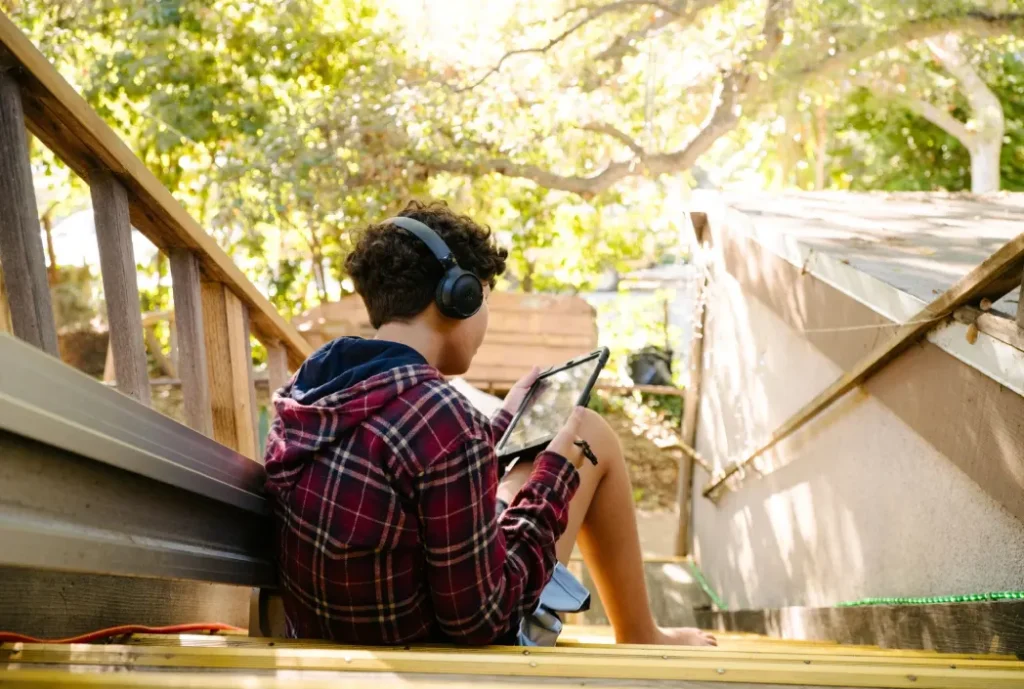
Learning environments encompass physical spaces, psychological safety, emotional climate, instructional delivery methods, and pedagogical approaches. As you consider options for your student, think about how different environments address the physical, psychological, and emotional dimensions of learning.
Look for programs that match your child’s pacing needs, learning style, and social preferences while providing the support necessary for success. Explore online school options that match your child’s needs, then take the next step toward enrollment.