 About Us
 Why K12?
 Safety Needs
 How Students Succeed
 FAQs
FAQs Online Elementary School
 Online Middle School
 Career and College Prep
 Online High School
 Student Clubs
 Career and College Services
 Inside the Online Classroom
 A Day in the Life
 Social & Extracurricular
 Advice, Tips & Inspiration
 Benefits for Life
 Enroll
 All School Options
 Need More Help?
How to Build Self-Discipline in Online Learning
Explore strategies for building self-discipline in students. Get tips to help students stay focused, manage responsibilities, and succeed in online school.
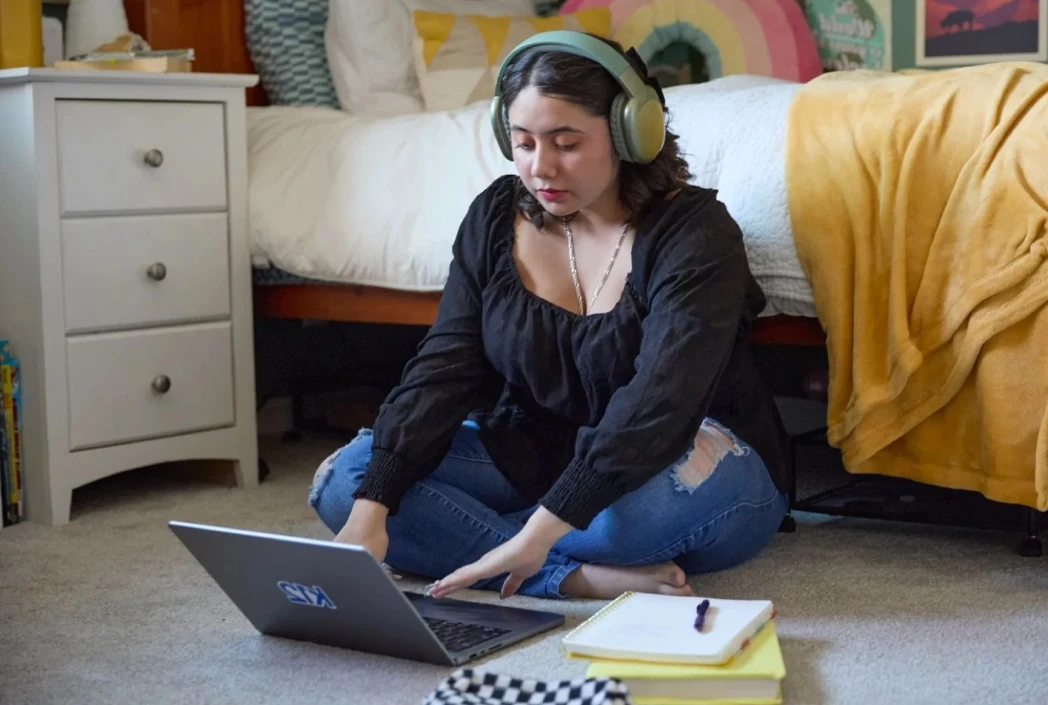
Table of Contents
A typical day for an online student requires more self-discipline than traditional classroom learning. Without a teacher standing nearby to redirect attention, students must manage their own schedules, resist distractions at home, and stay motivated independently. The good news? Self-discipline is a skill you can develop with the right strategies and support.
If your child is struggling to stay focused during online learning, you’re not alone. Many families face this challenge. This guide offers strategies to help K–12 students build the self-discipline they need to succeed in virtual learning environments.
Why Self-Discipline in Online Learning Matters
Self-discipline in online learning means the ability to control your thoughts, emotions, and actions to achieve learning goals without a teacher physically present. It’s the inner strength that helps students stay focused and motivated when learning from home.
For K-12 virtual students, self-discipline includes setting clear study times, resisting distractions like social media and video games, and sticking to consistent routines. Students who develop strong self-regulation skills are better equipped to manage time independently, set personal learning goals, and adjust strategies when facing difficulties.
Grade level expectations:
- Elementary students (K–5): Need significant adult support and supervision. Most children don’t develop true self-control until ages 7–9.
- Middle schoolers (6–8): Can manage 30 to 45 minutes of independent work but still need parental oversight and help breaking large projects into steps.
- High schoolers (9–12): Should develop mature self-discipline skills but still benefit from accountability check-ins and support with long-term planning.
Understanding these developmental differences helps parents set realistic expectations and provide appropriate support at each stage.
Strategies to Build Self-Discipline
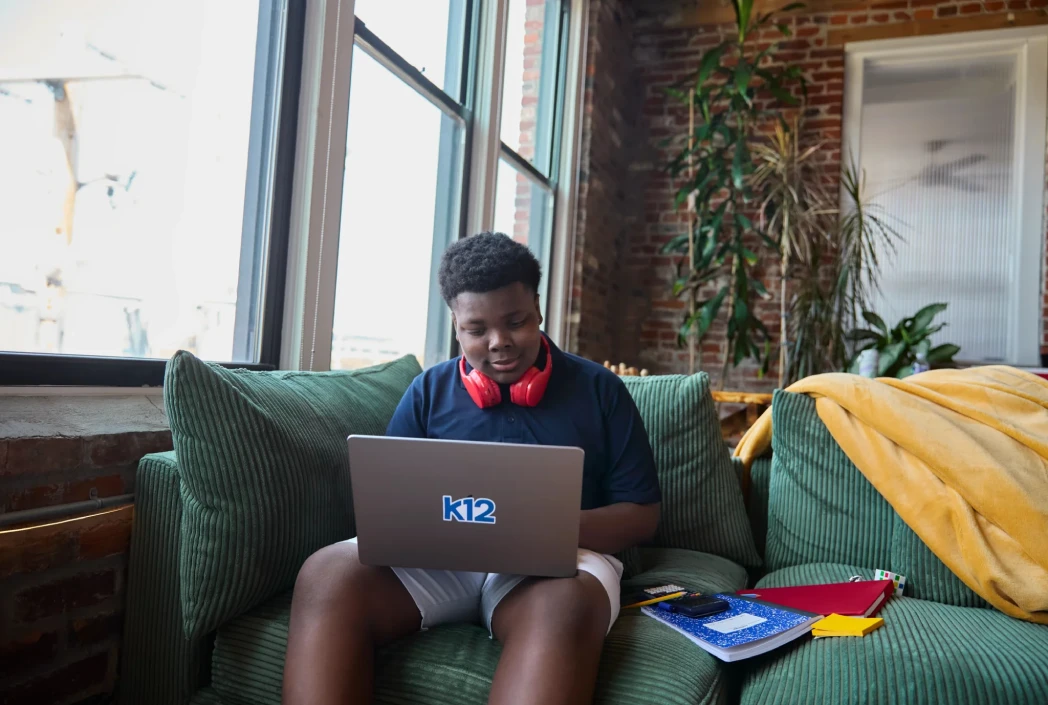
Structure and routines are the building blocks for developing self-discipline. When children know what to expect, their anxiety decreases, and their ability to focus improves.
Establishing a Consistent Daily Routine
Create a daily schedule with specific start times, regular breaks, and designated periods for different subjects. Consistency creates a sense of normalcy that helps children feel secure and stay on track.
What makes an effective routine:
- Set specific start and end times for the school day
- Include 15-minute movement breaks every hour
- Schedule the most challenging subjects when energy is highest
- Build in time for lunch and snacks
- Create an end-of-day review ritual
Use visual schedules for younger students. Paper calendars, dry-erase boards, or digital tools help students see their daily tasks and build time-management skills.
Design a Dedicated Learning Space
A well-designed learning space enhances concentration and motivation. Choose a low-traffic area with good natural light, minimal noise, and enough privacy for class discussions.
Essential items include:
- Ergonomic furniture at the proper height
- Strong Wi-Fi connection or Ethernet cable
- Organized storage for supplies and materials
- Good lighting that doesn’t create screen glare
- Minimal visual clutter and distractions
Let students personalize their space with a few meaningful items, but keep the focus on functionality. The space should signal “school mode” when they enter it.
Setting Clear Boundaries
When home becomes both classroom and living space, boundaries become essential. The dedicated learning space itself serves as a physical boundary. When students enter it, they shift into school mode. When they leave at day’s end, they transition back to home mode.
Establish clear start and end times for the school day. Avoid multitasking during school hours. Communicate with family members about when school is in session so everyone respects these boundaries. This separation helps prevent burnout and maintains a healthy work-life balance.
Time Management
Online learning requires students to take more ownership of their time. These practical strategies help students manage their schedules effectively.
- Using planners and digital calendars: Choose one organizational tool and use it consistently. Google Calendar works well for older students, while picture-based schedules work well for younger learners. Check the school’s learning management system daily and transfer important dates to your planner.
- Breaking assignments into manageable tasks: Large projects feel overwhelming. Teach students to work backward from the due date, creating steps for each component.
- Implementing focus techniques like Pomodoro: This method involves working with complete focus for 25 minutes, then taking a 5-minute break. After four sessions, take a longer 15-30 minute break. Adjust timing for younger students—10-15 minute work sessions work better for elementary ages. Use visual timers so students can see time passing.
- Prioritizing tasks and managing deadlines: Teach students to identify 1 or 2 must-do tasks each day. Complete high-priority work first when energy is highest. Use the ABCDE method: label tasks as A (must do today), B (should do soon), C (could do when time allows), D (delegate or ask for help), and E (eliminate). This teaches that not everything needs immediate attention.
Track estimated versus actual time for tasks. This helps students make more realistic schedules and understand how long assignments truly take.
Building Self-Discipline Through Goal Setting
Goals provide direction that makes self-discipline possible, while accountability systems keep students on track.
- Setting realistic, achievable goals: Use the SMART framework. Goals should be Specific (exactly what to achieve), Measurable (track progress), Achievable (realistic based on abilities), Relevant (connected to interests), and Time-bound (clear deadline).
- Instead of “get better at math,” try “correctly solve 8 out of 10 multiplication problems during daily practice by the end of this month.” Age matters—younger students need daily or weekly goals, while high schoolers can work toward semester-long objectives.
- Creating accountability systems: Combine parent involvement, self-monitoring, and teacher check-ins. Parents should establish regular check-in times to review progress without micromanaging. Ask open-ended questions like “What went well today?” and “What was challenging?”
- Students can use checklists to track daily tasks, goal-tracking charts for larger objectives, and self-assessment forms to reflect on work quality. Regular communication between parents and teachers ensures everyone works together to support the student.
- Using positive reinforcement: Focus on effort and progress rather than just outcomes. Specific praise works best: “You stayed focused for 20 minutes without getting distracted — that shows real self-control.” Celebrate milestones when students achieve significant goals, but avoid rewards that create dependency on external validation.
- Teaching self-monitoring: Help students observe their own behaviors and make adjustments. They can use self-talk strategies like “I can do this if I break it into steps” or self-questioning: “Am I on task?” “Do I understand this?” “What do I need to do next?”
Gradually reduce external reminders as students demonstrate they can manage responsibilities independently. The goal is developing internal discipline, not permanent dependence on parent oversight.
Supporting Your Student’s Journey to Self-Discipline
Developing self-discipline is a gradual process that requires patience from both parents and students. Remember that setbacks are part of learning. A forgotten assignment doesn’t mean failure — it means your child is still developing these important skills.
Model the behavior you want to see. When children watch parents maintain routines, manage time effectively, and demonstrate self-control, they learn powerful lessons. Share your own goals and strategies for staying disciplined.
Start with one or two strategies that feel manageable. Let them become habits before adding more. The most successful approach combines structure with flexibility, external support with growing independence, and clear expectations with room for mistakes.
With consistent support and the right strategies, students can develop self-discipline that serves them throughout their education and beyond. Online learning presents unique challenges, but it also offers opportunities for students to build the independence and self-management skills they’ll need for future success.
Find a School That Fits Your Child
Give your child the support and structure they need to grow into a confident, independent learner. Explore K12 online schools and find an option that fits your child’s learning needs and your family’s goals.