 About Us
 Why K12?
 Safety Needs
 How Students Succeed
 FAQs
FAQs Online Elementary School
 Online Middle School
 Career and College Prep
 Online High School
 Student Clubs
 Career and College Services
 Inside the Online Classroom
 A Day in the Life
 Social & Extracurricular
 Advice, Tips & Inspiration
 Benefits for Life
 Enroll
 All School Options
 Need More Help?
School Readiness Checklist
Get our complete school readiness checklist covering essential kindergarten skills. Assess your child’s readiness with this printable guide for parents.
Table of Contents
Kindergarten readiness spans five key areas: social emotional skills, like managing emotions and cooperating with peers; early literacy skills, like recognizing letters and understanding print; basic math skills, like counting to 20 and identifying shapes; motor skills, like using a pencil grip and hopping on one foot; and self-care skills, like independently managing bathroom routines, lunch, and backpacks. Every child develops at their own pace, and this checklist is meant to guide preparation, not create pressure.
Skills Your Child Needs for Success
A school readiness checklist helps parents assess whether their child has developed the essential skills needed for kindergarten. Most children entering kindergarten should demonstrate basic social emotional abilities, early academic foundations, physical coordination, and self-care independence. This checklist serves as a supportive assessment tool to identify areas where your child may benefit from extra practice before the first day of school.
Every child develops at their own pace. This checklist is designed to guide preparation, not create pressure. Kindergarten teachers are prepared to meet children where they are and help them grow throughout the year. If you’re exploring kindergarten options that offer personalized pacing to match your child’s unique development, learn more about kindergarten programs designed to support every learner.
Social Emotional Skills
Social emotional skills are often the strongest predictors of kindergarten success. Children who can manage their emotions and interact positively with peers are better positioned to engage in learning.
Emotional Regulation and Self-Control
Your child should be developing the ability to manage frustration, follow two- to three-step directions, and wait for short periods without major distress. Five-year-olds are still learning these skills, so occasional meltdowns are normal. The goal is building a toolkit of strategies they can increasingly use independently.
Observable behaviors include:
- Identifies and names basic emotions like happy, sad, angry, and frustrated
- Uses calming strategies when upset, such as taking deep breaths or asking for help
- Waits 5–10 minutes for a turn without prolonged tantrums
- Transitions between activities with minimal resistance when given a warning
- Pays attention for 5–10 minutes during structured activities like story time
Activities to build these skills: Play games like Red Light Green Light, Freeze Dance, and Simon Says that require impulse control. Practice deep breathing with bubbles or pinwheels. Create a calm-down space with soft pillows and comfort items where your child can go when overwhelmed.
Social Interaction and Cooperation
Kindergarteners need to share materials, play cooperatively with peers, and express needs appropriately. Your child should be moving beyond parallel play into cooperative play where they work together toward shared goals.
Observable behaviors include:
- Initiates play with peers and invites others to join activities
- Takes turns during games and shares toys, even if reluctantly at times
- Uses words to express needs rather than grabbing or hitting
- Shows empathy when others are upset
- Participates in group activities without constant adult prompting
Activities to build these skills: Arrange supervised playdates with one or two peers. Play board games that require turn-taking. Use stuffed animals to role-play social scenarios like asking for a turn or resolving conflicts. Practice phrases like “Can I play with you?” and “Can I have a turn when you’re done?”
Academic and Cognitive Skills for Kindergarten
Children do not need to be reading or doing math before kindergarten. The focus should be on building foundational skills that prepare them to learn these subjects in school.
Getting Ready to Read
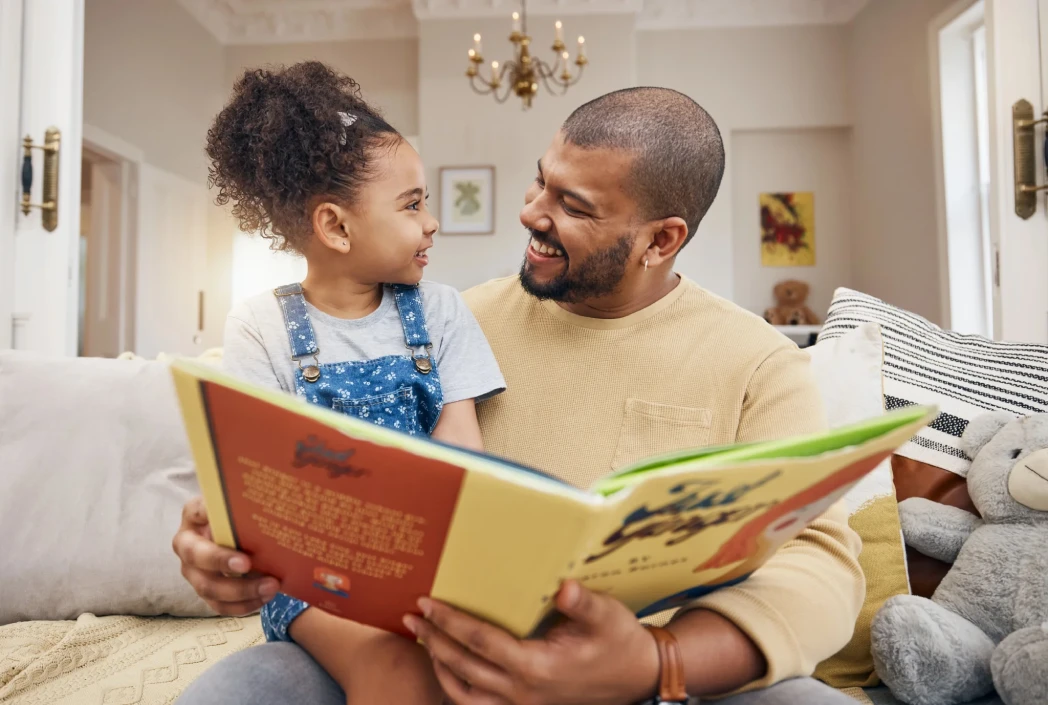
Your child should show awareness of letters and sounds, though they don’t need to know all of them. Most kindergarteners can recognize letters from their own name and understand that print carries meaning.
Skills to practice:
- Recognizing some uppercase and lowercase letters, especially those in their name
- Understanding that letters make sounds
- Identifying rhyming words and beginning sounds
- Holding a book correctly and following text from left to right
- Distinguishing print from pictures
Fun activities: Play “I Spy First Sounds” by finding objects that start with specific sounds. Read alphabet books together and point out letters in your child’s environment. Create rhyming games during car rides. Make letters with playdough or draw them in sand.
Math and Recognizing Numbers
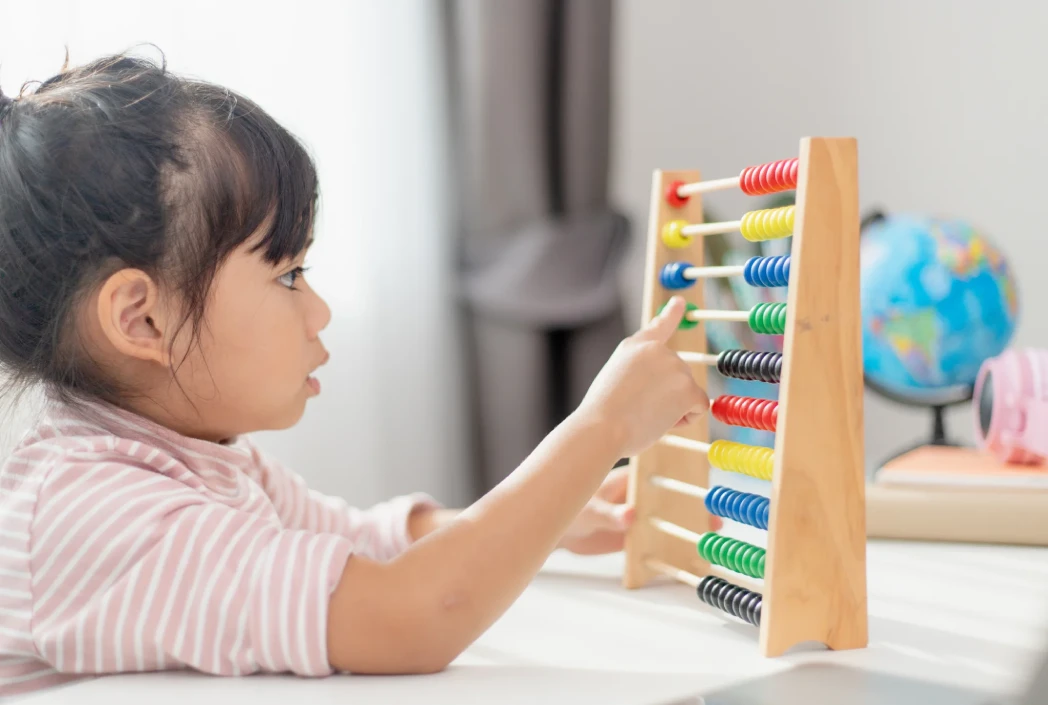
Five-year-olds should be able to count to at least 20, recognize some numerals, and identify basic shapes. Formal addition and subtraction will be taught in kindergarten.
Skills to practice:
- Counting objects up to 20 with one-to-one correspondence
- Recognizing numerals up to 20
- Identifying basic shapes like circles, squares, triangles, and rectangles
- Sorting objects by color, shape, or size
- Recognizing and creating simple patterns
Fun activities: Count stairs as you climb them. Point out numbers on signs and license plates. Create patterns with household items like spoons and forks. Sort laundry by color. Build with blocks and discuss the shapes you’re using. Compare quantities at snack time.
Physical Development and Motor Skills
Physical skills support academic success by enabling children to write, use classroom materials, and participate in activities independently.
Fine motor skills needed:
- Using a three-fingered pencil grip
- Cutting along lines with scissors
- Buttoning some buttons independently
- Managing zippers on jackets and backpacks
- Using utensils to eat without excessive spilling
Gross motor skills needed:
- Hopping on one foot
- Running, jumping, and skipping with coordination
- Catching a ball with hands only
- Balancing on one foot for several seconds
- Climbing playground equipment confidently
Activities to strengthen motor skills: Provide playdough, crayons, and scissors for creative play. String large beads or use clothespins to build hand strength. Practice buttoning shirts and zipping jackets. Play hopscotch and jump rope. Throw and catch balls of different sizes. Visit playgrounds regularly for climbing and swinging practice.
Self-Care and Being Independent
Kindergarten teachers cannot assist every child with personal care tasks, so independence in these areas is essential.
Bathroom independence: Your child must complete the entire toileting routine independently, including pulling clothing down and up, wiping properly, flushing, and washing hands thoroughly. Practice this complete sequence at home until it becomes second nature.
Lunch management: Children need to open containers, milk cartons, and snack packages without help. Practice with the actual containers you’ll send to school. Build hand strength through activities like playdough, Legos, and stretching balloons.
Organizational skills: Your child should be able to manage their backpack, follow multi-step routines, and keep track of belongings. Create a backpack station at home and practice packing for school. Use visual checklists to help them remember sequences.
Separation from parents: Practice brief separations before school starts, gradually increasing the time. Create a quick goodbye ritual and stay calm and confident during drop-off. Your emotions significantly impact your child’s anxiety levels.
Timeline for teaching these skills: Begin working on bathroom independence 3–6 months before kindergarten. Intensify practice with all skills 8–12 weeks out. During the final month, practice daily with the complete morning routine, lunch management, and backpack packing. The goal is for these skills to feel automatic by the first day of school.
Now that your child has been practicing these important skills, a few simple preparations the night before can help them use those skills confidently on day one.
Preparing the Night Before
The night before the first day of school can be exciting, emotional, and a little stressful. A little preparation goes a long way toward reducing morning chaos and helping your child start the school year feeling confident and ready.
Lay Out Clothes and Shoes
Choose tomorrow’s complete outfit tonight, including socks, shoes, and any accessories. This small step saves a lot of time and reduces morning stress for everyone.
Pack the Backpack
Double-check your child’s school supply list, fill the water bottle and place it in the fridge, and position the packed backpack near the door so it’s ready to grab and go.
Prep Lunch or Snacks
Pack non-perishable snacks or prep lunchboxes tonight. If you’re sending lunch from home, keep it simple and easy to grab. Don’t forget utensils, napkins, or an ice pack if needed.
Set Bedtime and Alarms
Aim for an early bedtime so everyone wakes up refreshed. Set your alarm and a backup if needed to give yourself extra time in the morning.
Talk About Tomorrow
Spend a few minutes chatting with your child about the day ahead. Ask what they’re most excited for, acknowledge any nerves and remind them that it’s okay to feel that way, and share a fun plan for after school like a special snack or family activity.
Supporting Your Child’s Kindergarten Journey
With these readiness skills in place and practical preparations complete, you’re setting your child up for kindergarten success.
Kindergarten readiness is a process, not a single moment of perfection. This checklist helps you identify areas where your child may benefit from extra practice, but it’s not a test they need to pass. Every child develops at their own pace, and kindergarten teachers are skilled at meeting children where they are.
Focus on building confidence and curiosity rather than checking off every item. Children who feel supported and excited about learning will thrive, even if they’re still developing certain skills. If you have concerns about your child’s development, talk with their pediatrician or preschool teacher for guidance.
As you prepare for kindergarten, explore online learning programs that offer flexible, personalized education designed to meet each child’s unique needs and learning pace. Whether you’re looking for tuition-free public school options or seeking a program with individualized instruction and dedicated support, K12-powered schools provide quality kindergarten education that adapts to your family’s needs and your child’s developmental timeline.