 About Us
 Why K12?
 Safety Needs
 How Students Succeed
 FAQs
FAQs Online Elementary School
 Online Middle School
 Career and College Prep
 Online High School
 Student Clubs
 Career and College Services
 Inside the Online Classroom
 A Day in the Life
 Social & Extracurricular
 Advice, Tips & Inspiration
 Benefits for Life
 Enroll
 All School Options
 Need More Help?
Making At-Home Learning Fun: Tips and Tools for Busy Parents
Keep your child learning at home with fun, simple activities. Discover tips and tools to make at-home learning engaging—and explore the K12 Strider Activity Hub for ready-to-use resources for busy parents.

Table of Contents
Between homework, sports practices, meal prep, and family time, your days are already packed. So, when it comes to keeping your child engaged and learning outside the classroom—whether after school, on weekends, or during breaks—it’s easy to feel overwhelmed.
You want your child to keep practicing important skills and exploring new ideas, but who has time to sift through endless Pinterest boards or scroll through dozens of websites to find something that actually works? The good news: supporting learning at home doesn’t have to be complicated—or time-consuming. With a few simple strategies and the right tools, you can turn everyday moments into fun, meaningful learning opportunities.
Keep It Simple, Keep It Consistent
When it comes to at-home learning activities, consistency matters more than perfection. Just 15 to 20 minutes a day of focused, engaging practice can make a big difference in helping your child strengthen skills and stay curious about learning.
Start by setting up a short, predictable routine that fits your family’s schedule. Maybe that means a “reading corner” before bedtime, a “math moment” while you cook dinner, or “STEM Saturdays” for a quick science experiment before chores.
These small routines give kids a sense of structure while keeping learning stress-free. When children know what to expect, they’re more likely to stay engaged—and you’ll find it easier to stick with it, too.
Quick Tip: Use a timer to make learning feel like a game. A “15-minute challenge” can motivate kids to focus and finish strong!
Mix in Fun and Creativity
Learning doesn’t have to look like another worksheet or online quiz. Some of the best educational activities for kids at home are hands-on and creative—things that encourage curiosity, imagination, and problem-solving.
Cooking together, for example, is secretly full of math and science. Measuring ingredients, tracking time, and observing what happens when things mix or heat up all reinforce real-world learning.
Other fun learning activities for kids might include:
- Drawing, journaling, or creating a vision board helps kids express their thoughts, goals, and big feelings.
- Building a blanket fort and turning it into a “reading cave.”
- Playing word or number games during car rides.
- Doing a quick experiment, like seeing which household objects float or sink.
The key is to follow your child’s interests. A dinosaur fan might love making salt-dough dinosaur “fossils” and then going on a backyard “fossil dig.” A budding artist might prefer designing a homemade card for a friend. The more your child enjoys the activity, the more they’ll naturally learn from it.
Turning Everyday Moments Into Learning Opportunities
The best part about at-home learning is that it doesn’t require special supplies or a rigid schedule. Once you start looking for them, learning opportunities pop up everywhere:
- Sorting groceries by color or shape becomes an early math lesson.
- Reading a recipe together turns into a literacy moment.
- Taking a walk can spark a conversation about nature or science.
Every small moment adds up. The goal isn’t perfection—it’s to keep your child curious, confident, and excited about learning.
Make Screen Time Work for You
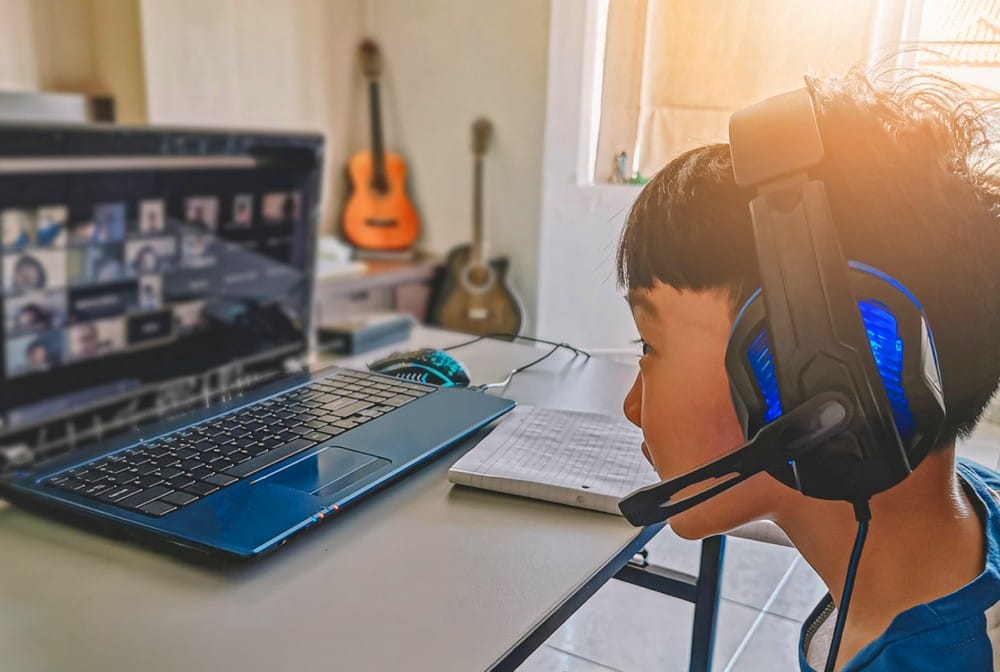
Screens are part of everyday life, but they don’t have to be the enemy. The secret is using screen time intentionally—choosing interactive, skill-building content over passive scrolling or videos.
There are countless educational activities for elementary students and older kids online that blend learning and fun, from virtual art tutorials and coding games to digital flashcards and math challenges.
When selecting digital resources, look for ones that:
- Encourage active participation rather than just watching.
- Match your child’s age and skill level.
- Reinforce what they’re learning in school.
And remember: Quality matters more than quantity. Setting limits on screen time while making sure it’s purposeful helps prevent burnout and keeps kids excited to learn.
Lean on Trusted Resources
As a busy parent, you don’t need more ideas—you need the right ones. The internet is full of inspiration, but it can also feel like a maze of half-finished projects, conflicting advice, and activities that take more setup than your child spends doing them.
That’s where the Strider Activity Hub comes in.
Designed with busy families in mind, the Strider Activity Hub is a one-stop resource filled with ready-to-use, age-appropriate activities that make it easy to keep kids learning at home. Whether you’re looking for after-school learning activities, quick weekend projects, or school break activities for kids, you’ll find lots to explore.
Each activity is designed to be doable with everyday materials—no complicated setup, no endless searching. Just practical, engaging learning activities for busy parents who want to make the most of family time.
Another great way to keep kids inspired is to encourage them to share their creativity through fun contests. Opportunities like the K12 Writing Competition or the Innovation Challenge give students a chance to express themselves, practice goal setting, and take pride in their work. Whether they love writing stories, performing, or creating art, contests can turn learning into something exciting and rewarding.
Where Fun and Learning Meet
Keeping kids engaged at home doesn’t have to feel like another task on your to-do list. With a few simple routines, a touch of creativity, and reliable tools like the Strider Activity Hub, you can help your child practice skills, explore new interests, and have fun while learning—no matter how busy life gets.
So next time you’re looking for an easy way to sneak learning into your day, skip the endless search and head straight to a resource built just for parents like you. Explore the Strider Activity Hub and discover a bounty of educational activities for kids at home—each designed to fit real family life.