 About Us
 Why K12?
 Safety Needs
 How Students Succeed
 FAQs
FAQs Online Elementary School
 Online Middle School
 Career and College Prep
 Online High School
 Student Clubs
 Career and College Services
 Inside the Online Classroom
 A Day in the Life
 Social & Extracurricular
 Advice, Tips & Inspiration
 Benefits for Life
 Enroll
 All School Options
 Need More Help?
First Day Jitters Activities to Ease Back-to-School Anxiety
Discover creative first day jitters activities including jitter juice, worry jars, and emotion crafts to help ease your child's back-to-school anxiety.
Table of Contents
First day jitters activities help elementary students manage back-to-school anxiety with hands-on tools. These activities connect to the beloved children’s book First Day Jitters by Julie Danneberg and include creative crafts, sensory experiences, and reflective exercises that normalize nervousness and build confidence for the school year ahead.
What are first day jitters activities?
First day jitters activities are educational tools designed to help elementary students cope with back-to-school anxiety. These activities get their name from the popular children’s book First Day Jitters by Julie Danneberg, which tells the story of Sarah Jane Hartwell — who turns out to be a nervous teacher, not a student.
The book’s surprise ending delivers a powerful message: Everyone experiences first-day nervousness, even adults. This realization helps children understand their feelings are normal and shared by others.
Activities fall into two main categories:
- Creative and tactile activities: Hands-on crafts like Jitter Juice, bead bracelets, and sensory jars that give children something tangible to create and use
- Writing and reflection activities: Journaling prompts, worry jars, and affirmation poems that help children process emotions through words
Each activity gives children a concrete way to address their worries while having fun and building emotional vocabulary.
Tasty and Creative Ideas
The Famous Jitter Juice Recipe
Jitter Juice is the most popular first-day jitters activity. This simple, fizzy drink transforms anxiety into a fun science experiment that children can control.
Basic ingredients:
- Equal parts lemon-lime soda and fruit punch
- Colorful sprinkles or edible glitter (the “magic ingredient”)
- Clear plastic cups for observing the fizzy reaction
- Optional: a scoop of lime or raspberry sorbet for extra fun
Step-by-step instructions:
- Pour fruit punch into a clear cup so your child can see the color
- Slowly add lemon-lime soda and watch the bubbles swirl together
- Have your child sprinkle in the “magic ingredient” to chase away worries
- Stir together while reciting: “I have the jitters, my tummy feels tight, but this magic juice will make it alright”
- Sip and enjoy before heading to school
Jitter Juice works because it creates a comforting ritual and gives children a sense of control. The sensory experience — hearing the fizz, seeing the colors swirl, tasting the sweetness — grounds children in the present moment and helps calm the nervous system.
Bead Crafts and Magic Bracelets
Worry bead bracelets give children a tactile tool they can use throughout the school day. These simple bracelets provide calming sensory input when touched or manipulated.
How to make worry bead bracelets:
- Use stretch cord or elastic string and 6–8mm beads
- Let children choose bead colors and textures that appeal to them
- String beads onto the cord, leaving space at each end for tying
- Tie securely with a square knot and seal with a drop of super glue
UV-reactive beads that change color in sunlight add extra magic. Textured beads with ridges or bumps provide more sensory feedback for children who need stronger tactile input.
Teach children to touch their bracelet when they feel nervous, take three deep breaths, and remember they are safe and loved. This creates an automatic coping response they can use anytime.
Jitter Glitter and Sensory Activities
Jitter Glitter provides a comforting bedtime ritual the night before school. Give children small bags of glitter to tuck under their pillows with a poem suggesting the glitter will magically chase away worries.
Calming jars offer another sensory option. Fill a clear jar with water, glitter, and a drop of dish soap. When shaken, the swirling glitter represents anxious feelings. As children watch the glitter slowly settle, they see how their big feelings will settle too with time and support.
Writing and Reflection Activities
Emotion Prompts and Journaling
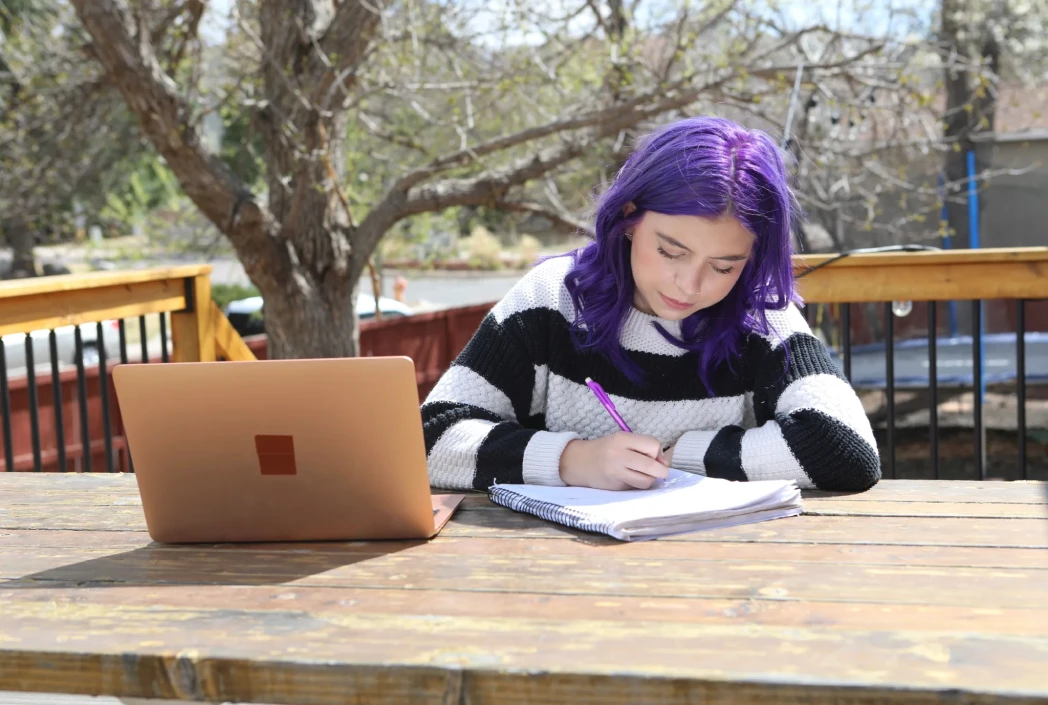
Journaling helps children process anxiety by giving feelings somewhere to go instead of staying stuck in their minds. Writing activities work especially well for children who struggle to talk about emotions out loud.
Effective emotion prompts for first day jitters:
- When I think about school, I feel …
- Something I’m excited about this year is …
- One thing I’m nervous about is …
- When I feel worried, I can …
- A person who makes me feel safe is …
- I feel brave when …
For young writers, sentence starters provide essential scaffolding. Children can complete prompts with just a few words, a drawing, or both. The goal is expression, not perfection.
Journaling helps children identify what triggers their anxiety and what helps them feel better. This pattern recognition builds problem-solving skills and emotional awareness.
Worry Jars and Jitter Jars
Worry jars give children a physical way to contain anxious thoughts. Students write their worries on small pieces of paper, crumple them up, and seal them in a jar.
This activity works because it externalizes anxiety. The physical act of writing down worries and putting them away helps children feel they’ve gotten anxious thoughts out of their heads so they can focus on positive things.
Teachers can create a class worry jar where students anonymously share concerns. Reading these worries together shows children that everyone has similar fears, which normalizes anxiety and builds classroom community.
“I Am” Poems and Affirmations
“I Am” poems provide a structured framework for personal expression and confidence building. Students complete sentence starters that help them introduce themselves while practicing self-reflection.
Basic “I Am” poem structure:
- I am … (two describing words)
- I wonder … (something you’re curious about)
- I hear … (a sound you like)
- I see … (something you notice)
- I want … (a hope or goal)
- I am … (repeat the first line)
This activity helps students focus on their strengths and interests rather than their worries. When children articulate positive things about themselves, it builds confidence for facing new challenges.
Interactive Read-Aloud Strategies for First Day Jitters
Reading First Day Jitters aloud is most effective when you make it interactive and engaging.
Before reading: Ask students what “jitters” means and when they’ve felt nervous. Look at the cover together and predict what the story will be about. This activates prior knowledge and builds anticipation.
During reading: Use expressive voices for different characters. Stop at key moments to ask questions like “What clues show Sarah is nervous?” or “Who do you think Sarah is?” Have students turn and talk with partners to share their predictions.
The twist ending: Build suspense as you approach the final pages. When you reveal that Sarah is the teacher, not a student, pause to let the surprise sink in. Then discuss: “Why was Sarah nervous even though she’s a teacher?”
After reading: Ask deeper questions like “What does this story teach us about facing our fears?” Help students understand that everyone gets nervous about new things, and that’s okay.
Follow-up activities might include writing letters introducing themselves to their teacher, creating character trait charts analyzing Sarah’s emotions, or writing their own stories with surprise endings.
Turning Jitters Into Excitement
First day jitters are a normal part of starting school. The activities in this guide help children understand that others share their feelings — even teachers. By providing concrete tools like Jitter Juice, magic bracelets, and worry jars, you give children ways to manage anxiety that they can understand and control.
The key is balancing acknowledgment of real feelings with fun, engaging activities. When children see that nervousness is normal and temporary, they develop confidence to face new challenges. These activities don’t just ease first-day anxiety — they teach lifelong skills for managing emotions and embracing change.
As you prepare for the school year ahead, remember that a little nervousness shows your child cares about doing well. With the right support and activities, those jitters can transform into excitement and anticipation for all the learning and growth to come. If you’re considering a learning environment that offers personalized support for your child’s unique needs, explore the options available in your area.
Find a K12-powered school near you and discover how online learning programs can support your child’s emotional wellness and academic success.