 About Us
 Why K12?
 Safety Needs
 How Students Succeed
 FAQs
FAQs Online Elementary School
 Online Middle School
 Career and College Prep
 Online High School
 Student Clubs
 Career and College Services
 Inside the Online Classroom
 A Day in the Life
 Social & Extracurricular
 Advice, Tips & Inspiration
 Benefits for Life
 Enroll
 All School Options
 Need More Help?
End of Summer Activities for the Whole Family
Celebrate summer's final days with fun family activities. Enjoy outdoor adventures, prep for back-to-school & savor every moment before school starts.

Table of Contents
As summer winds down, families often feel a mix of emotions. The lazy days are ending, but there’s still time to create lasting memories. The final weeks of summer offer a perfect opportunity to squeeze in meaningful activities that balance fun with school preparation.
Whether you’re looking for outdoor adventures, creative projects, or ways to help your child transition back to school, these end-of-summer activities will help you make the most of the remaining days.
Outdoor Adventures and Fun Things to Do in the Summer Sun
Outdoor activities provide crucial benefits for children’s physical health, mental well-being, and social development. School-aged children need approximately three hours of outdoor play daily for optimal health.
Active Outdoor Activities
Water activities remain the quintessential summer experience. Consider these options for all ages:
- Water balloon fights for quick, energetic fun
- Splash pad visits for younger children
- Pool time with games and challenges
- Backyard sprinkler runs on hot afternoons
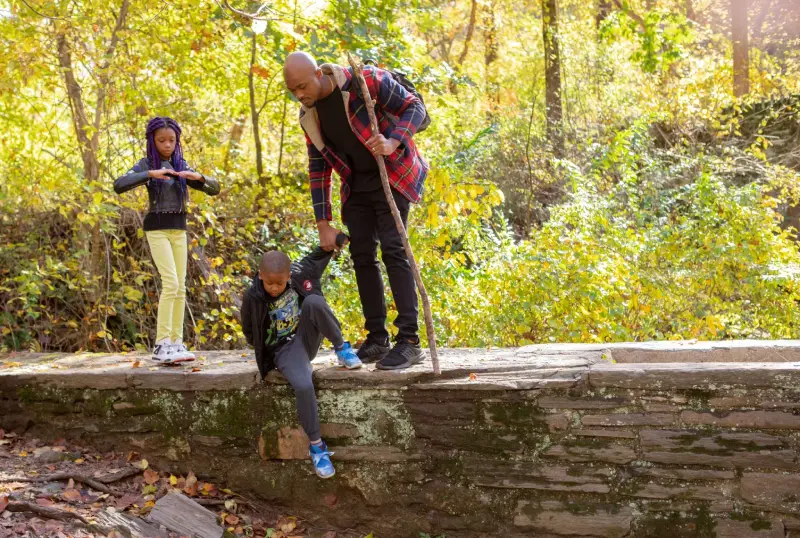
For families seeking more adventure, camping provides opportunities for storytelling around campfires and connecting with nature. Even a backyard campout creates memorable experiences without the commitment of traveling.
Nature hikes work well when tailored to your child’s age:
- Elementary students: Shorter trails with interesting features like streams or rocks to climb
- Middle schoolers: Longer trails with steeper terrain and navigation challenges
- High school teens: Summit hikes or trails requiring map reading skills
Classic neighborhood games encourage physical fitness while building community connections:
- Capture the flag
- Kickball tournaments
- Flashlight tag after sunset
- Backyard obstacle courses with creative challenges
Outdoor and Evening Ideas
Not every activity needs high energy. These calmer options still provide outdoor benefits:
- Outdoor movie nights: Transform your backyard into a theater with a projector and white sheet
- Picnics: Turn ordinary meals into special occasions in your yard or at your local park
- Stargazing: Peaceful outdoor time that appeals to curious minds, especially during meteor showers
- Farmers markets: Combine outdoor time with community engagement and education about local food systems
Educational Projects
Creative projects help children maintain academic skills while having fun. These activities prevent summer learning loss without feeling like schoolwork.
Summer Journals and Memory-Keeping:
- Start with a summer bucket list of the top three things to do
- Use notebooks with space for both drawing and writing
- Add photos with instant cameras or portable printers
- Include creative writing prompts on quieter days
- Make journaling part of a consistent daily routine
Age-Appropriate Art Projects:
- Elementary students: Nature collages, friendship bracelets, personalized bookmarks
- Middle schoolers: Comic books, jewelry making, mixed media art
- High schoolers: Graphic design, fashion design, advanced painting techniques
Museum Visits and Cultural Experiences:
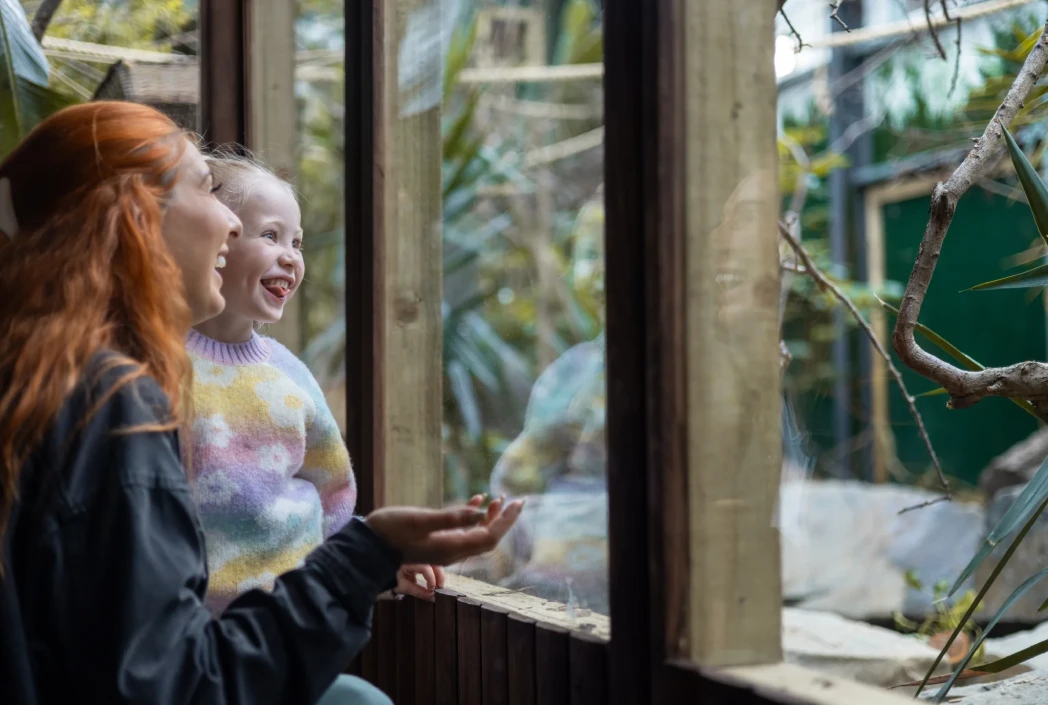
Museums serve as trusted, family-friendly attractions that inspire genuine love of learning. Consider these options:
- Children’s museums with interactive exhibits
- Science centers with hands-on demonstrations
- Zoos and aquariums for animal education
- Botanical gardens for nature exploration
- History museums with family programs
Many institutions provide free or low-cost admission days specifically for families.
Reading Together:
Summer reading prevents the loss of literacy skills. Try these approaches:
- Create outdoor reading picnics
- Join library summer reading programs
- Start a family book club
- Allow children to choose their own reading materials
Learning New Skills:
Summer’s slower pace creates ideal conditions for learning new skills. Cooking combines math, reading, and creativity while building practical life skills. Children learn measurements, timing, and organization while creating something they can immediately enjoy.
Other valuable skills to explore include:
- Music lessons or practice
- World language basics
- Coding and computer skills
- Gardening and plant care
For families looking to prevent summer learning loss year after year, online learning programs offer personalized education that adapts to your child’s pace and schedule throughout the entire year.
Social Activities and Friend Time
Social connections before school starts help children develop crucial skills and reduce anxiety about the new school year. Friendships positively impact academic performance, emotional well-being, and overall school experience.
Block Parties and Neighborhood Gatherings
Block parties bring neighbors together for fun and community building. Popular activities include:
- Field day games with relay races and competitions
- Neighborhood scavenger hunts
- Chalk art festivals on sidewalks and driveways
- Outdoor movie screenings for all ages
These events help children reconnect with school friends and make new neighborhood connections.
Age-Appropriate Social Activities
Elementary students benefit from structured playdates with cooperative games and adult guidance. Activities should last two to three hours and include:
- Board games and puzzles
- Outdoor play with supervision
- Craft projects they can complete together
- Snack time for social interaction
Middle schoolers prefer “hangouts” that respect their growing independence:
- Movie nights at home or theaters
- Sleepovers with planned activities
- Group outings to local attractions
- Sports activities or games
High school students need social gatherings that acknowledge their near-adult status:
- Group outings to restaurants or cafes
- House parties with clear expectations
- Community volunteer activities
- Sports leagues or recreational activities
Pool Parties and Water Events
Pool parties rank among the most popular end-of-summer social events. Include these activities:
- Marco Polo and other classic pool games
- Water volleyball tournaments
- Diving contests with judges
- Poolside movies or BBQ cookouts
- Float races and relay competitions
Time Capsules and Memory-Making
Creating time capsules with friends captures moments in time while teaching children how to document important events. Include:
- Favorite photos from summer adventures
- Drawings or artwork created together
- Letters to future selves
- Playlists of current favorite songs
- Small mementos from summer activities
Plan to open capsules at the start of next summer for a meaningful tradition.
Transition Activities to Prepare for School
The final weeks of summer present valuable opportunities to help children transition smoothly back to school through intentional preparation.
School Visits and Orientation:
- Attend scheduled orientations and open house events
- Walk through hallways to build familiarity
- Locate the classroom, bathrooms, and cafeteria
- Meet teachers if possible
- Practice the route to school
This familiarity reduces first-day anxiety significantly.
School Supply Shopping:
Involve children directly in selecting supplies. When children choose items in their favorite colors or featuring characters they love, they develop a sense of investment in the upcoming school year.
- Review the supply list together
- Let children pick colors and designs
- Organize supplies at home
- Label items with your child’s name
- Discuss how supplies will be used
Sleep Schedule Adjustments:
Begin adjusting sleep schedules one to two weeks before school starts:
- Move bedtime earlier by 15 minutes every few days
- Adjust wake time gradually to match school schedules
- Establish calming bedtime routines
- Include warm baths and reading together
- Avoid screens for at least one hour before bed
Setting Up Homework Stations:
Create dedicated study spaces that help children focus better and stay organized. Even small spaces work well with fold-up desks or corner arrangements. Include:
- Comfortable seating at appropriate height
- Good lighting for reading and writing
- Storage for supplies and materials
- Personal items that motivate your child
- Minimal distractions from other activities
For families seeking public school programs that allow learning from home with structured support, K12-powered schools offer tuition-free options with state-certified teachers and personalized learning plans.
Goal-Setting Discussions:
Let children choose their own goals for the school year. Keep goals small, specific, and achievable:
- Academic goals: Improve in a specific subject or skill
- Social goals: Make new friends or join a club
- Personal development: Try something new or build confidence
- Organizational skills: Keep track of assignments or manage time better
Some families choose a monthly “focus word” that represents their child’s intention.
Easing Back-to-School Anxiety:
Normalize mixed feelings about returning to school. Try these strategies:
- Create opportunities for open conversations about worries
- Teach coping strategies like deep breathing
- Practice positive self-talk together
- Use visualization techniques for success
- Remind children that the first few days might feel hard, but it gets easier
Creating Meaningful End-of-Summer Memories
As summer draws to a close, remember that quality matters more than quantity. You don’t need to pack every day with elaborate activities. Simple experiences often create the most meaningful memories.
Focus on what works for your family’s dynamics, interests, and schedule. Balance fun adventures with practical school preparation. The goal is to help your child feel excited and confident about the upcoming school year while cherishing the final days of summer freedom.
By combining outdoor activities, creative projects, social connections, and thoughtful preparation, you’re setting your child up for success. These end-of-summer activities create lasting memories while building the confidence and skills children need to thrive in the school year ahead.
As you consider your options for the remaining weeks of summer and the upcoming school year, explore online learning enrollment options that support your child’s unique learning style and interests with personalized education programs designed to help every student succeed.