 About Us
 Why K12?
 Safety Needs
 How Students Succeed
 FAQs
 Online Elementary School
 Online Middle School
 Career and College Prep
 Online High School
 Student Clubs
 Career and College Services

 Inside the Online Classroom
 A Day in the Life
 Social & Extracurricular
 Advice, Tips & Inspiration
 Benefits for Life

 Enroll
 All School Options
 Need More Help?
5 Science Experiments Using the Five Senses for Students
Help your child build observation skills with hands-on science experiments using the five senses. Try the activities together and make science at home fun!
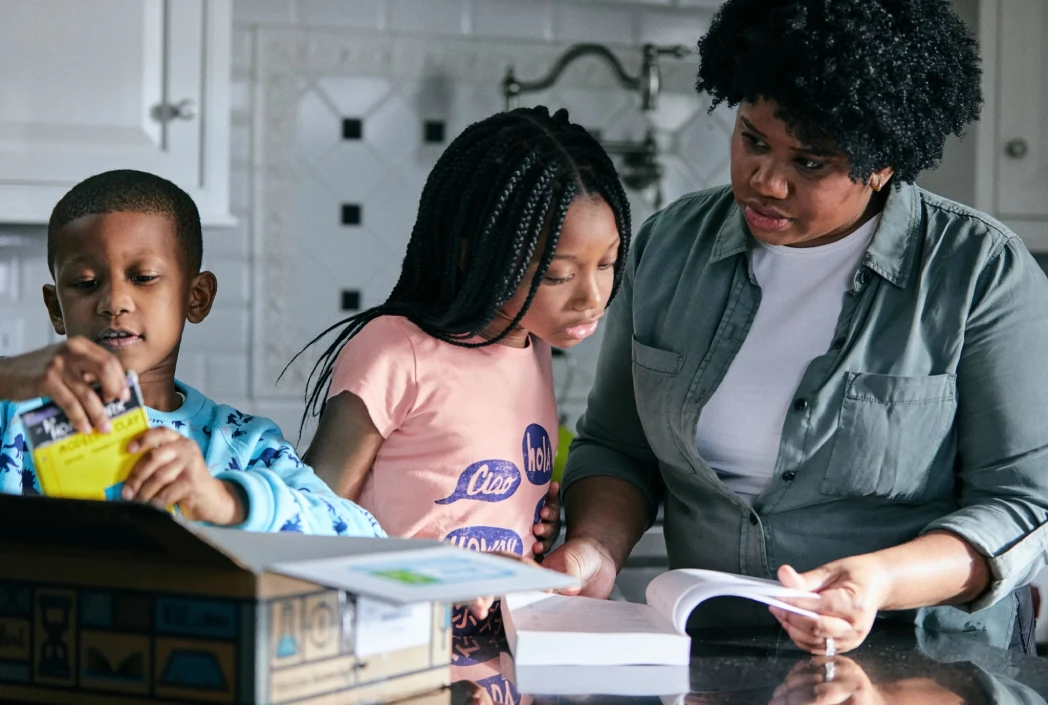
Table of Contents
Hands-on learning keeps children actively engaged while building critical observation skills. When students use their five senses to explore the world around them, they practice the scientific method. Observation is the first step in scientific inquiry. These sensory experiments teach children to notice details, ask questions, and draw conclusions based on evidence, skills essential for STEM-based careers.
The five experiments below engage sight, hearing, smell, taste, and touch. Each activity includes complete materials lists and step-by-step instructions, making them perfect for classroom learning or science fair projects.
Experiment 1: Sound Shakers (Sense of Hearing)
Materials and Setup
You’ll need:
- Empty plastic containers with lids
- Various filling materials
- Rice
- Beans
- Pasta
- Sand
- Paper clips
- Cotton balls.
- Labels or markers to number containers
Step-by-Step Instructions
Fill pairs of containers with identical materials to create matching sound shakers. Seal containers and number them randomly. Children shake each container and listen carefully to the sounds produced. They match containers that sound the same and predict what’s inside based on pitch, volume, and rhythm. After making predictions, open containers to check answers and discuss why different materials create different sounds.
What Children Learn
Children develop auditory discrimination by identifying subtle differences in pitch and volume. They learn that sound comes from vibrations, heavier materials produce lower-pitched sounds, and lighter materials produce higher-pitched sounds. This experiment teaches careful listening and how to use hearing as a scientific observation tool.
Experiment 2: Glitter Germ Experiment (Sense of Sight)
Materials and Setup
You’ll need:
- Fine glitter
- Hand soap
- Water
- Paper towels
- Shallow dishes or bowls
- Lotion or cooking oil to help glitter stick to hands
Step-by-Step Instructions
Apply a small amount of glitter to each child’s hands, spreading it across palms and fingers. The glitter represents germs that spread easily but are normally invisible. Have children try different cleaning methods:
- Rinsing with water only
- Washing with hand soap for 10 seconds
- Washing with soap for 20 seconds
- Wiping with dry paper towels
After each method, children observe visually how much glitter remains on their hands and record their observations.
What Children Learn
This experiment teaches visual observation skills as children track where glitter spreads and compare cleaning effectiveness. They learn that germs transfer easily between surfaces, water alone doesn’t remove germs effectively, and proper handwashing with soap for at least 20 seconds is necessary for hygiene. The visual nature of glitter makes invisible concepts concrete and memorable.
Experiment 3: Mystery Smells (Sense of Smell)
Materials and Setup
You’ll need:
- Small containers with lids
- Cotton balls
- Recording sheets for student predictions
- Various scented items
- Vanilla extract
- Lemon juice
- Cinnamon
- Coffee grounds
- Peppermint extract
- Vinegar
- Orange peels
Step-by-Step Instructions
Place a cotton ball soaked in extract, or a small amount of scented item, in each numbered container. Children smell each container without looking inside and record their guesses on prediction sheets. They describe each smell using descriptive words like sweet, sharp, earthy, or fresh. After all predictions are made, reveal the contents and discuss which smells were easiest to identify and why.
What Children Learn
This experiment teaches olfactory discrimination, the ability to distinguish between different smells. Children discover that smell is a powerful sense that can trigger memories and help identify objects without seeing them. They learn to use precise, scientific language to describe sensory experiences and understand that people may perceive the same smell differently.
Experiment 4: Taste Testing Science (Sense of Taste)
Materials and Setup
You’ll need:
- Small samples of foods representing five basic tastes
- sweet (sugar or honey)
- salty (pretzels or crackers)
- sour (lemon juice or pickles)
- bitter (unsweetened cocoa or dark chocolate)
- umami (Parmesan cheese or soy sauce)
You’ll need small cups, spoons, water for rinsing, and recording sheets. Check for food allergies before beginning.
Step-by-Step Instructions
Have children taste each sample one at a time, rinsing with water between tastes. They identify which basic taste category each food belongs to and record observations. Try the experiment again while holding noses closed to demonstrate how smell affects taste perception. Discuss which tastes were easiest to identify and how blocking smell changed the experience.
What Children Learn
Children learn that taste buds detect five basic tastes, smell and taste work together to create flavor, and blocking smell makes foods harder to identify. This experiment demonstrates how multiple senses collaborate and teaches children to isolate variables when conducting scientific observations.
Experiment 5: Mystery Box Touch Challenge (Sense of Touch)
Materials and Setup
You’ll need:
- Cardboard box with a hand-sized hole cut in one side
- Various objects with different textures, temperatures, and shapes
- Good options include:
- Pinecone
- Cotton ball
- Ice cube
- Smooth stone
- Sandpaper
- Feather
- Rubber ball
- Fabric scraps
- Recording sheets for predictions
Step-by-Step Instructions
Place one object in the box at a time. Children reach through the hole without looking and carefully feel the object. They describe what they feel using texture words like rough, smooth, soft, hard, bumpy, or cold. After describing the object, they predict what it is and record their guess. Remove the object to check the answer and discuss which tactile clues helped identify it.
What Children Learn
This experiment teaches children that touch provides information about texture, temperature, shape, and size. They develop vocabulary for describing tactile sensations and learn that careful, systematic exploration yields better observations than quick touching. The activity demonstrates how scientists use touch as a legitimate observation tool.
Continue Learning With More At-Home Science Activities
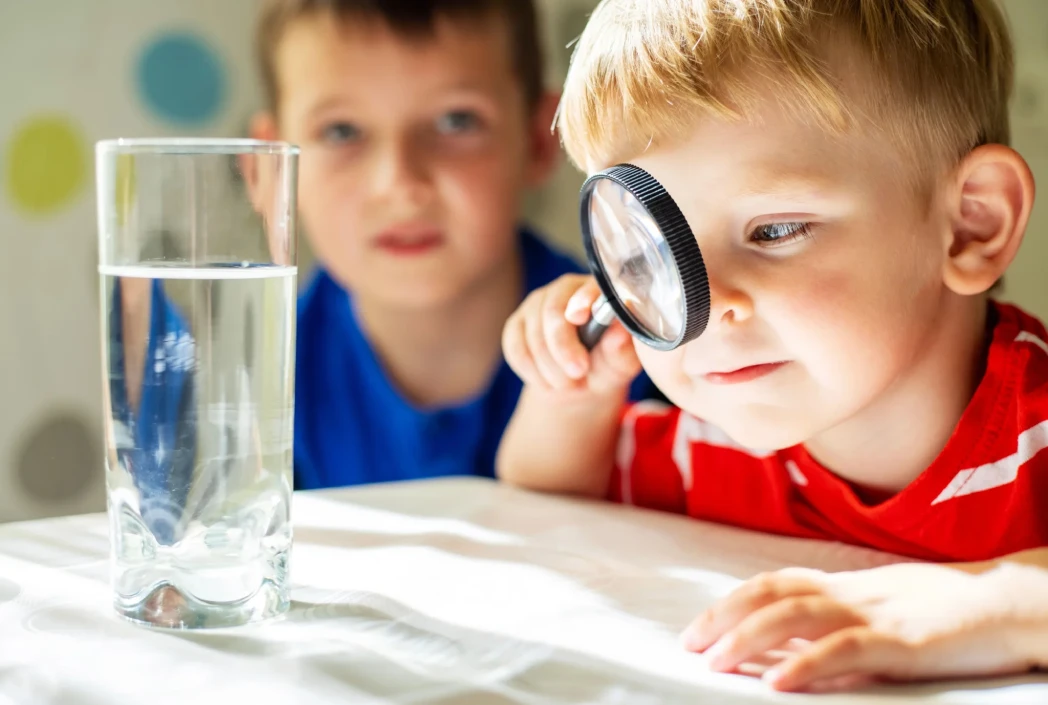
Continue sensory exploration by creating variations of these experiments. Try the glitter experiment with different soap brands, test more mystery smells, or create sound shakers with unusual materials. Encourage children to design their own sensory experiments, asking testable questions and recording observations systematically.
Building Scientific Thinking Through Sensory Exploration
These five experiments show students how their senses can help them explore the world around them and think like scientists. As students use sight, hearing, smell, taste, and touch to make observations, they practice important scientific skills such as noticing details, collecting information, and drawing conclusions based on what they observe.
Hands-on sensory activities can help spark curiosity while building observation and critical-thinking skills.
Looking for more ways to extend your student’s science learning at home? Explore the K12 Learning Hub for more activities and ideas that can make learning engaging beyond the classroom.