

 About Us
 Why K12?
 Safety Needs
 How Students Succeed
 FAQs
FAQs Online Elementary School
 Online Middle School
 Career and College Prep
 Online High School
 Student Clubs
 Career and College Services
 Inside the Online Classroom
 A Day in the Life
 Social & Extracurricular
 Advice, Tips & Inspiration
 Benefits for Life
 Enroll
 All School Options
 Need More Help?
Our Commitment to School Safety: Protecting Students & Their Education
K12-powered online schools remove students from the physical safety risks of a traditional campus — bullying, violence, and peer pressure — while teachers are trained to recognize and respond to mental health and bullying concerns. Resources cover bullying prevention, mental health support, and student socialization, with a zero-tolerance bullying policy across all K12-powered schools.
We believe every student deserves a safe space to learn and grow. With K12, you can feel comfortable knowing your child is safe and supported from the moment you entrust us with their education.
At K12-powered schools, we’re committed to ensuring that every student feels at ease and respected all day, every day—no matter who they are or where they come from.
What Is School Safety?

School safety refers to academic environments and related activities through which students can learn, grow, and interact with their peers while staying safe from violence, bullying, harassment, and the influence of substance use.
Higher levels of school safety are linked to improved student outcomes, with emotional and physical safety directly associated with academic performance. Simply put—when students feel safe, they perform better.1
Like Kendall, a student at a K12-powered school in Virginia, who shared her story of being bullied at her former brick-and-mortar school and how she found respite from these struggles. Ensure your student’s safety and success with an online education option at home.
How Does K12 Prevent Bullying?
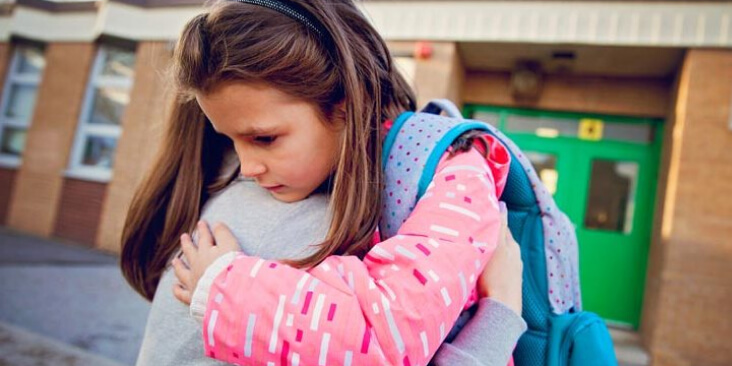
Nearly one in five students report being bullied in school,1 an experience that can profoundly impact their well-being and long-term goals. Bullying can take many forms, including physical altercations, spreading rumors, or online cruelty.
Knowing the signs and preventing bullying are crucial to creating an environment where students feel safe to learn and grow.
K12 is committed to preventing bullying, and we have a zero-tolerance policy. Teachers at K12-powered schools are trained to recognize signs of bullying and take immediate action.
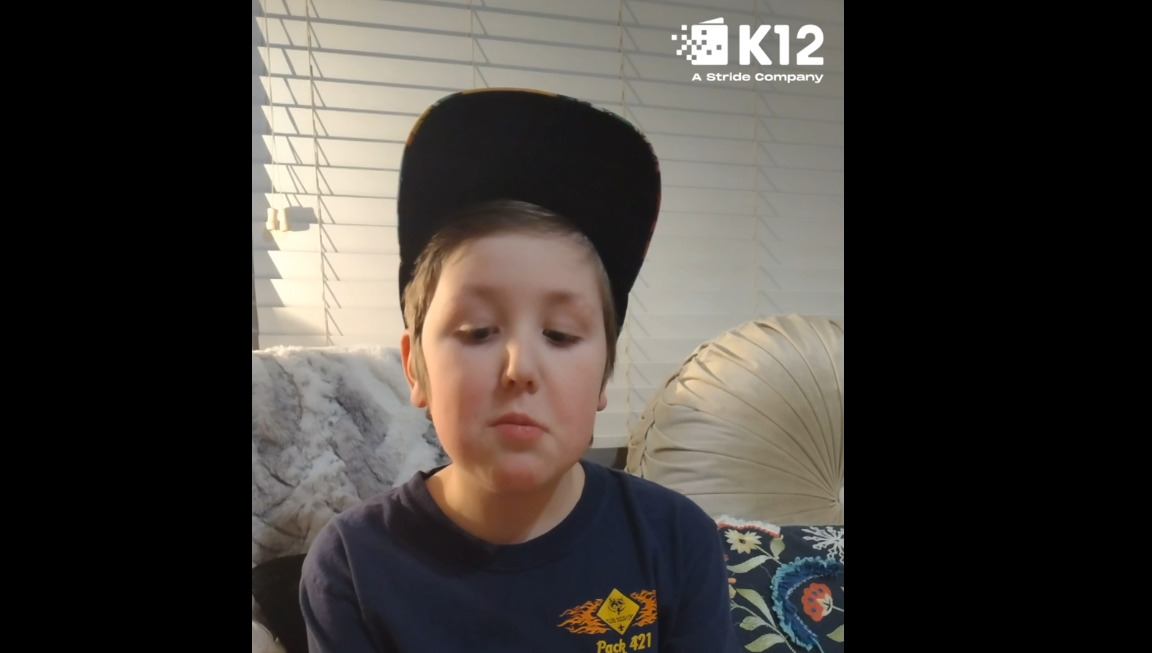
Meet Leo as he talks about the difference a K12-powered education made in his life.

K12 Partners with PACER
K12 is proud to partner with PACER, sharing specialized toolkits and resources with students and school districts to outline critical ways to recognize and respond to bullying. Find the resources you need to feel safe and supported in your school, community, and online. If you or someone you know is struggling with bullying, there is help.
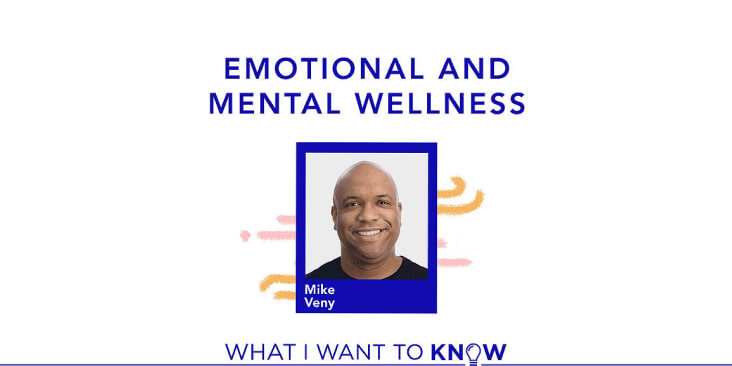
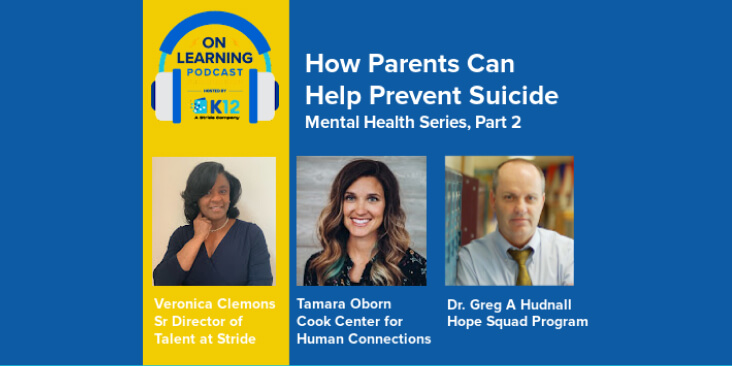
Why Student Mental Health Matters
A student’s mental health can affect their academic performance, and their educational environment can impact their mental health. It’s closely intertwined, meaning supporting students from all angles is important to creating a safe space for productive and effective learning.
Students may be juggling a range of mental health concerns; some may be dealing with lower levels of stress and anxiety, while others may be experiencing a larger tragedy or upheaval in their lives that’s impacting their mental health. How can parents process tragedy while still helping their children cope? Our chief learning officer, Niyoka McCoy, shares her thoughts in Newsweek.
For some students and their families, transitioning to online learning can be a great option for dealing with mental health challenges.
Learn More About Student Mental Health

How Do K12 Students Stay Social and Connected?
Considering an online schooling option to ensure that your student feels safe and at ease in their learning environment doesn’t mean sacrificing on social opportunities. At K12, we know that providing students with opportunities to explore and develop their interests as well as connect with their peers is a critical component of creating a safe and supportive learning atmosphere.
When students feel the freedom to try new things and express themselves, they grow their confidence and sense of self. Students can depend on these qualities as they continue on their educational journey and ultimately enter the professional world.
Learn More About Social Opportunities


How Can You Get Support for Your Child’s Wellbeing Midyear?
Student safety concerns might pop up at any time throughout the school year, but you don’t have to wait to find a solution. If you’re seeking a different learning environment, or you need to make a fast change to their education setup to support your child, K12-powered online schools can help make virtual learning a real possibility, no matter the time of year.
What Does K12 Do to Make Every Student Feel Safe?

For students to learn effectively, they must feel safe enough to open their minds, try new things, and push themselves past their comfort zones. K12-powered schools offer safe learning environments so every student can reach their full potential.
FAQs
Yes. K12-powered online schools remove students from in-person exposure to bullying, harassment, and violence, giving them a structured learning environment with a zero-tolerance bullying policy and teachers trained to recognize and respond to warning signs.
K12-powered schools address mental health as part of overall student safety, recognizing that emotional wellbeing directly affects academic performance, and connect families with resources and support through the Student Safety Center.
Yes. Families can transfer at any point in the school year, not just at the start, so a student dealing with bullying or safety concerns doesn’t have to wait until the next school year to make a change.
1”Safety | National Center on Safe Supportive Learning Environments (NCSSLE).” Home | National Center on Safe Supportive Learning Environments (NCSSLE), https://www.air.org/centers/national-center-safe-supportive-learning-environments-ncssle