
 About Us
 Why K12?
 Safety Needs
 How Students Succeed
 FAQs
FAQs Online Elementary School
 Online Middle School
 Career and College Prep
 Online High School
 Student Clubs
 Career and College Services
 Inside the Online Classroom
 A Day in the Life
 Social & Extracurricular
 Advice, Tips & Inspiration
 Benefits for Life
 Enroll
 All School Options
 Need More Help?
Step From High School Into High-Demand Careers
See if a school near you offers career prep.
Graduate Ready to Take On the Workforce
Students in Career and College Prep turn lessons into life skills with an online curriculum that sets them up to be competitive in the market after graduation. Plus, teens receive guidance tailored to fit their needs and future goals—so they’re ready for the next adventure.
The program is built into the online high school experience. Alongside core courses and requirements, students take career-specific courses, experience career training and internship opportunities, and find community with other students interested in the same areas.
Exciting Industry Clusters to Study

- Agriculture, Food & Natural Resources
- Business Management & Administration
- Criminal Justice & Community Services
- Education & Training
- Engineering & STEM
- Health Sciences
- Hospitality & Tourism
- Information Technology (IT)
- Manufacturing & the Trades
- Marketing
- Visual Arts & Communications
Not sure what industry to try? Students can take the Tallo Career Assessment to learn more about what might be a good fit for their skills, interests, and personality. Then, they can talk to their school counselors about how to align their results with specific school offerings and opportunities. And don’t worry, this map isn’t set in stone. If a career pathway choice doesn’t work out, students can change direction.
Stand Out With a Job-Ready Portfolio & Professional Network
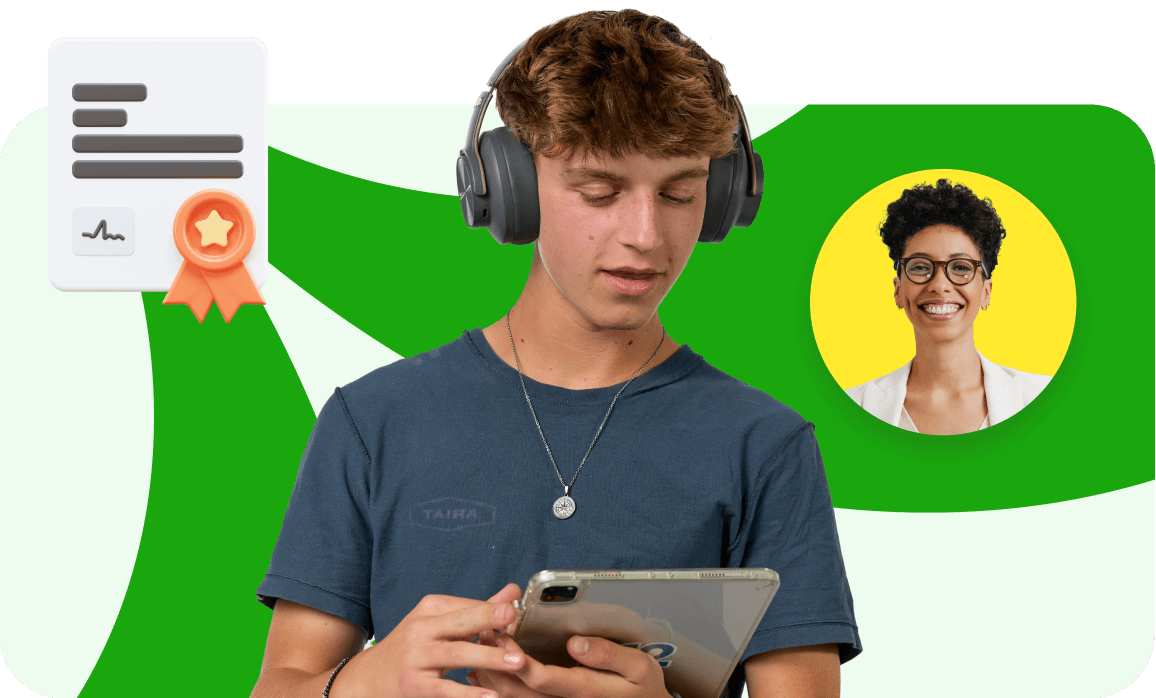
Students create a collection of hands-on projects, credentials, demonstrated leadership, and more to highlight their skills to future employers in their desired industry (or college admissions along the way). They gain knowledge and make industry connections through career-specific courses and clubs like Business Professionals of America, HOSA Future Health Professionals, and SkillsUSA.

Invest in Industry Skills With Certification Exam Prep
Teens build the skills needed for the future they want and show employers they’re ready to work—whether applying for a better job right out of high school or advancing later in a career. Professional credentials help negotiate higher salaries and boost credibility. Students can prepare for exams as part of their online coursework at no additional cost.1
Industry Certification Success Stories

Start a Career Journey Today
Find a school near you that offers Career and College Prep and talk to your teen about the opportunities available to get ready for their exciting future.
Opportunities vary by school; please visit your school page or check with your school counselor. Career and College Prep is primarily a program for high school students, with some exploration components available in middle school. Many Microsoft® Office certificates can be earned after completing one course. Other certificates require more classes to be better prepared, and students who participate in the program for at least two years will have further preparation for certification testing.
1Timing for sufficient exam preparation, necessary prerequisites, and exam fees vary per specific certification. Students should check with their school counselor for details on exam fee coverage opportunities.
*Sarah is a 2025 student at a K12-powered school in CO, and their statement reflects their experience at their school.
**Maxwell is a 2025 student at a K12-powered school in OH, and their statement reflects their experience at their school.
***Herminia is the parent of a 2025 student at a K12-powered school in FL, and their statement reflects their experience at their child’s school.